
A well-known gastroenterologist on TikTok, Dr Saurabh Sethi, has revealed the three foods he always avoids to keep his liver healthy.
And chances are, you eat at least one of them regularly.
Here’s what he steers clear of and why these everyday items might be harming your liver more than you think.
Why the liver is so essential
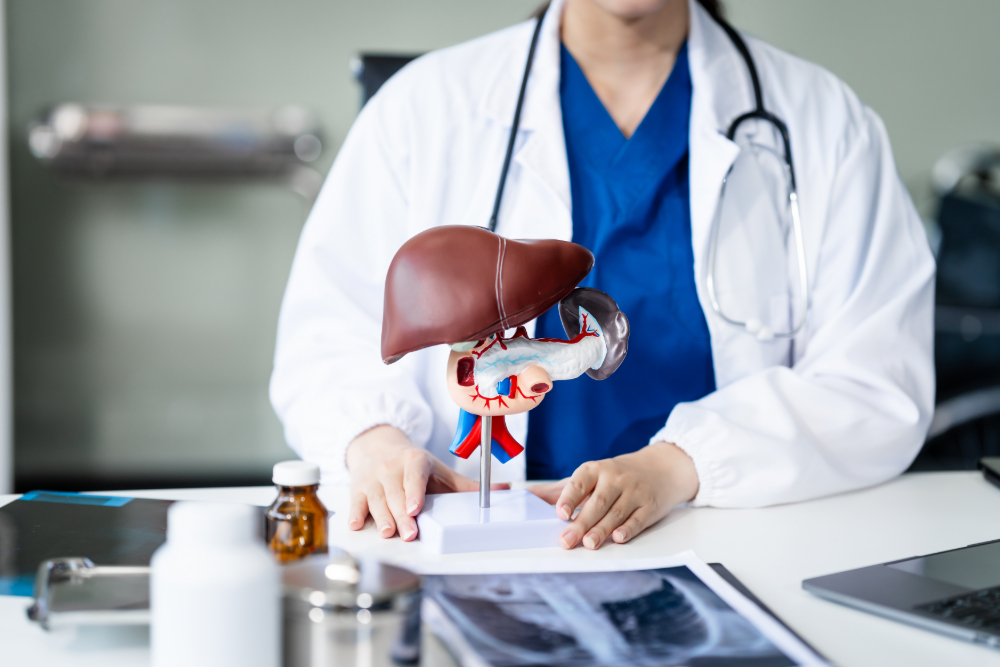
The liver performs critical functions such as filtering toxins, producing bile for digestion, storing nutrients, and regulating blood sugar.
Once damaged, the liver has limited ability to heal — making prevention a key focus.
Fructose
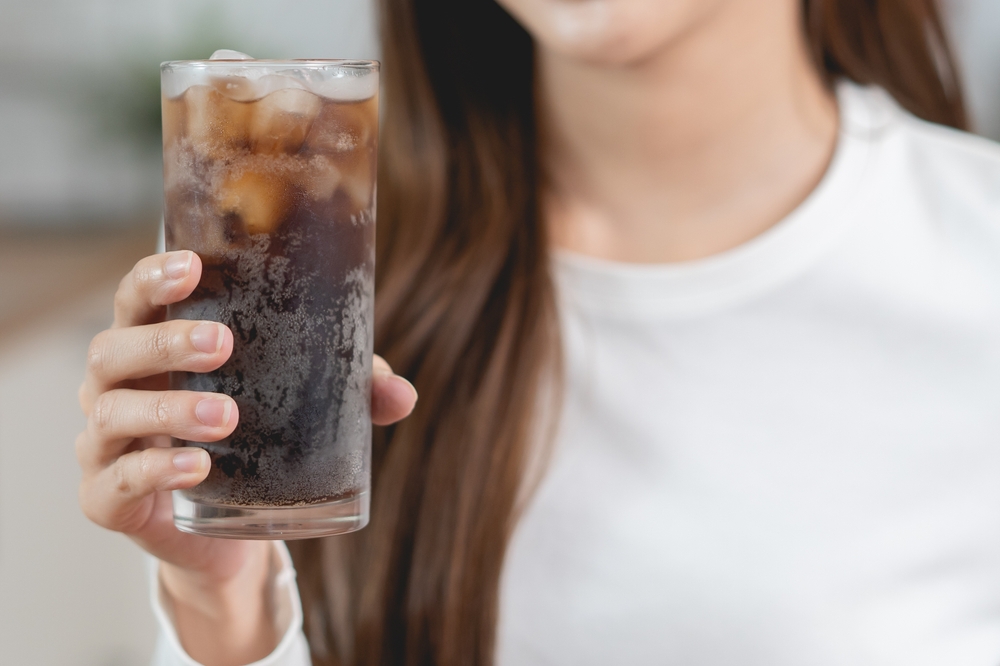
Fructose is commonly found in sugary drinks and processed snacks.
According to Dr. Saurabh Sethi fructose is almost entirely processed by the liver.
Over time, this can lead to fat buildup in the organ, significantly increasing the risk of fatty liver disease.
Fructose damages the gut barrier
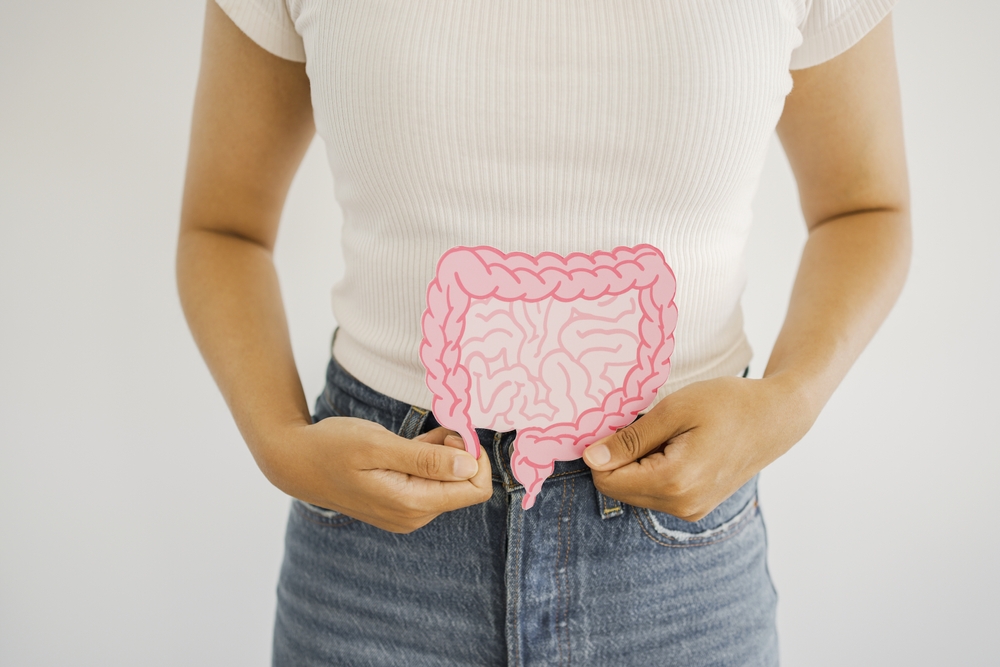
A 2020 study suggested that high fructose intake may damage the intestinal barrier.
When this barrier is compromised, harmful substances can pass through more easily and overload the liver — a process that may lead to inflammation and long-term liver damage.
Most people underestimate the danger of fructose

Because fructose is considered a “natural” sugar, many don’t realize its impact.
But since it’s processed almost solely by the liver, and found in many hidden sources, it’s one of the organ’s biggest threats when consumed excessively.
Industrial seed oils
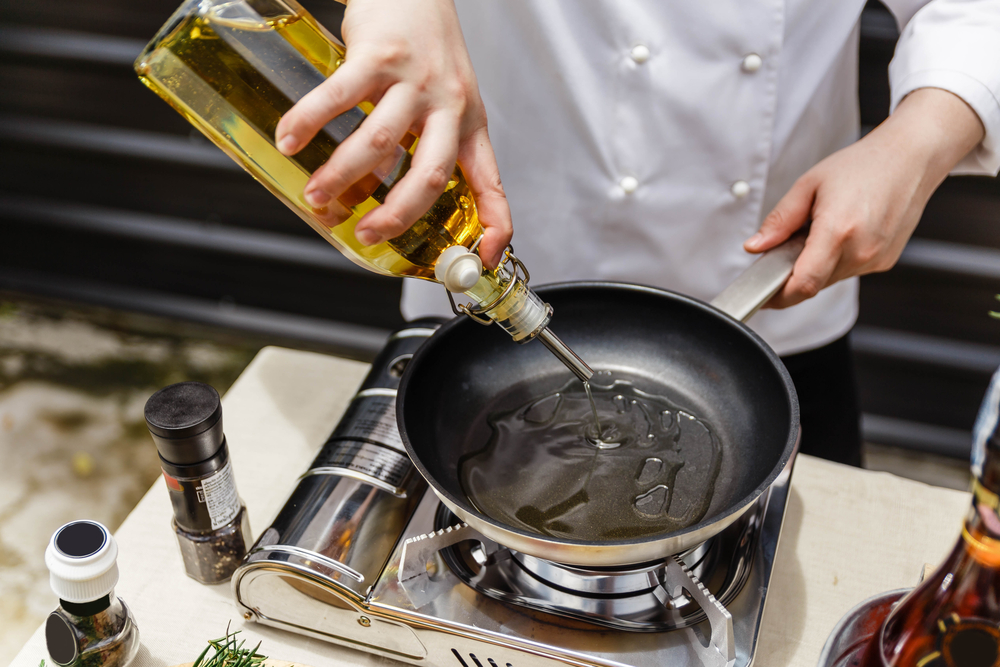
Oils like soybean, corn, and sunflower are high in omega-6 fatty acids.
While these fats aren’t inherently bad, excessive intake can promote inflammation and oxidative stress — two major enemies of liver health, says Dr. Saurabh Sethi.
Heated seed oils are even worse
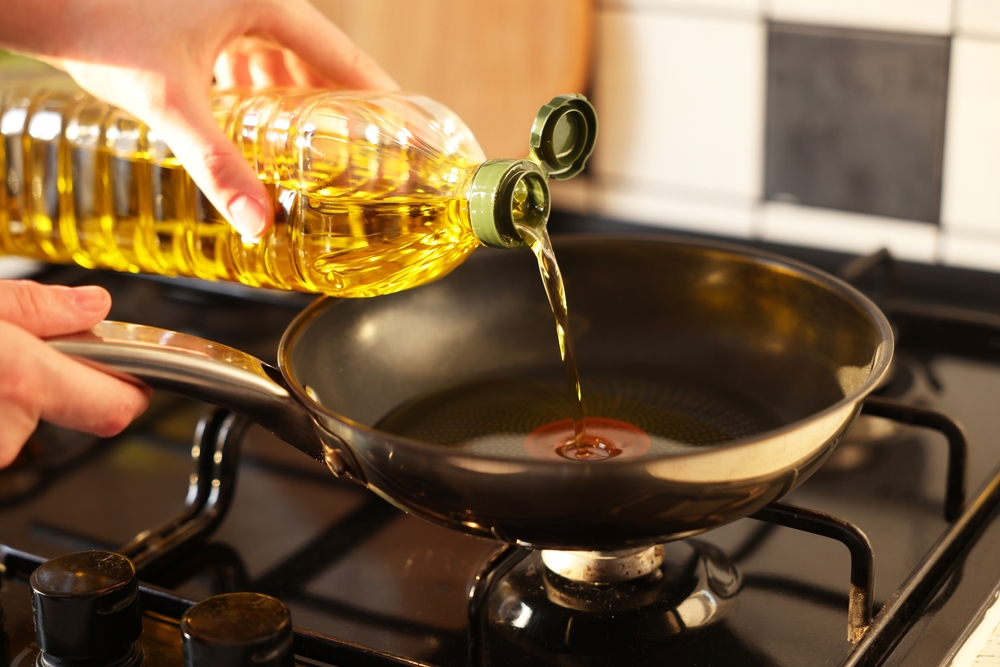
Animal studies have shown that heating these oils can worsen their negative effects.
Heated oils may disrupt lipid metabolism and lead to fat accumulation in the liver, while also contributing to metabolic dysfunction.
Fruit juice
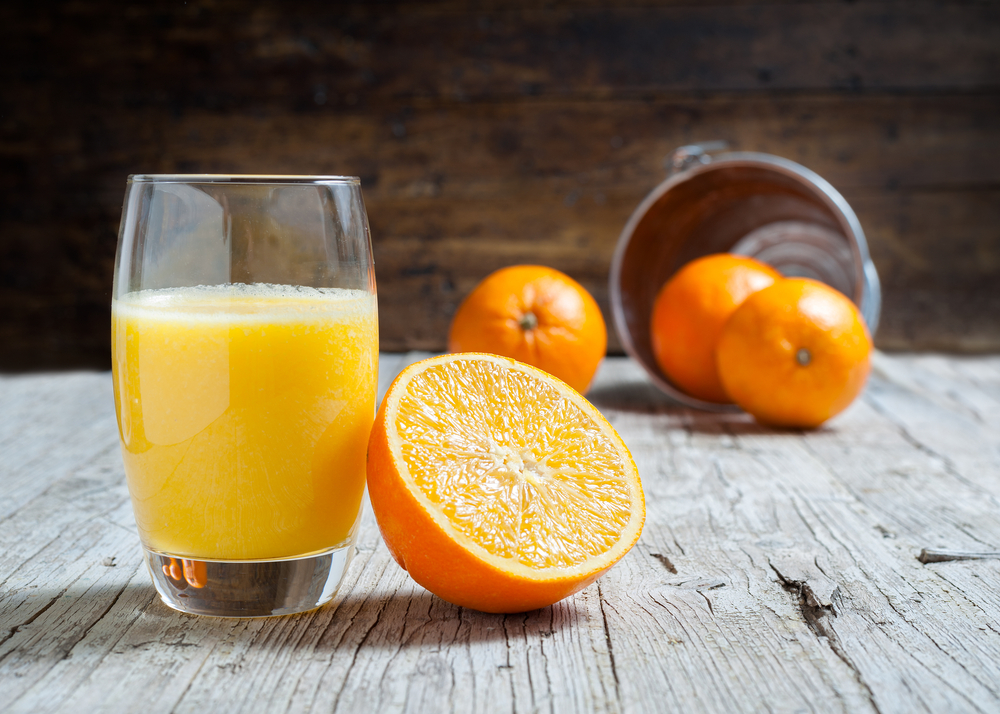
Even 100 percent natural fruit juice isn’t safe, Dr. Saurabh Sethi warns. It lacks fiber and contains high levels of fructose, which causes rapid blood sugar spikes.
These spikes can encourage fat storage in the liver, especially when consumed frequently.
Fruit juice and fatty liver
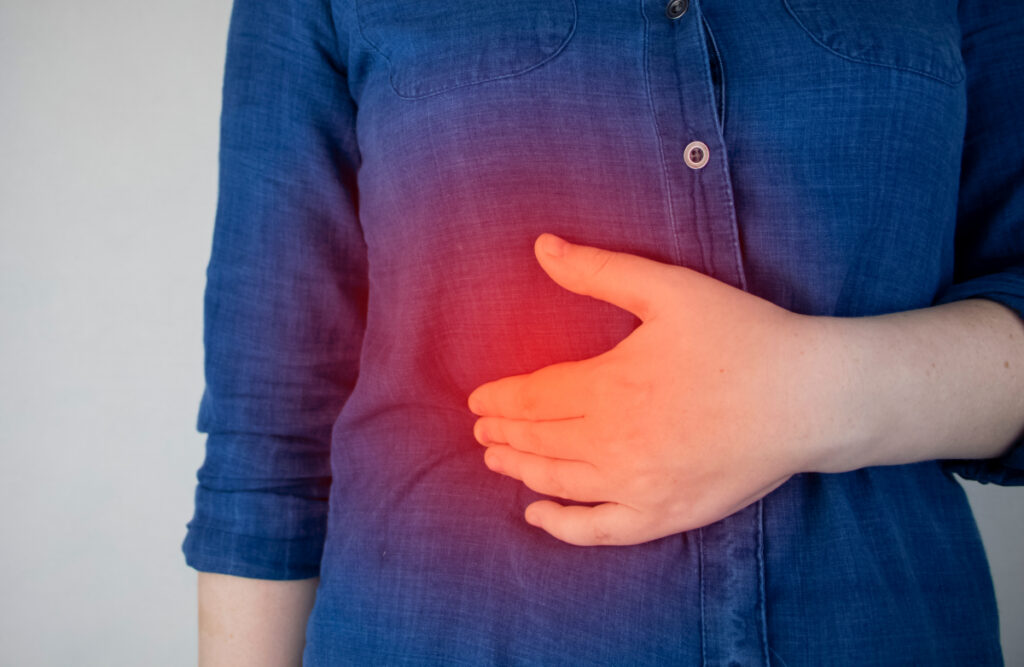
Several studies link excessive fruit juice intake to non-alcoholic fatty liver disease (NAFLD).
The issue lies in the high fructose concentration, which overwhelms the gut and dumps the excess sugar on the liver — where it’s stored as fat.
Liver disease often comes without warning
Many liver conditions develop silently and are only diagnosed in advanced stages.
By cutting back on liver-stressing foods like those listed by Dr. Saurabh Sethi, you can reduce the risk long before any symptoms appear.
It’s how much and how often
Dr. Saurabh Sethi emphasizes that moderation matters.
A small glass of juice or occasional fried food isn’t disastrous, but regular consumption of these liver-offending items can do real harm over time.
This article is based on information from The Sun.
This article is made and published by Ida-Marie Palm Varbæk, who may have used AI in the preparation.