
Walking is a simple yet powerful way to stay fit and improve overall health. The ideal walking speed can vary based on age and personal goals, such as weight loss or cardiovascular health.
This presentation will guide you through the recommendations and provide tips to enhance your walking pace over time.
Why Walking is an Effective Form of Exercise

Walking is a low-impact, accessible activity suitable for people of all ages. It helps improve cardiovascular health, boosts mood, supports weight management, and reduces the risk of chronic diseases. Regular walking can also enhance mobility and balance, especially as we age.
Ideal Walking Speed for People Under 30
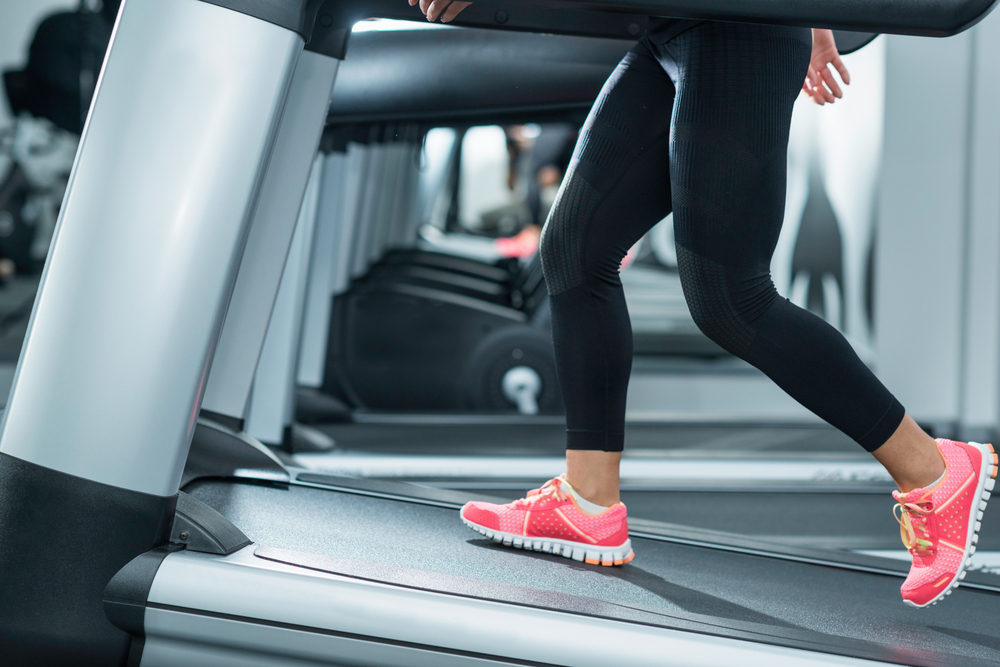
For individuals under 30, the recommended walking speed is 4.82 km/h (3 mph). At this pace, young adults can maximize the cardiovascular and metabolic benefits of walking while maintaining a steady, sustainable rhythm.
Ideal Walking Speed for Ages 30–39

Adults aged 30 to 39 should aim for a walking speed of 4.54 km/h (2.8 mph). This pace supports weight management and heart health, accommodating the natural changes in metabolism and energy levels as we age.
Ideal Walking Speed for Ages 40–49
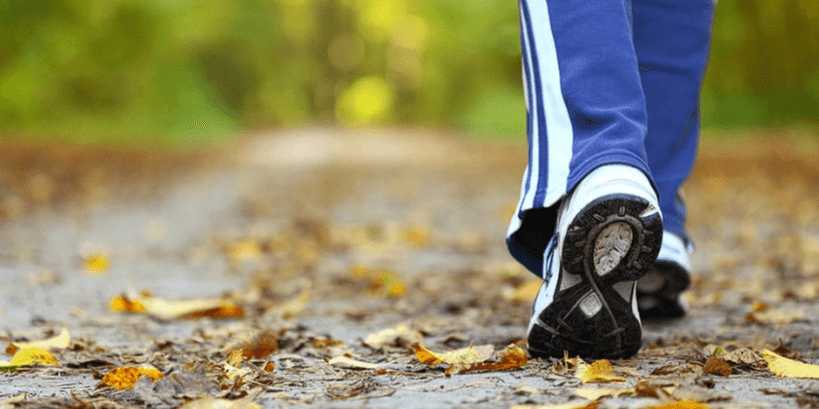
The recommended speed for individuals aged 40 to 49 remains at 4.54 km/h (2.8 mph). Maintaining this pace helps combat the gradual decline in muscle mass and keeps the cardiovascular system active.
Ideal Walking Speed for Ages 50–59
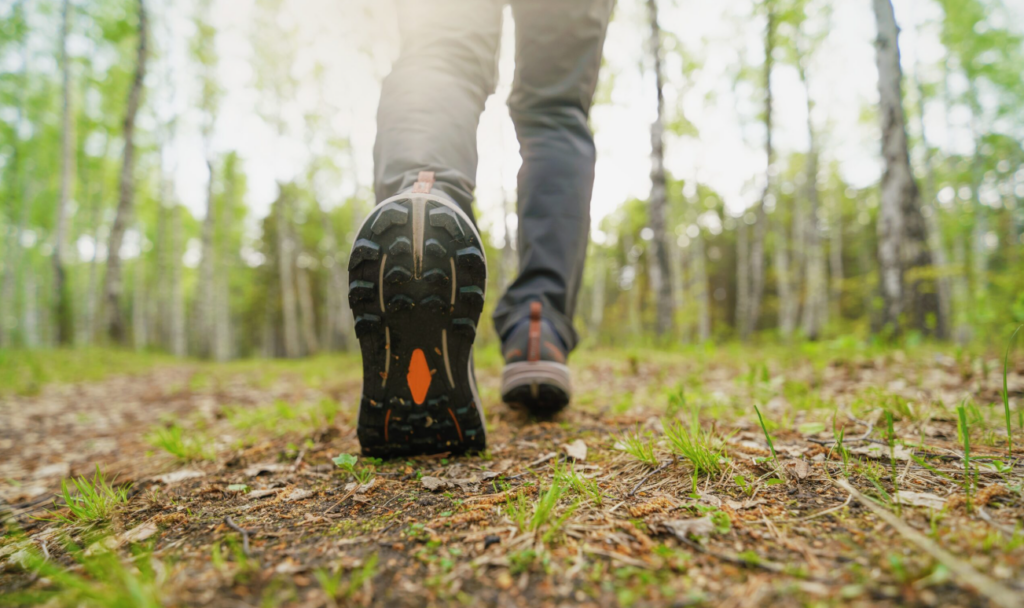
For people aged 50 to 59, the optimal walking speed is slightly lower, at 4.43 km/h (2.75 mph). Walking at this pace balances cardiovascular benefits and joint protection, particularly for those managing arthritis or other mobility concerns.
Ideal Walking Speed for Ages 60 and Above
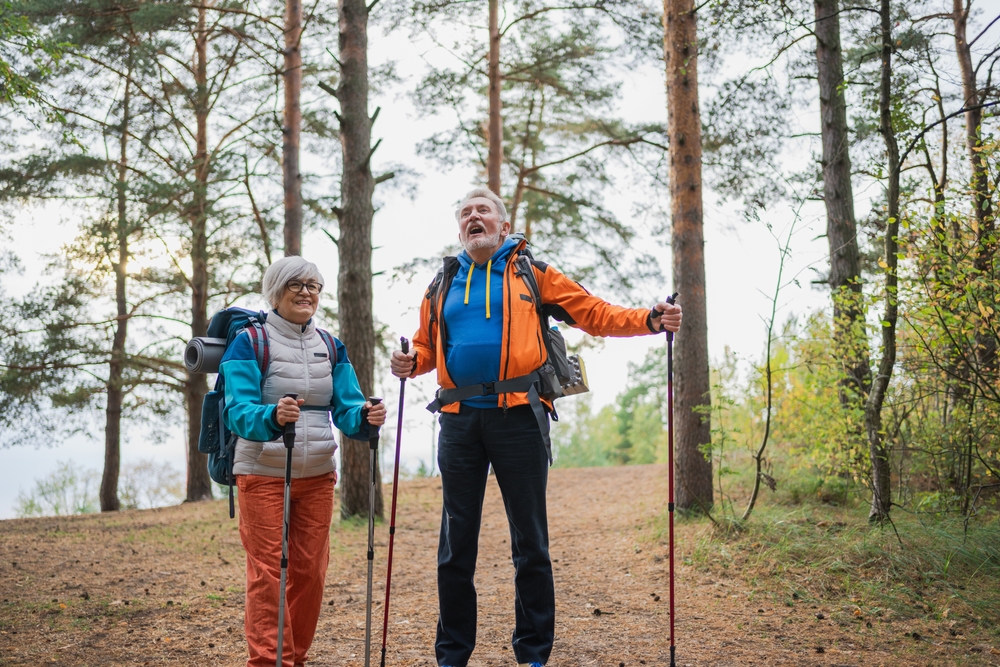
Individuals over 60 are advised to walk at a speed of 4.34 km/h (2.7 mph). This pace ensures safety while promoting circulation, bone strength, and overall physical health.
Adjusted Walking Speed for Ages 65 and Above
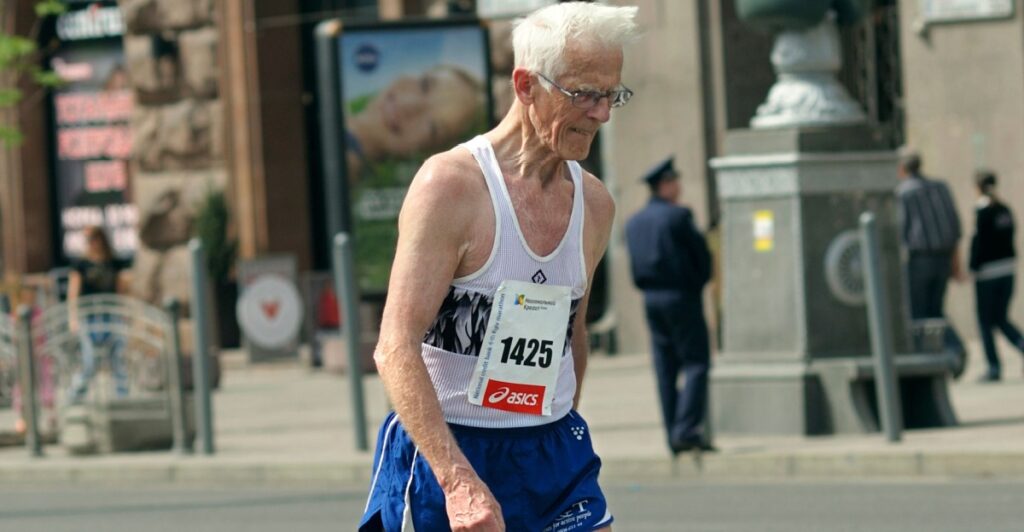
For those over 65, the suggested walking speed is 3.42 km/h (2.1 mph). This adjustment accounts for changes in balance and endurance while still providing the benefits of regular movement.
Walking for Weight Loss
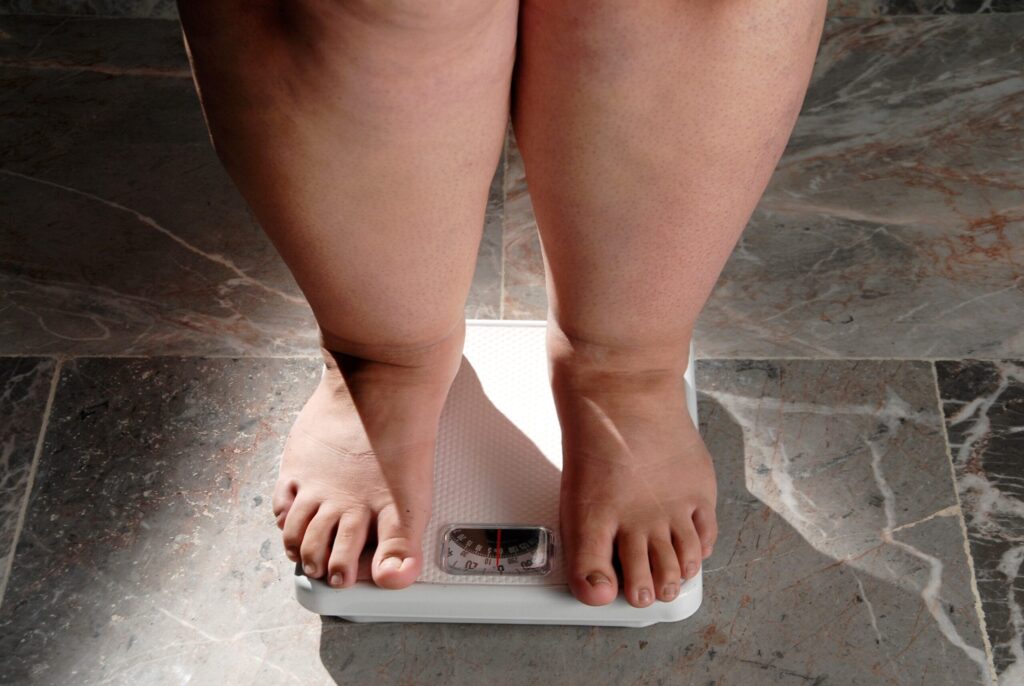
For weight loss, aim for a pace that feels brisk but sustainable—typically faster than your ideal age-based speed. Incorporating intervals of faster walking can enhance calorie burn and improve metabolic rate.
Walking for Cardiovascular Health
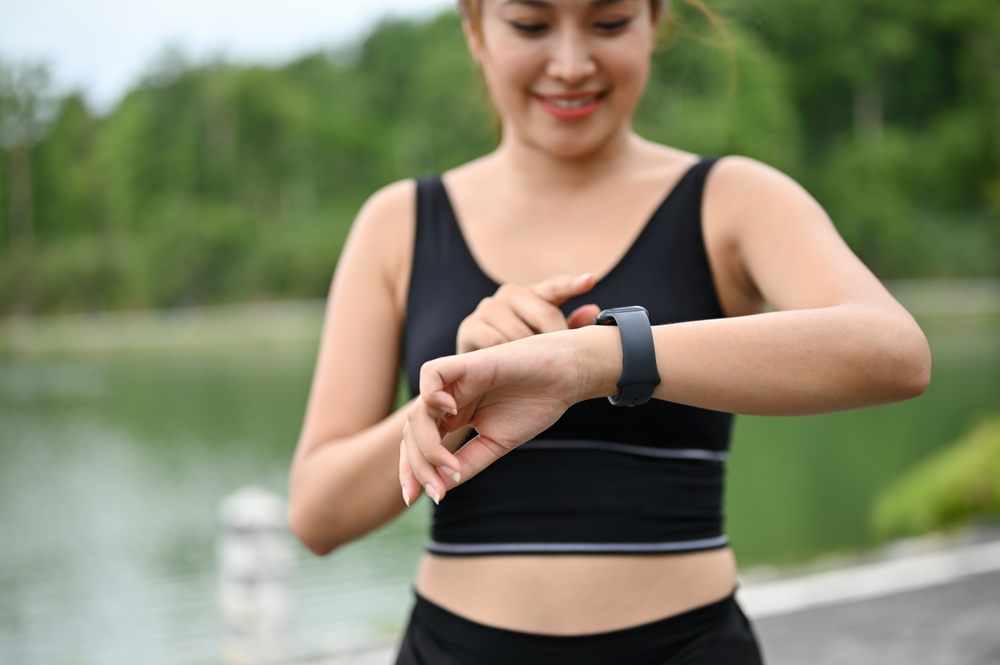
To support heart health, walk at a steady pace aligned with your age recommendation, focusing on consistency rather than intensity. Regular walks of 30 minutes or more, several times a week, are ideal.
Tips for Increasing Your Walking Speed Over Time
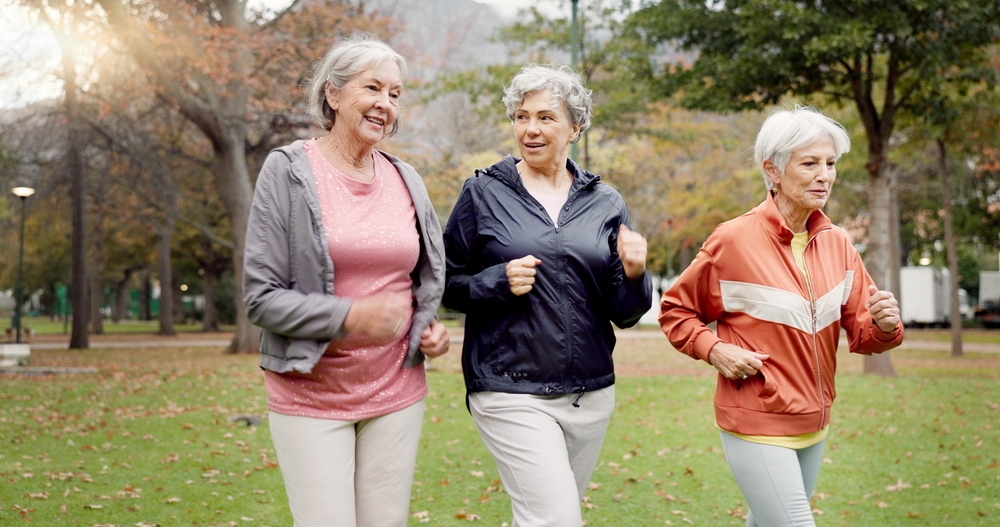
- Start with a comfortable pace and gradually increase your speed in small increments.
- Use proper posture and arm movement to enhance momentum.
- Incorporate interval training by alternating between your regular pace and a faster pace.
- Wear comfortable walking shoes and track your progress with a fitness app.
- Set achievable goals and reward yourself for milestones.
Walking is a lifelong activity that adapts to your needs and abilities. By finding your ideal pace, you can make walking an enjoyable and effective part of your daily routine.
Data is sourced from the “Walkability Index for Elderly Health“
This article is made and published by Club Welltica, who may have used AI in the preparation.