
Exercise Changes How Your Body Stores Fat

Overweight individuals who exercise regularly have healthier belly fat and can store fat more effectively, according to a new study by researchers at the University of Michigan.
How the Study Was Conducted
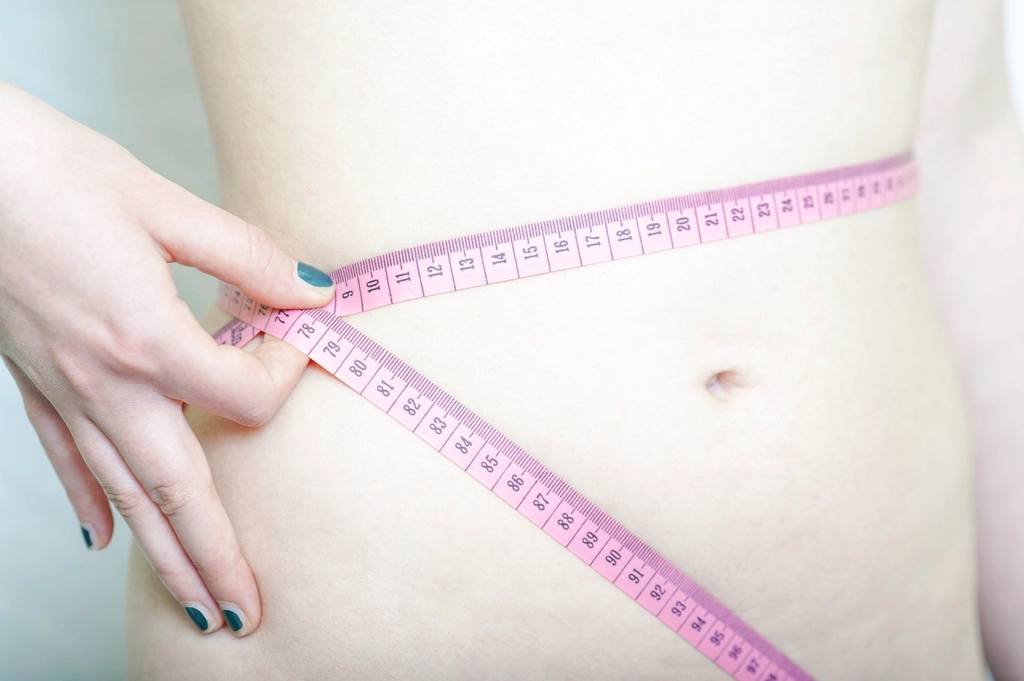
Researchers grew fat tissue in the lab using cells collected from both exercisers and non-exercisers. They found that the cells from exercisers developed into tissue that stored fat more efficiently.
Long-Term Exercise Benefits

Lead researcher Jeffrey Horowitch explained that regular exercise over months or years changes fat tissue, making it healthier and better at storing body fat.
Comparing Exercisers to Non-Exercisers

The study examined two groups of overweight adults:
- 16 individuals who exercised at least four times a week for over two years (average: 11 years).
- 16 individuals who had never exercised regularly, matched in body fat, weight, and gender.
Healthier Fat in Exercisers
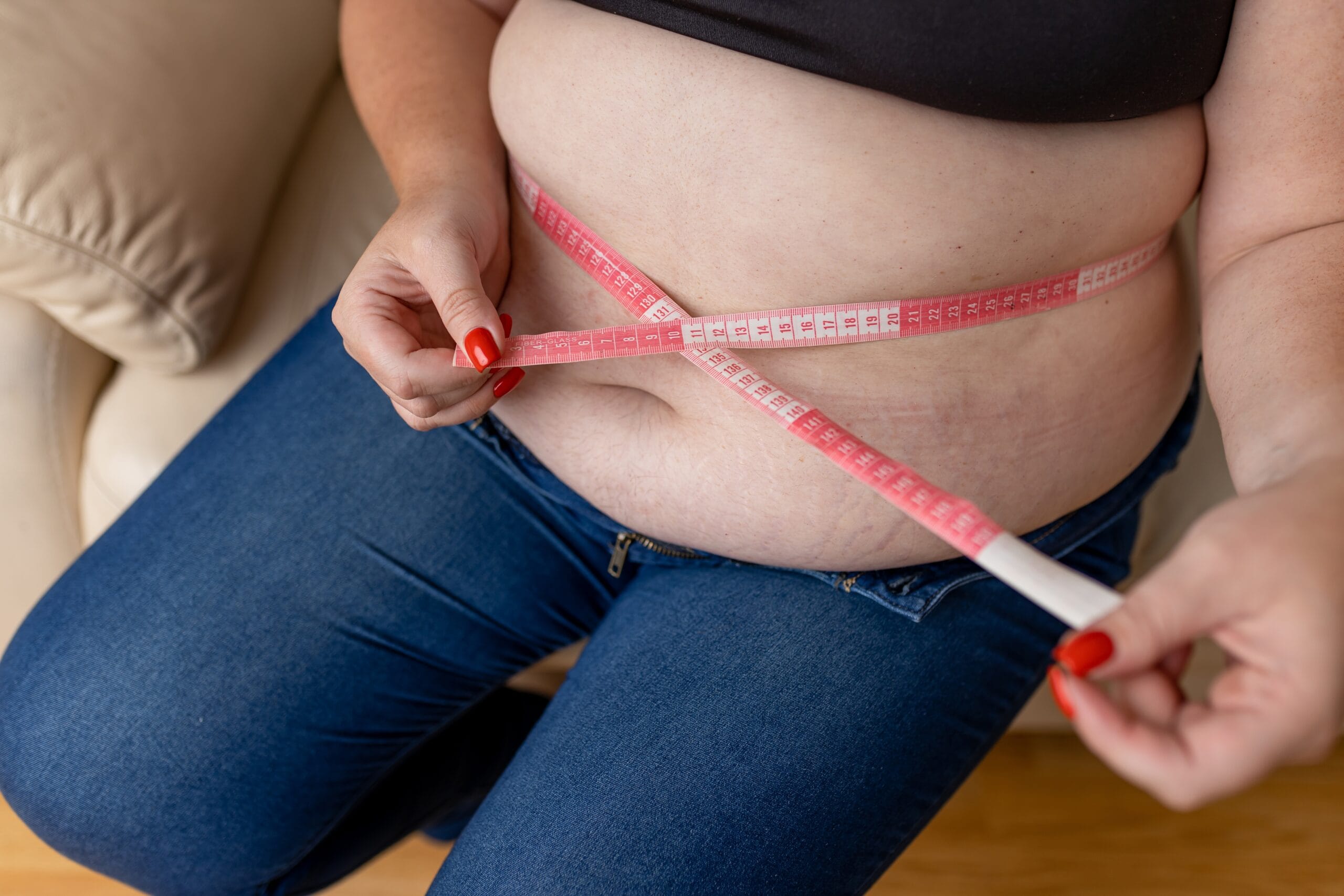
Exercisers had healthier subcutaneous fat tissue with:
- More blood vessels.
- Beneficial proteins.
- Less harmful collagen that disrupts metabolism.
- Fewer inflammation-causing cells.
Why This Matters

Healthy subcutaneous fat (just under the skin) reduces the need to store fat in harmful places, like around organs (visceral fat) or inside organs such as the liver or heart.
Tips to Reduce Belly Fat: Stay Active

Regular exercise reduces waist size and visceral fat. Aim for at least 30 minutes of moderate-intensity activity most days. Add movement to daily tasks: park farther away, take stairs, and stand while on calls.
Avoid Smoking

Smoking increases the likelihood of storing fat in the belly instead of hips or thighs.
Get Enough Sleep

A study found that adults under 40 who slept less than five hours a night accumulated significantly more visceral belly fat over five years.
Eat Healthier

- Focus on plant-rich, varied, and moderate portions.
- Eat more vegetables, fruits, and whole grains.
- Choose legumes, fish, and plant-based oils.
- Limit sugary, salty, and fatty foods.
- Quench your thirst with water.
This article is made and published by Club Welltica, who may have used AI in the preparation.