
For many, a morning doesn’t truly start without a cup of coffee or tea. But which drink actually sets you up for the best day ahead?
Here are some crucial points from dietitians to help you decide what’s right for you.
Coffee is packed with antioxidants

Registered dietitians Maddie Pasquariello and Samantha Peterson highlight that coffee is rich in antioxidants like chlorogenic acid and other polyphenols that protect the body from cell damage.
Coffee may reduce risk of chronic diseases
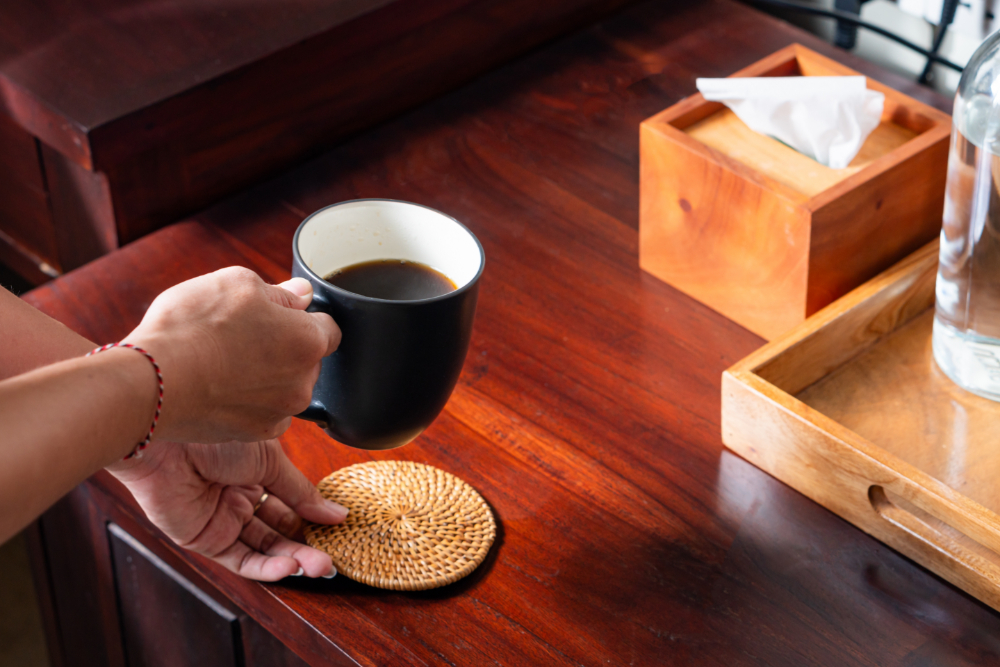
Thanks to its antioxidants, coffee can help lower the risk of developing chronic conditions like heart disease and cancer, according to Maddie Pasquariello.
Also read: 10 Ticks You Need to Know - and the Diseases They Secretly Carry
Coffee supports brain and metabolic health

Samantha Peterson explains that the antioxidants in coffee can boost brain health, support metabolic function, and help detoxify the liver.
Caffeine in coffee can fight inflammation
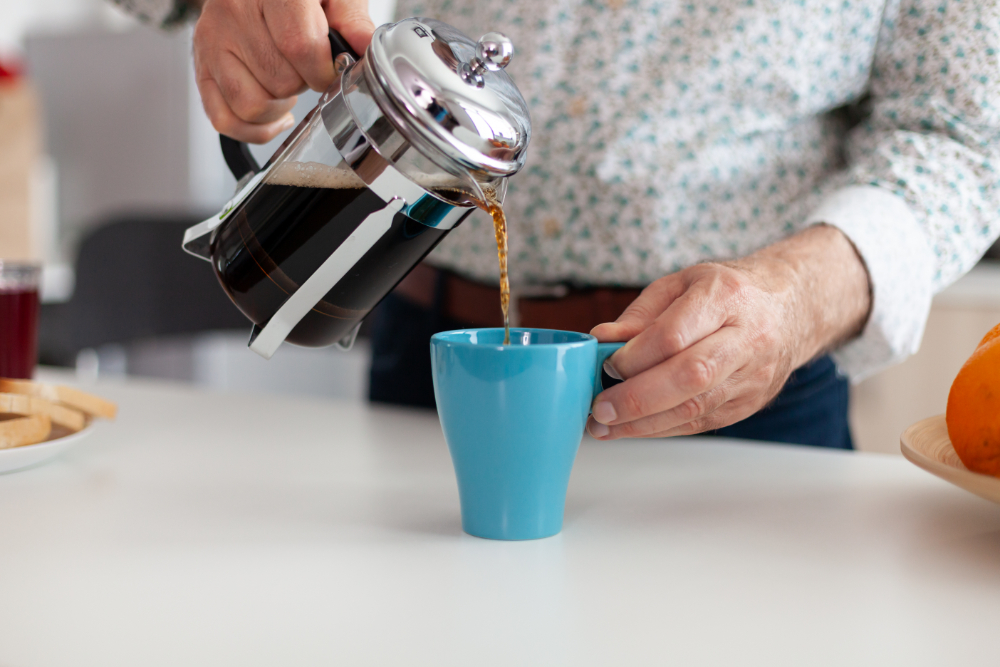
Maddie Pasquariello notes that caffeine itself offers benefits, including protecting the body against inflammation.
Tea is loaded with powerful antioxidants too
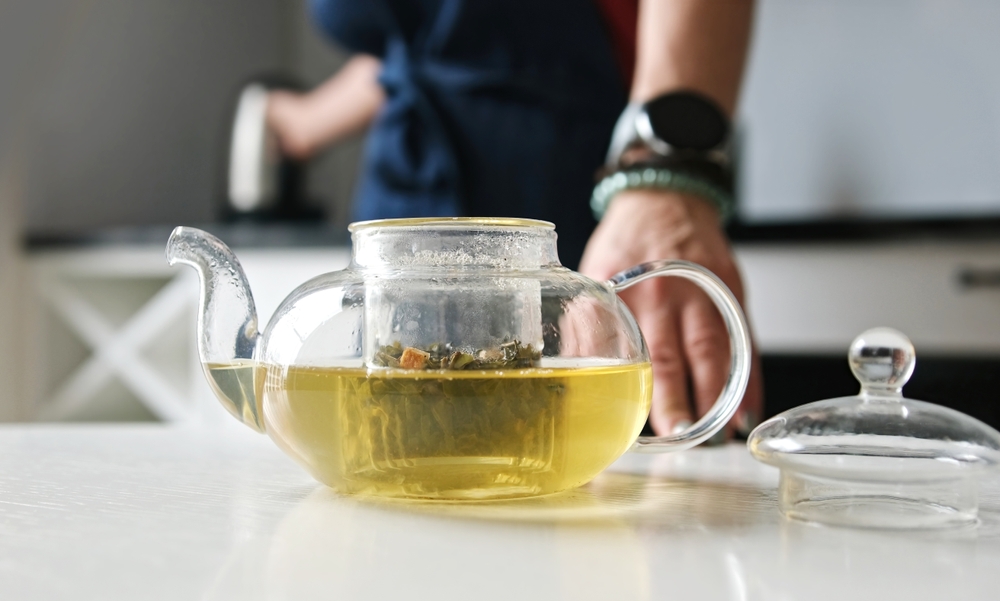
Green and black teas are antioxidant powerhouses rich in catechins like EGCG and theaflavins, which strengthen heart health, metabolism, hormones, and the immune system, says Samantha Peterson.
L-theanine in tea provides calm, steady energy
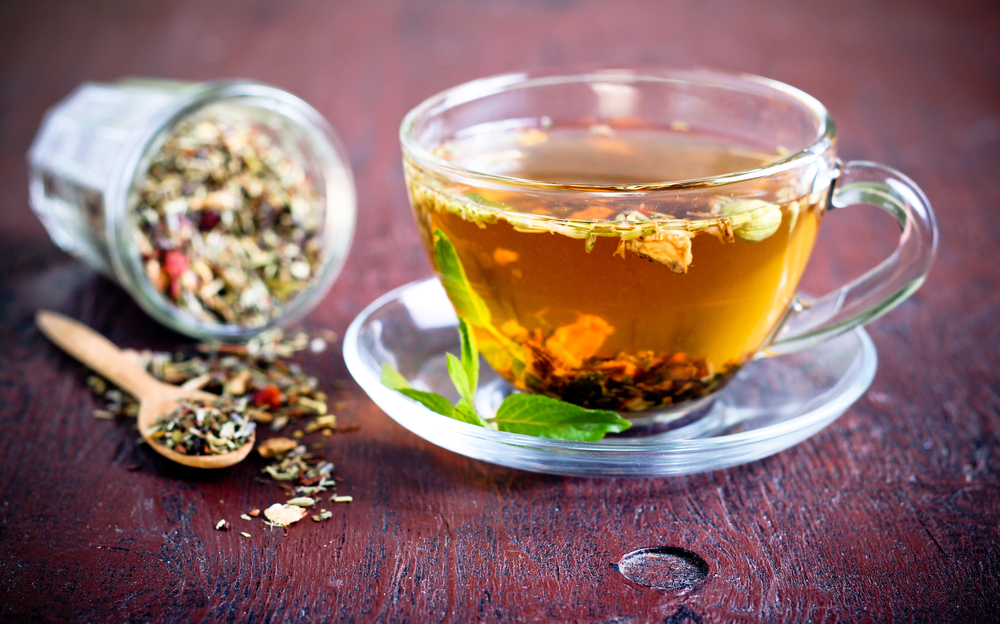
A unique perk of tea is L-theanine, which promotes a calmer, more focused energy boost without jitters or a cortisol spike, unlike coffee.
Also read: Say Goodbye to Constipation: Foods that Keep You Regular
Neither drink is clearly superior

Maddie Pasquariello points out that swapping coffee for tea or vice versa won’t drastically impact your health if all other habits stay the same.
Energy levels should guide your choice

Peterson advises choosing your drink based on how your body handles caffeine and what you need in the morning: a quick kick or steady energy.
Coffee is best for an immediate boost

If you need a strong cognitive push or do intense work in the morning, coffee might be ideal, offering faster, more powerful stimulation.
Tea may be better for sensitive stomachs
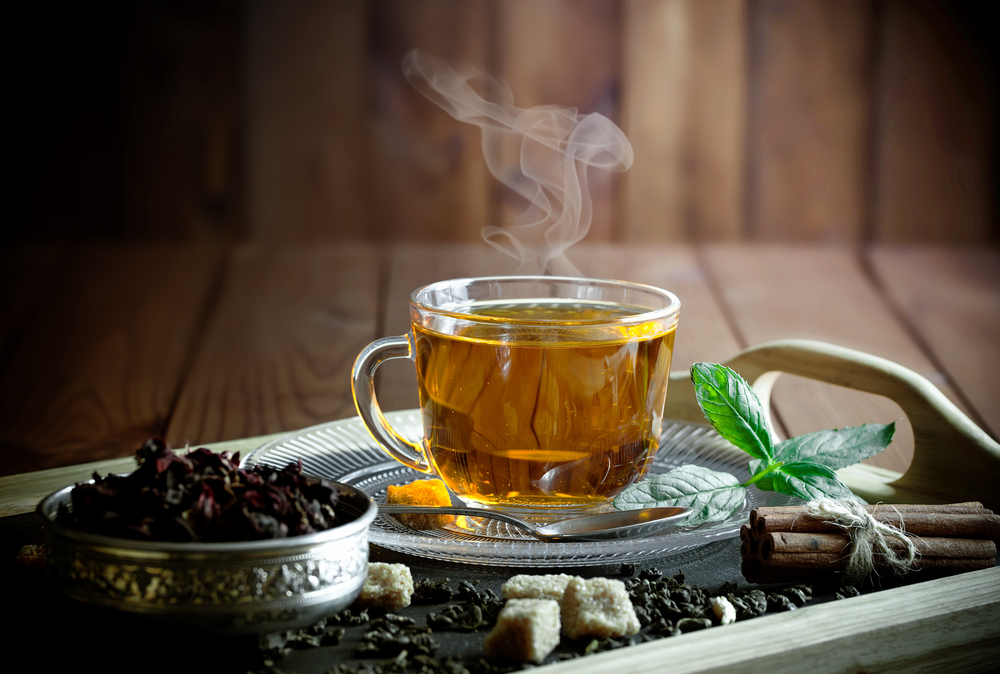
If caffeine makes you anxious, jittery, or you struggle drinking on an empty stomach, tea is the gentler, more stomach-friendly option, say both Maddie Pasquariello and Samantha Peterson.
Also read: Can You Really Handle Pain Better than Others? Here’s the Science
This article is based on information from Real Simple.
Also read: Avoid These Common Foods if You Hate Heartburn
This article is made and published by Ida-Marie Palm Varbæk, who may have used AI in the preparation.