
Bloating, stomach pain, and irregular digestion can make daily life challenging for those suffering from irritable bowel syndrome (IBS). While the condition is not dangerous, it can be highly disruptive. Here are 15 ways to help manage and relieve your symptoms.
1. Eat small, regular meals

Large meals can overwhelm the digestive system and worsen symptoms. Eating smaller portions throughout the day can help prevent bloating and stomach discomfort.
2. Reduce fatty foods

High-fat foods can be difficult to digest and may trigger diarrhea or bloating. Limiting fried foods, full-fat dairy, and heavy meats can help alleviate symptoms.
3. Avoid artificial sweeteners

Sweeteners like sorbitol and aspartame, commonly found in sugar-free gum, sodas, and candy, can worsen digestive issues by drawing excess water into the intestines.
4. Experiment with the Low FODMAP diet

Certain short-chain carbohydrates can irritate the gut, and the Low FODMAP diet helps identify which foods are problematic. Common triggers include onions, garlic, and rye bread.
5. Increase soluble fiber intake
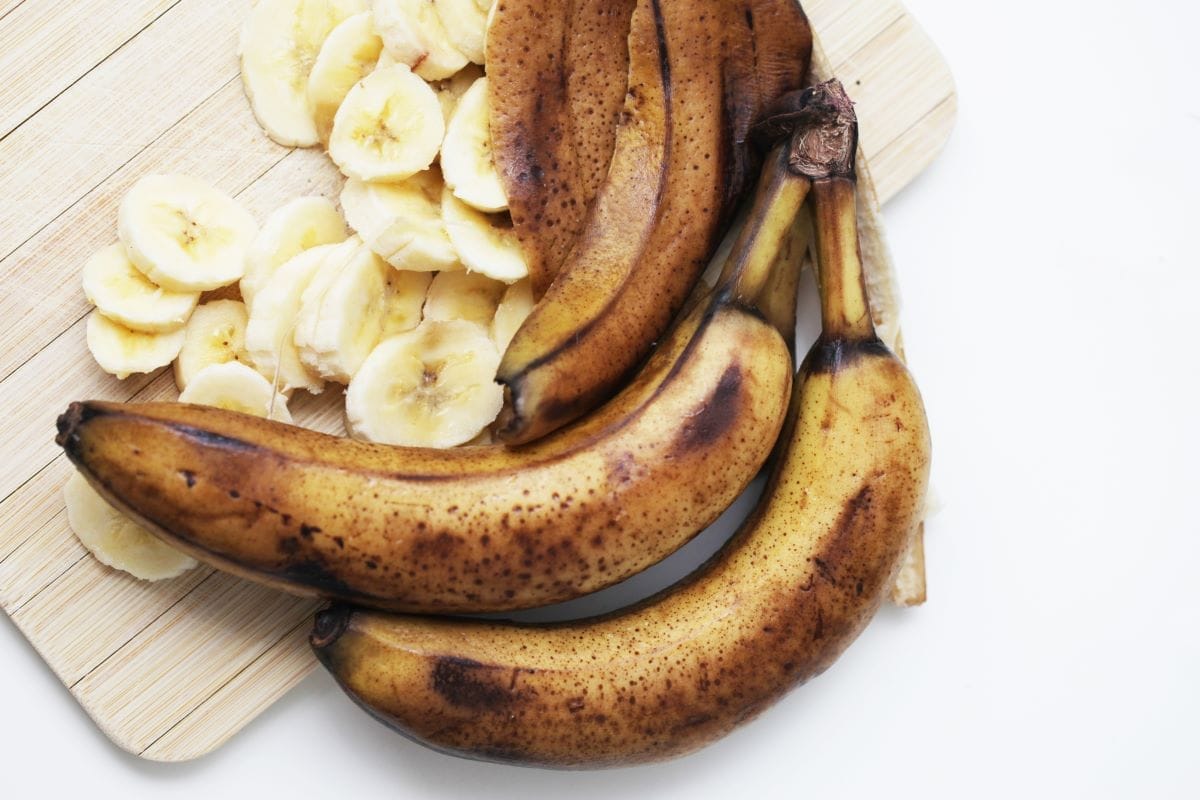
Fiber-rich foods such as oats, bananas, and potatoes can regulate bowel movements and help relieve both diarrhea and constipation. Introduce fiber gradually to avoid bloating.
6. Stay hydrated

Dehydration can make constipation worse and lead to hard stools. Drinking 1.5–2 liters of water daily can keep the digestive system functioning smoothly.
7. Limit caffeine and alcohol

Coffee, black tea, and alcohol can irritate the gut and increase symptoms like cramps and diarrhea. Switching to decaffeinated options or herbal teas may help.
8. Get enough sleep

Lack of sleep can raise stress levels and worsen IBS symptoms. Aim for seven to nine hours of rest each night to support your digestive health.
9. Exercise regularly

Physical activity stimulates bowel movements and can reduce constipation. A daily walk or light workout can significantly improve digestion.
10. Try probiotics

Beneficial bacteria found in yogurt, kefir, and supplements can help restore gut balance. However, some people experience worsened symptoms, so results may vary.
11. Manage stress levels

Stress can trigger or intensify IBS symptoms. Relaxation techniques such as meditation, yoga, or deep breathing exercises can help calm the digestive system.
12. Keep a food and symptom diary

Tracking your diet and symptoms can help identify patterns and pinpoint foods that aggravate your condition.
13. Use peppermint oil supplements

Peppermint oil has been shown to relax intestinal muscles and reduce bloating and cramping. It is available in tea or capsule form.
14. Consider medical treatment

For severe symptoms, a doctor may prescribe medications for diarrhea, constipation, or abdominal pain. In some cases, low-dose antidepressants can help reduce gut sensitivity.
15. Consult a specialist

If IBS significantly impacts your quality of life, speaking with a gastroenterologist or dietitian can provide a tailored plan to manage symptoms effectively.
Article based on information from IFORM.dk
This article is made and published by Mie Hermansen, who may have used AI in the preparation.