
Many people know that iron is essential for the body, but surprisingly few know exactly which foods contain the highest amounts of this vital mineral.
That’s why we’ve compiled a list of 10 iron-rich foods to help you maintain a healthy body.
Pork liver
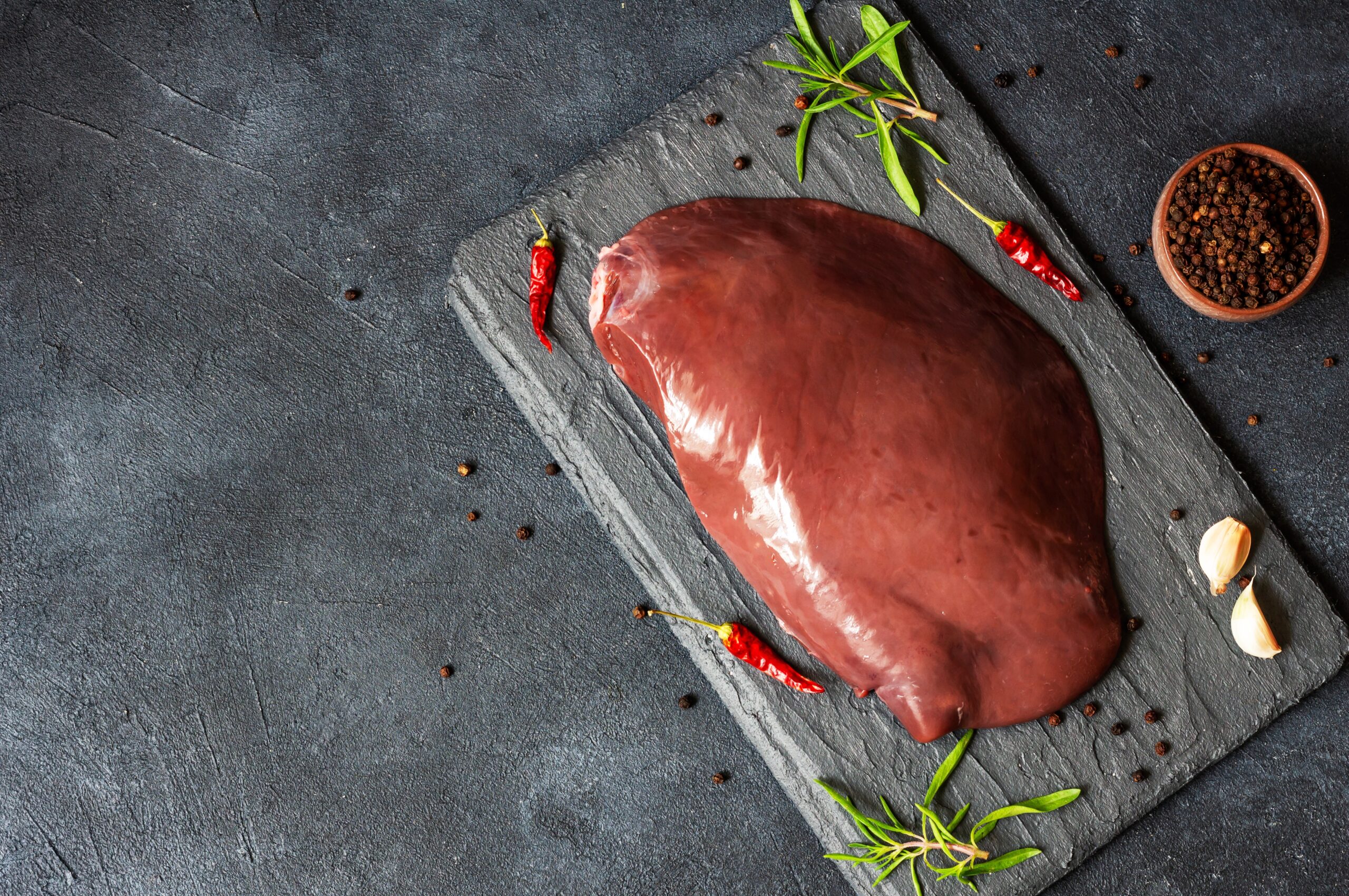
Pork liver tops the list as one of the absolute best sources of iron.
With a whopping 13 mg of iron per 100 g, it’s an excellent choice if you need to boost your iron intake.
Sesame seeds
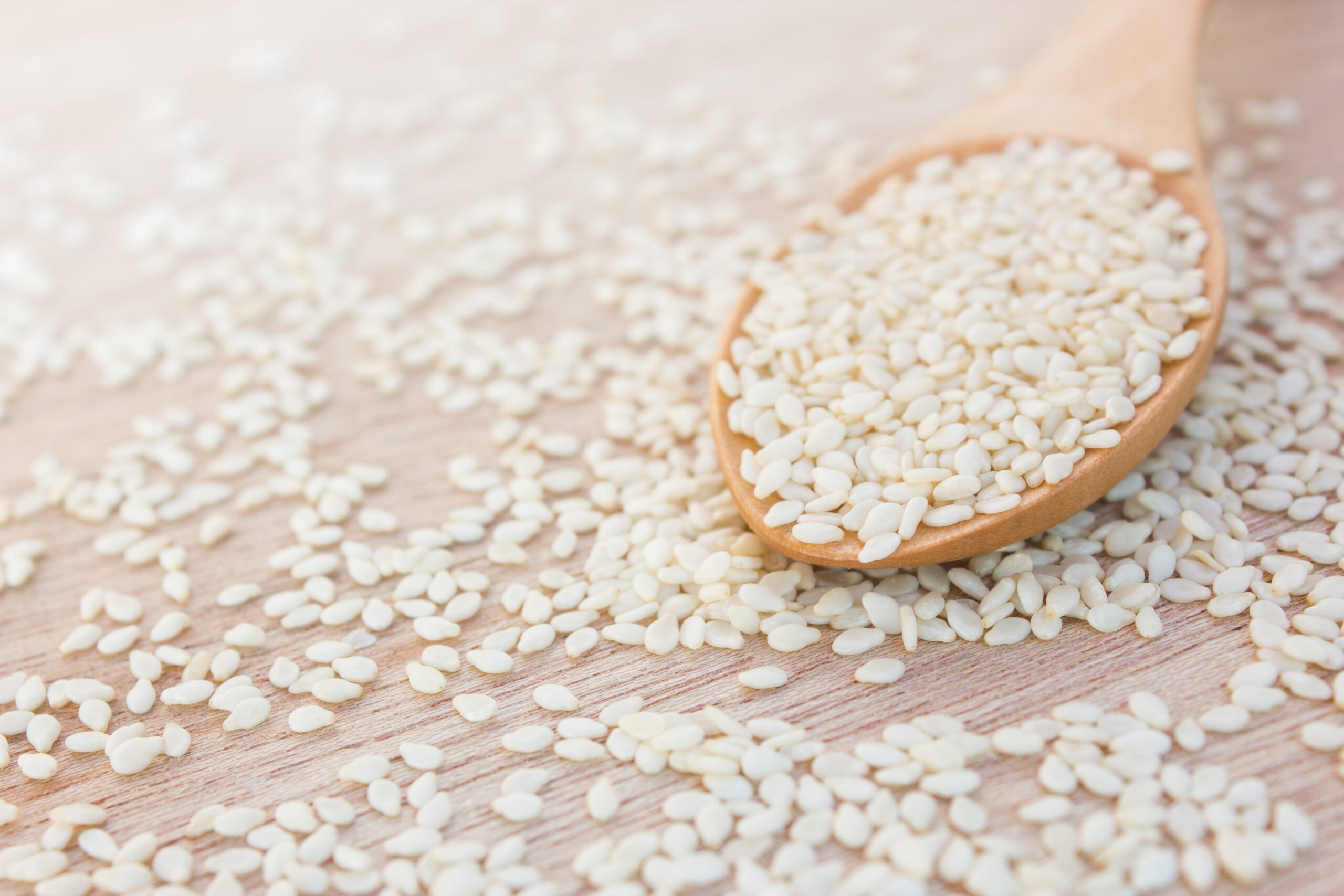
They may be small, but they pack a punch! Sesame seeds are a fantastic plant-based source of iron, providing 9 mg per 100 g.
They can easily be added to salads, yogurt, or used as a topping for baked goods, making them both nutritious and versatile.
Clams
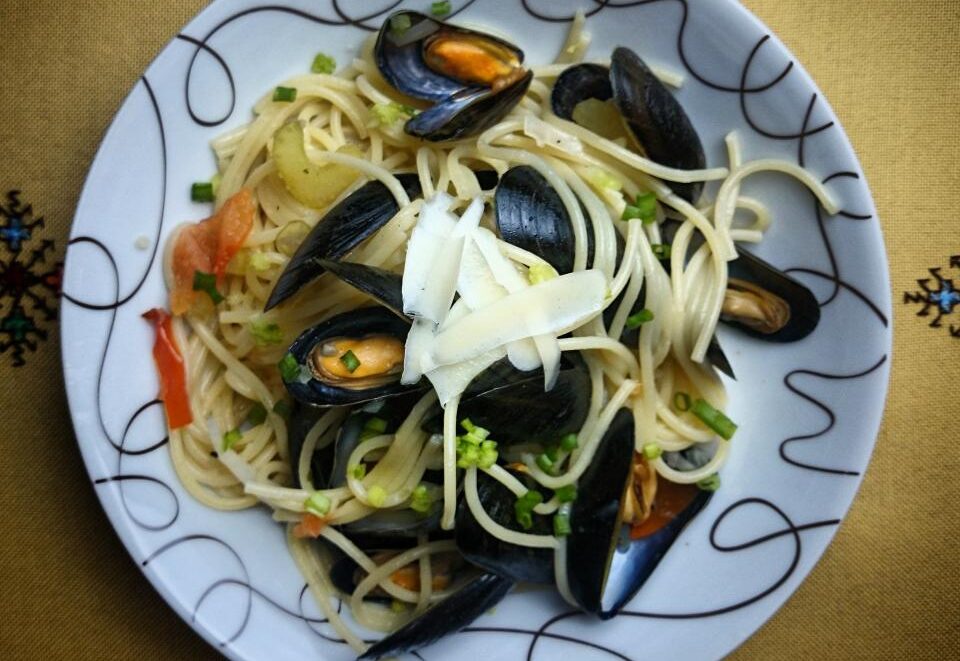
Clams are not only delicious but also an incredible source of iron, offering 8 mg per 100 g.
Additionally, they contain important minerals like zinc and selenium and are a great source of omega-3 fatty acids.
Cashew nuts
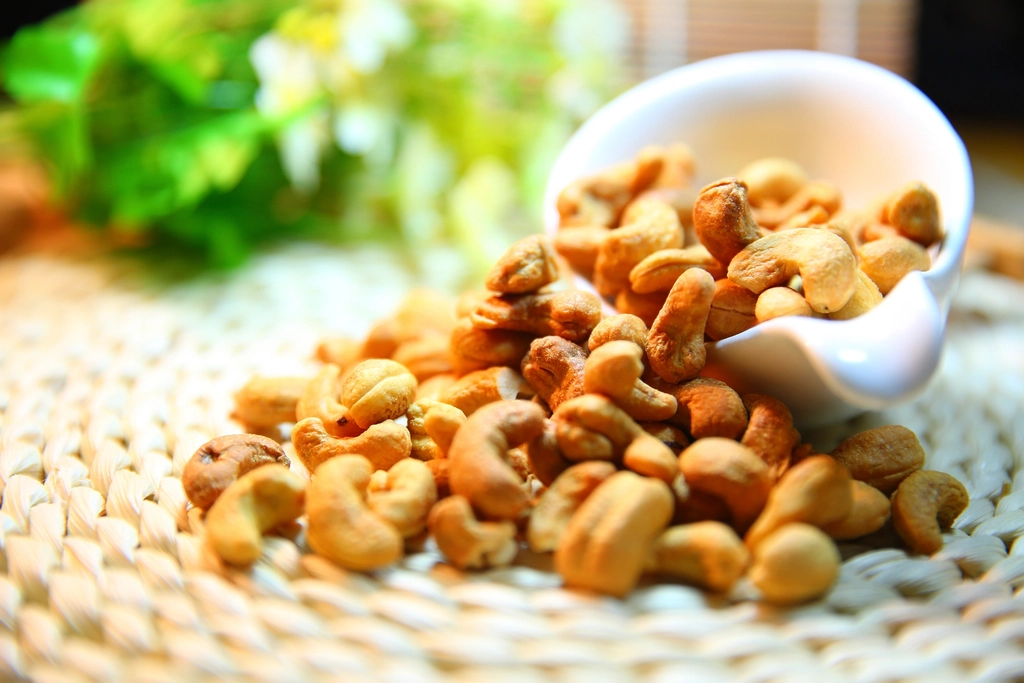
Cashew nuts are more than just a tasty snack—they’re also a good source of iron, with 6 mg per 100 g.
They are particularly great for those with busy lifestyles who need a quick and healthy snack
Crispbread
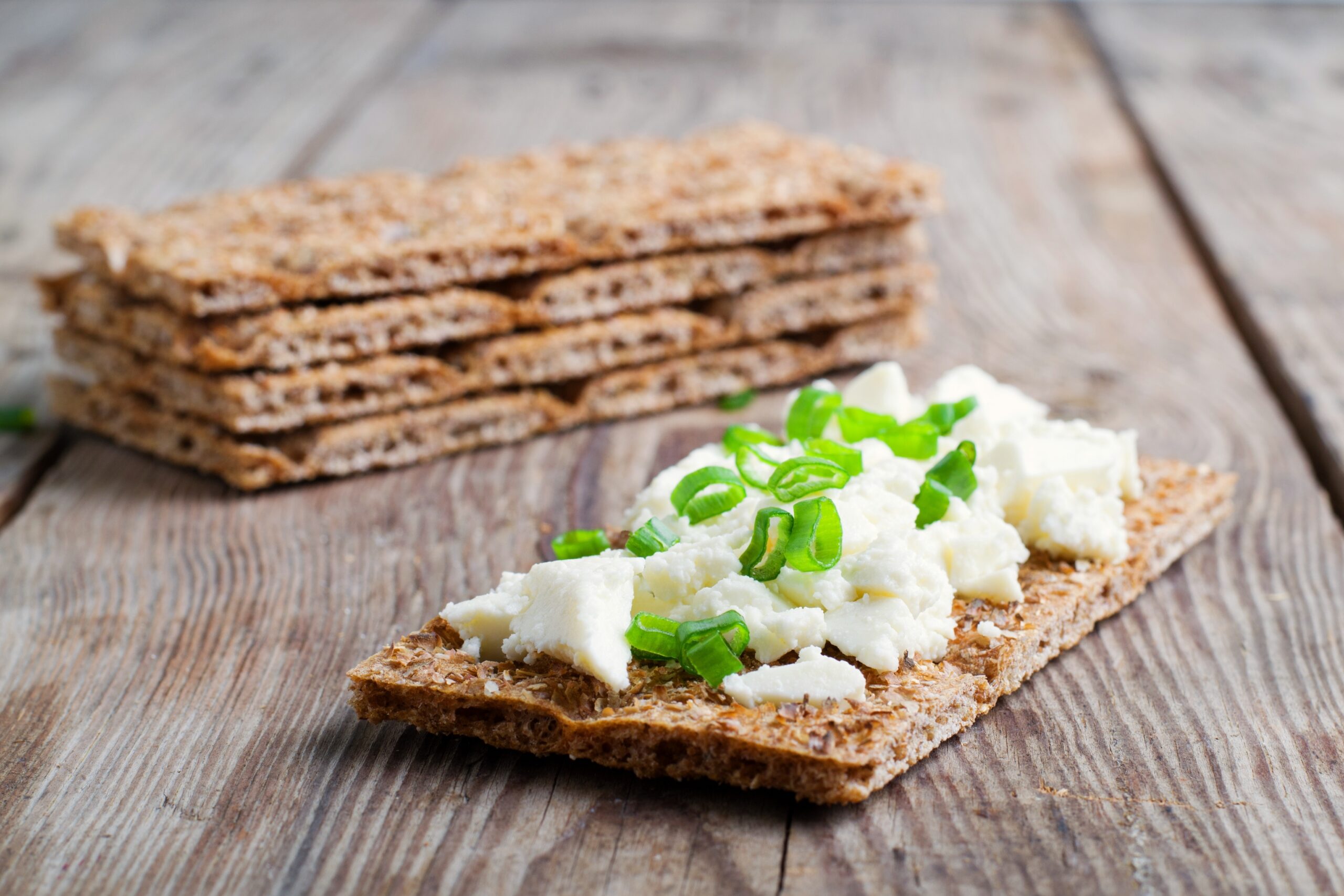
Crispbread made from wheat and graham flour is an unexpected yet effective source of iron.
With 5 mg per 100 g, a couple of slices with your favorite toppings can be a simple and healthy way to increase your iron intake.
Beans
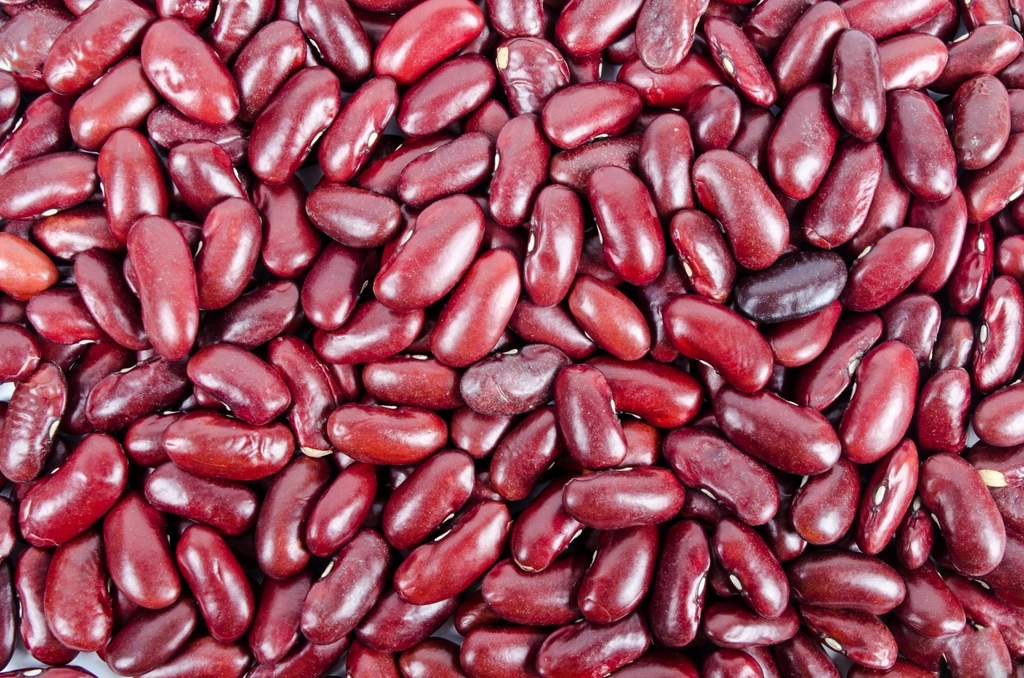
Kidney beans are a popular ingredient in many vegetarian dishes. The dried and raw versions contain 5 mg of iron per 100 g.
They are also one of the best plant-based sources of iron. Just remember to cook them properly to get the most out of their nutrients.
Chickpeas
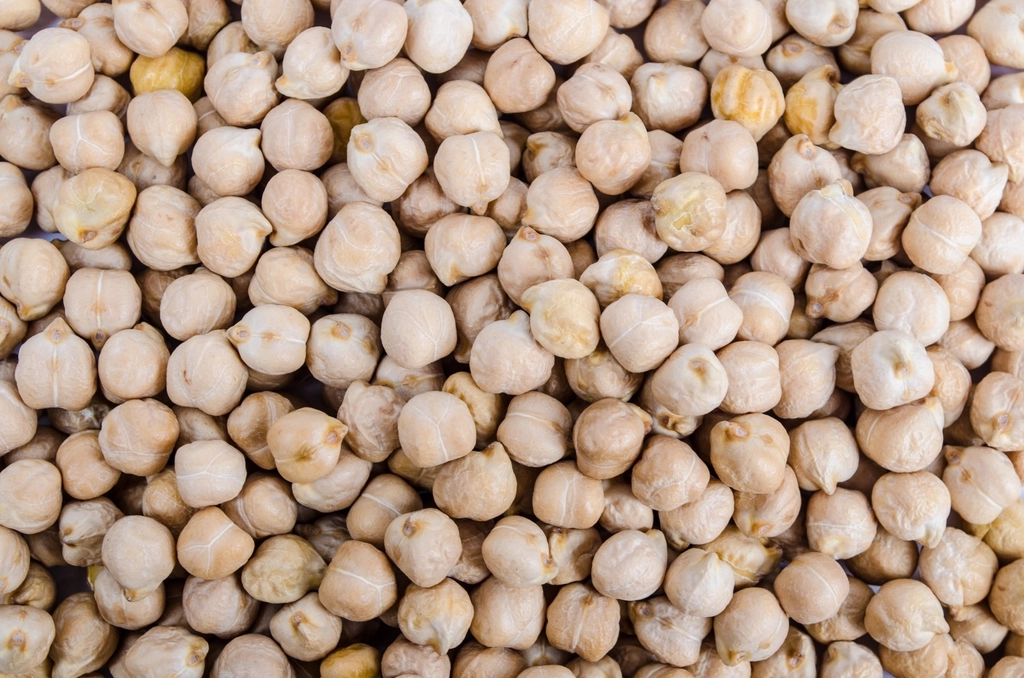
Chickpeas are a versatile legume that can be used in salads, stews, or as hummus.
The dried and raw versions contain 5 mg of iron per 100 g, making them an excellent choice for vegetarians and vegans looking to maintain healthy iron levels.
Oatmeal
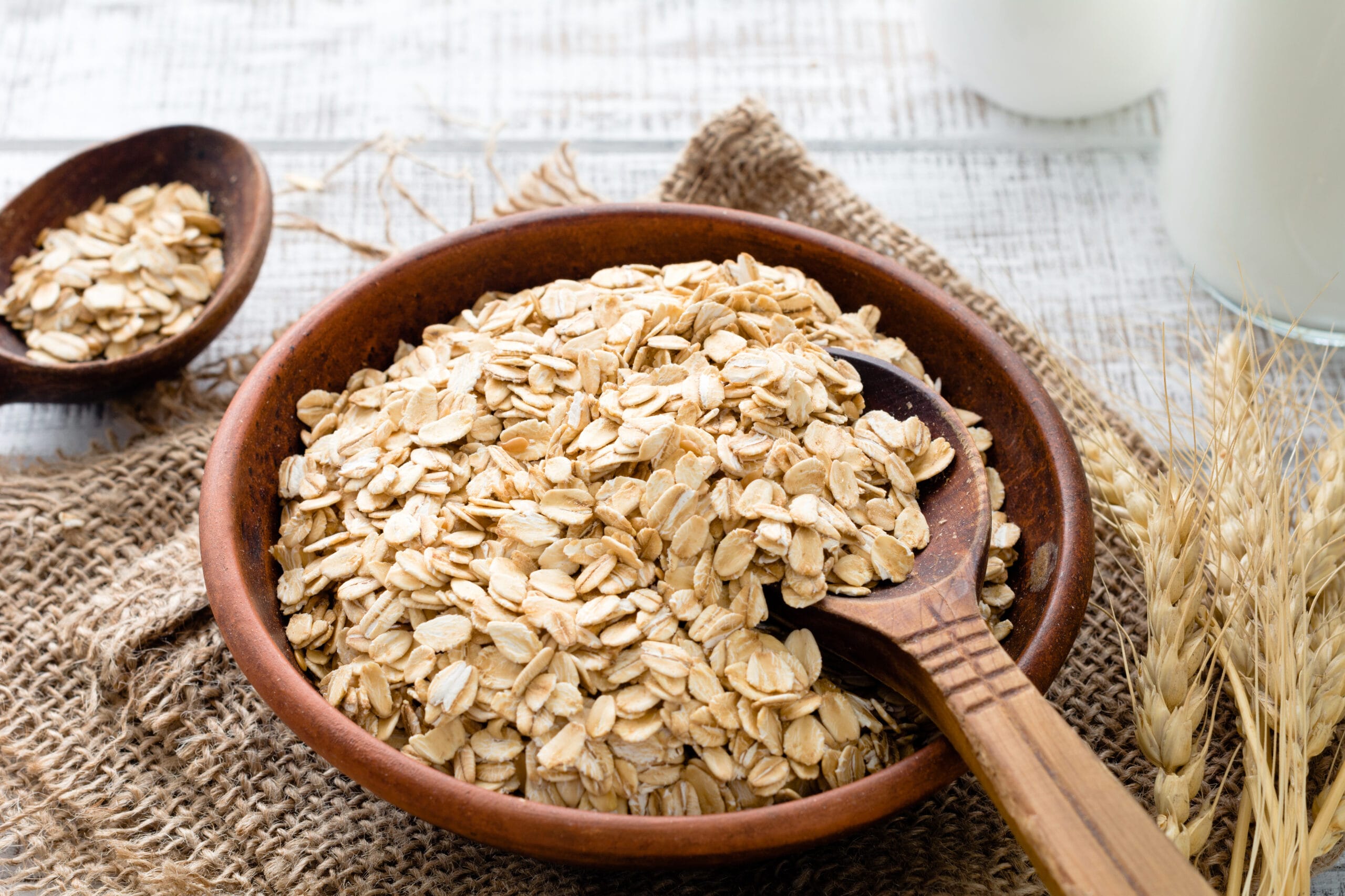
Oatmeal is a breakfast staple, and with 4 mg of iron per 100 g, it’s also a solid source of this essential mineral.
Add some fruit or nuts to make your breakfast even more nutritious.
Ground beef
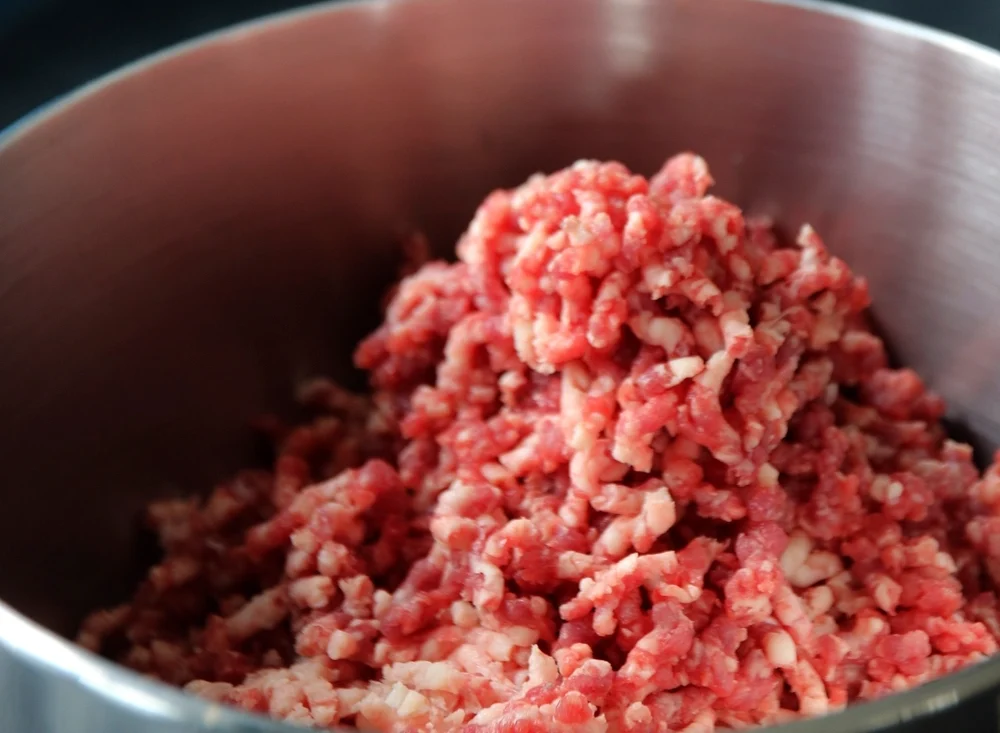
Ground beef is one of the most common protein sources in many households, but it also contains a decent amount of iron, with 2 mg per 100 g.
It’s especially beneficial for those who consume meat regularly..
Rye bread
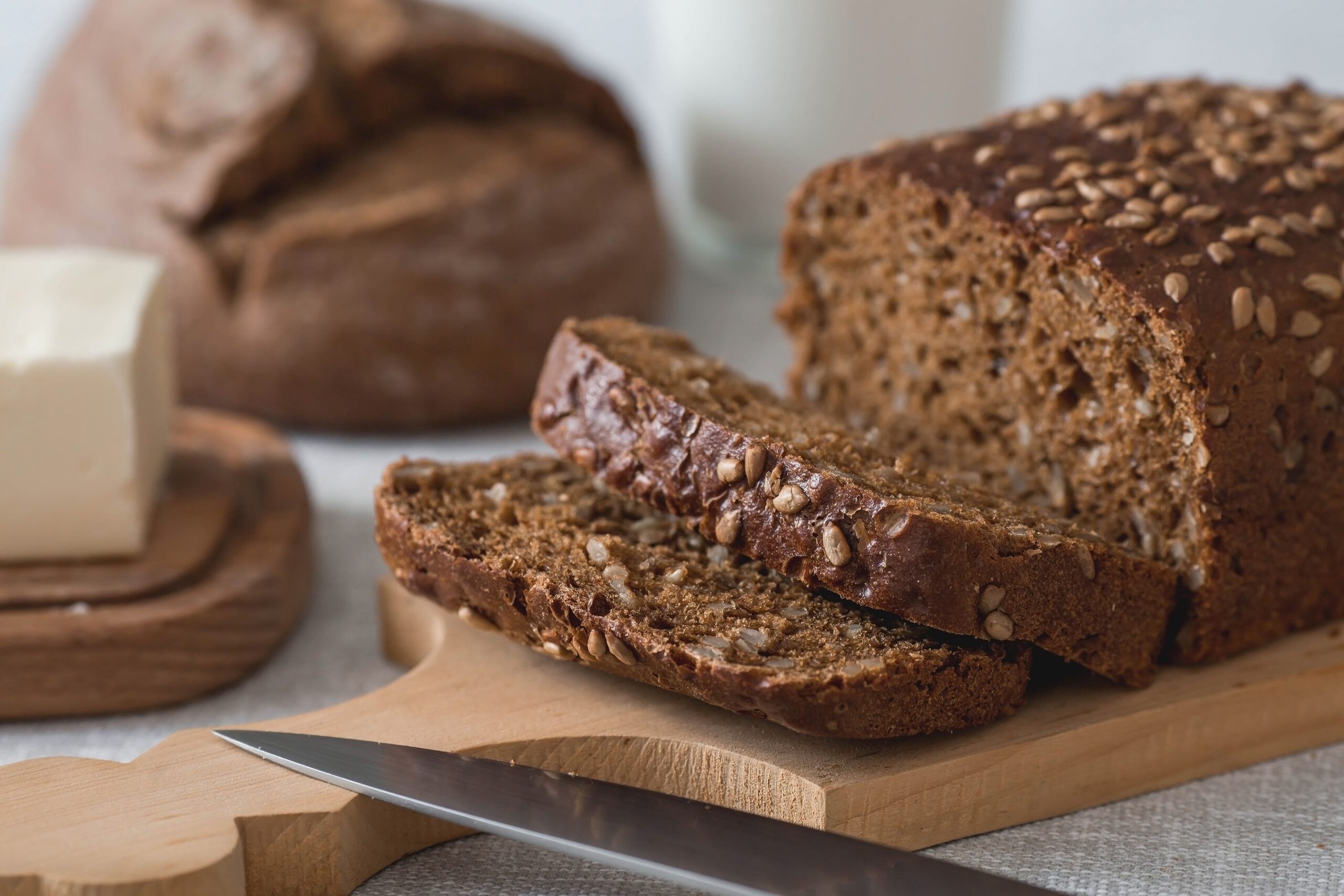
Rye bread is a staple in many diets and provides a steady source of iron, with 2 mg per 100 g.
It’s an easy way to ensure a consistent iron intake in daily meals, especially as a base for lunch sandwiches.
This article is based on information from Samvirke, Fødevarestyrelsen og Sundhed.dk
This article is made and published by Ida-Marie Palm Varbæk, who may have used AI in the preparation.