
Copper might just be an overlooked secret weapon for keeping your mind sharp as you age.
New research suggests that eating more copper-rich foods could support better cognitive health.
Here are the cheapest and easiest ways to get more copper in your diet.
Go big on legumes
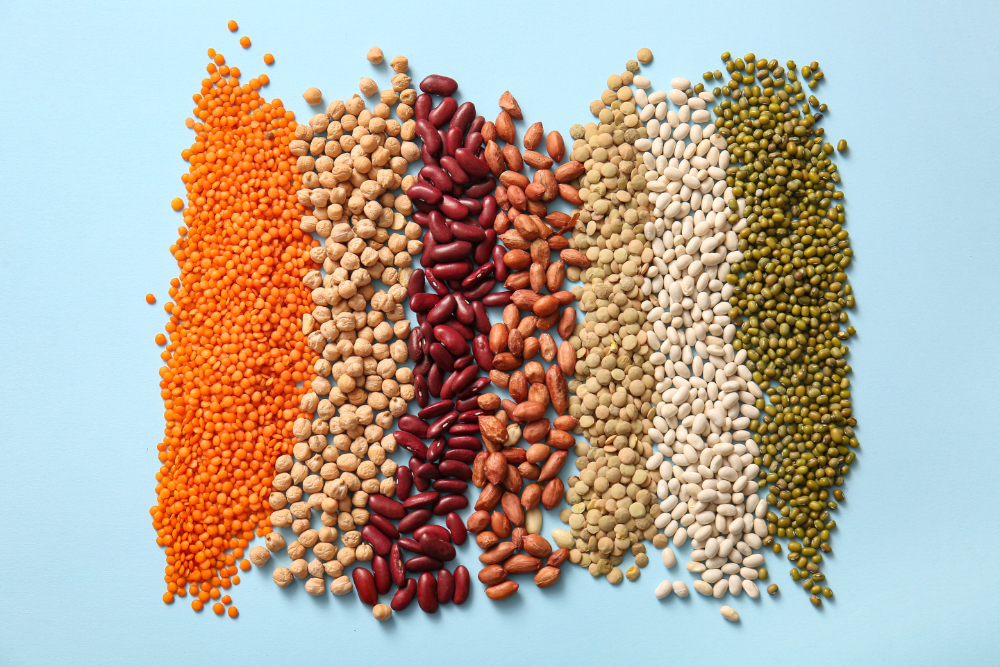
Lentils, chickpeas, adzuki beans, baked beans, and kidney beans are all great copper sources. They’re affordable, versatile, and easy to add to soups, salads, and stews.
Also read: How to Avoid Feeling More Stressed After a Vacation
Load up on leafy greens
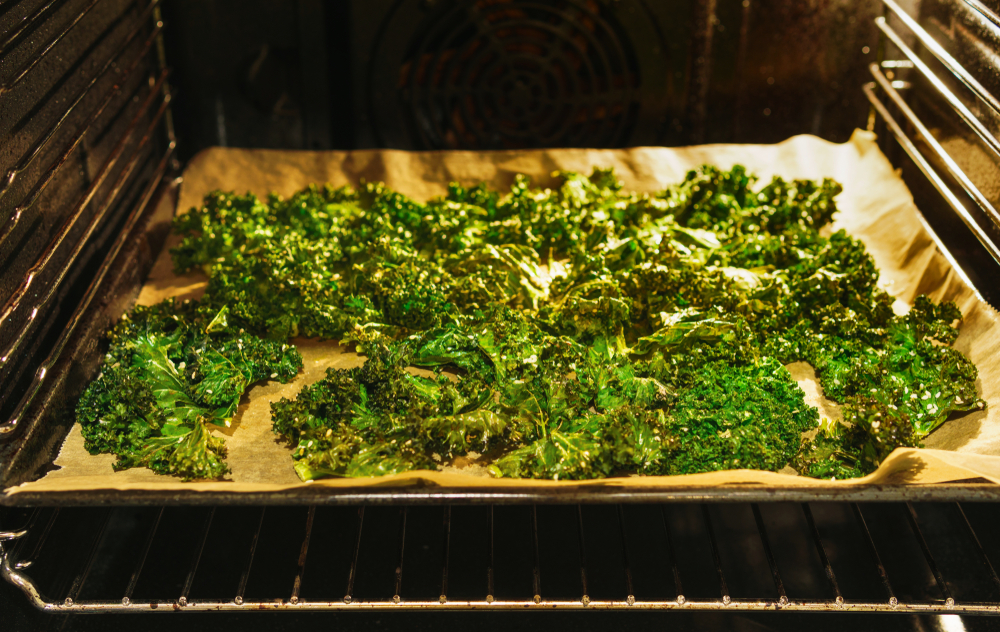
Dark leafy greens like spinach, kale, and Swiss chard pack plenty of copper. Add them to smoothies, stir-fries, or simply enjoy them fresh in a salad.
Rely on potatoes and sweet potatoes
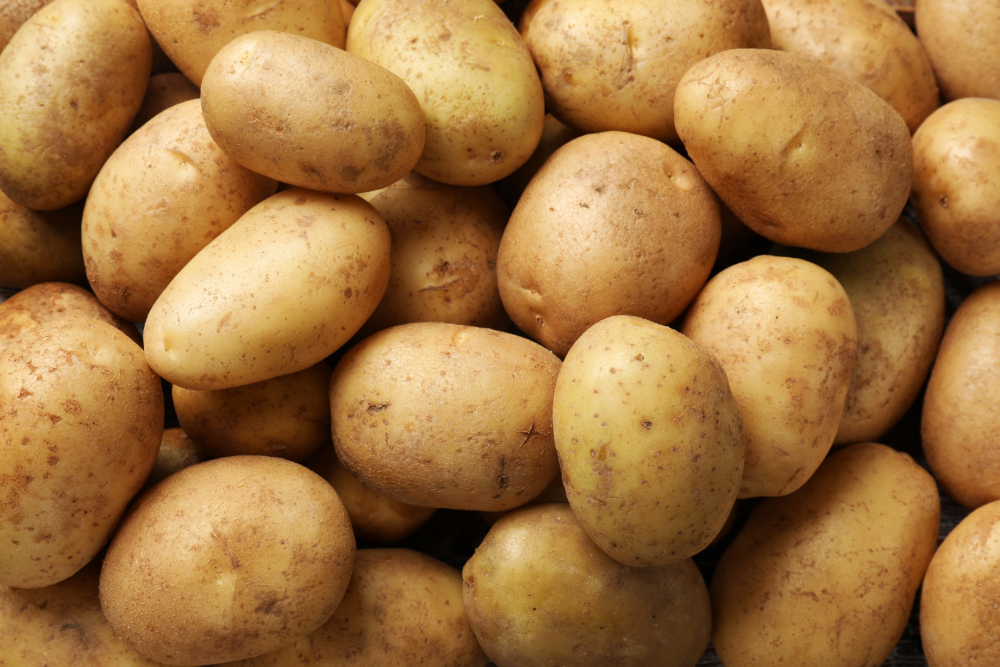
Ordinary potatoes and sweet potatoes also contain copper. Roast them, mash them, or use them as hearty fillings in wraps for a cheap copper boost.
Choose whole grains

Swap white rice for brown basmati, have oats for breakfast, or pick whole wheat spaghetti and wholemeal bread.
Whole grains help you hit your daily copper needs while keeping you full for longer.
Also read: You Might Be Treated Condescendingly Without Even Realizing It
Snack on nuts and seeds
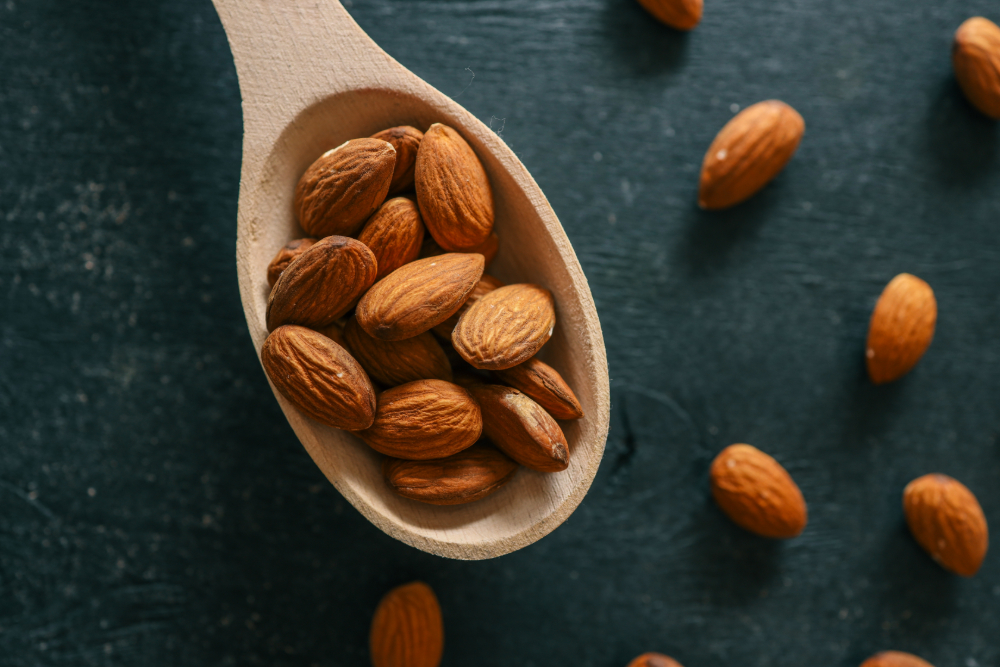
Almonds, cashews, sesame seeds, sunflower seeds, walnuts, and Brazil nuts are all good sources. Snack on them as they are, or sprinkle on yogurt, porridge, or salads.
Add shellfish to your plate
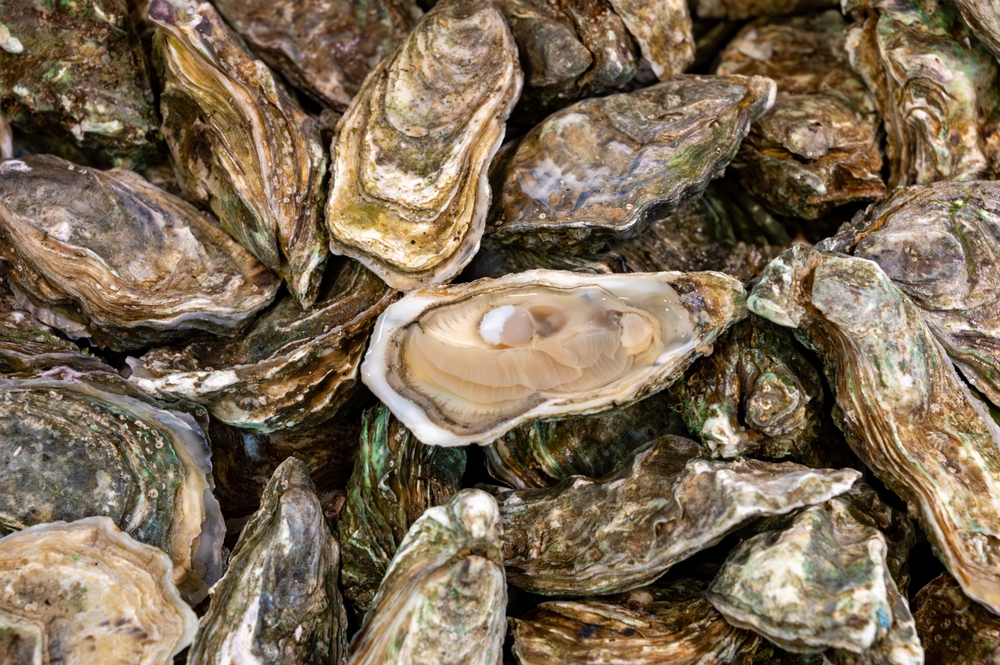
If you like seafood, oysters, mussels, and crab are packed with copper. They’re pricier than beans but still one of the richest natural sources.
Don’t forget organ meats

Liver and other organ meats are some of the most concentrated sources of copper. Even a simple liver paté on toast can help you reach your copper goal.
Treat yourself to dark chocolate

Good news for chocolate lovers: dark chocolate contains copper too. Pick a high-cocoa version and enjoy a small piece for a tasty brain boost.
Also read: Forgetful Lately? Here’s How to Tell If It’s Aging or Early Dementia
Eat the Mediterranean way
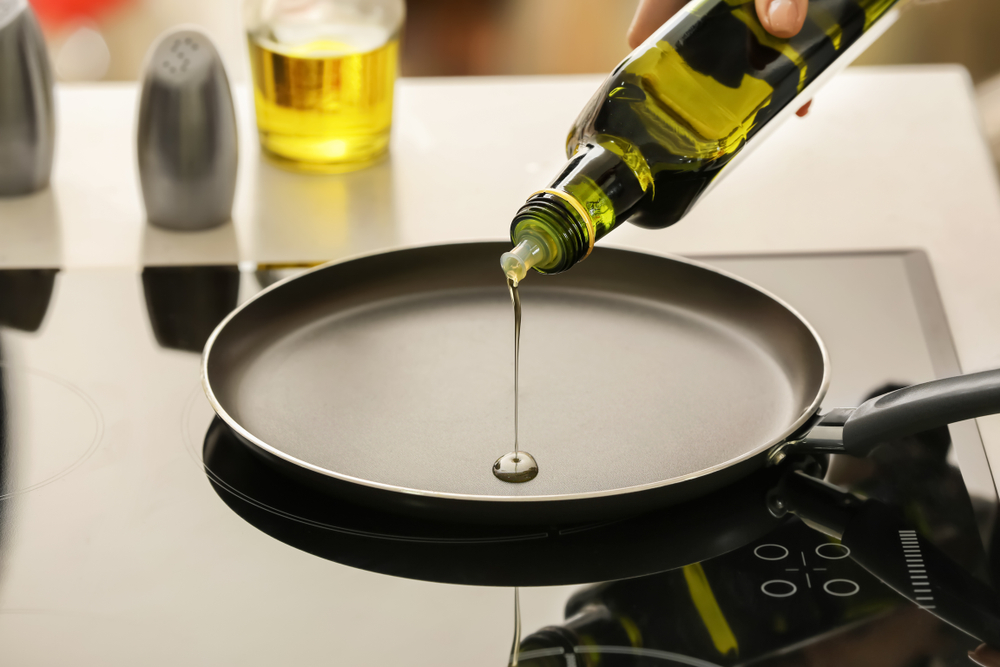
A diet high in fruits, vegetables, and healthy fats is linked to lower dementia risk. Combining copper-rich foods with this style of eating may offer extra protection.
Keep an eye on how much you get
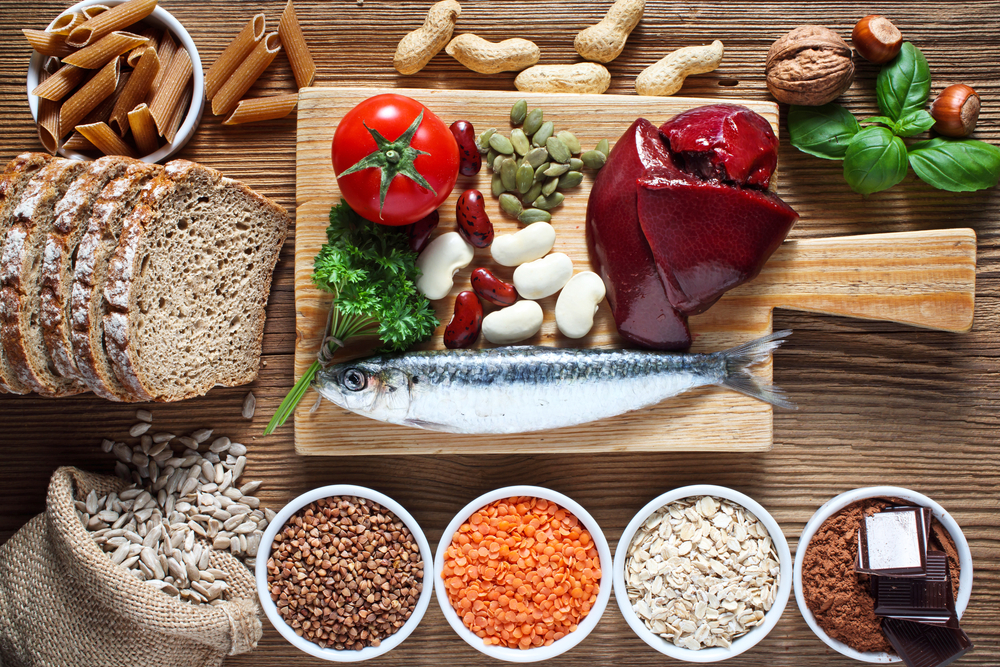
Adults aged 19 to 64 need about 1.2mg of copper daily.
You can easily get this amount from your diet, and new research suggests that getting enough could help keep your brain sharp as you age.
This article is based on information from The Sun.
Also read: These 3 Zodiac Signs Are Secret Geniuses – Are You One of Them?
Also read: Having Trouble Swallowing Pills? Use This Instead of Water
This article is made and published by Ida-Marie Palm Varbæk, who may have used AI in the preparation.