
In a world where diet and weight loss are often the main focus, it’s easy to overlook the potential dangers of eating too little.
While the conversation often revolves around obesity, undereating can also have serious consequences for both your body and mental health.
Here, we dive into 11 signs that may indicate you’re not eating enough—and what you can do about it.
1. Your Weight

If your weight is significantly below the average for your height and age, it could be a sign that you’re not consuming enough calories.
Although BMI is commonly used as an indicator, it doesn’t account for factors like muscle mass and body composition. If you’re unsure, consulting a healthcare professional is recommended.
2. Low Energy Levels

Fatigue is a classic sign that your body lacks the energy it needs from food.
Whether you’re active or not, your body requires fuel to function properly. If you constantly feel exhausted, it might be time to evaluate your calorie intake.
3. Hair Loss

A lack of essential nutrients such as biotin, iron, and protein can lead to hair loss.
If you notice more hair in your brush or shower drain than usual, it could be a sign that your diet isn’t providing enough nourishment.
4. Appetite Changes

Do you feel hungry all the time, or have you lost your appetite completely?
Both can be consequences of prolonged calorie deficiency. Your body tries to adapt by altering hormone levels, which can affect your hunger signals.
5. Fertility Issues

A calorie deficit can disrupt hormone production and reduce fertility.
For women, this can result in irregular or missing menstrual cycles, while men may experience reduced sperm quality.
6. Mood Swings

A poor or insufficient diet can impact your mood.
Feelings of irritability, anxiety, and sadness may stem from too few calories or missing nutrients that support brain function.
7. Feeling Cold All the Time

If you constantly feel cold—even when others don’t—it could be your body’s way of telling you that it’s not getting enough energy to maintain a stable body temperature.
8. Constipation

Eating too little means less waste passing through your digestive system, which can lead to constipation.
If you have fewer than three bowel movements per week, it could be a sign that you’re not eating enough.
9. Frequent Illness

A weakened immune system can result from a lack of essential vitamins and minerals like zinc, vitamin A, and vitamin C.
If you find yourself getting sick often, it may be worth checking whether your diet provides the necessary nutrients.
10. Growth Problems

For children and teenagers, a sufficient diet is crucial for growth and development.
If a child is growing more slowly than expected, it could be a sign of malnutrition.
11. Skin Problems
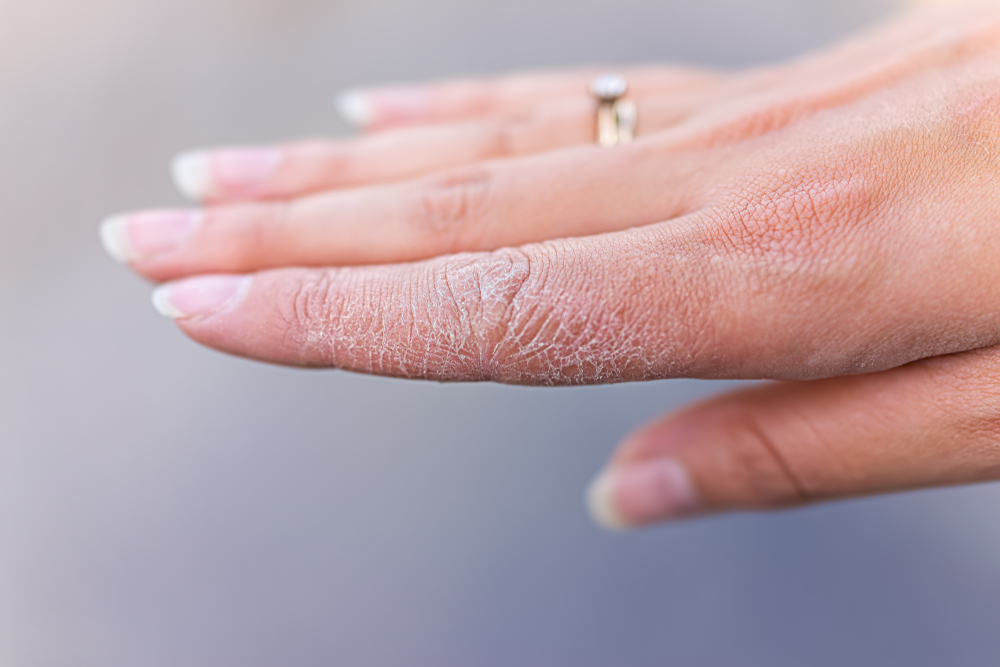
Your skin often reflects your internal health.
Thin, dry, or fragile skin can indicate a deficiency in essential fatty acids, protein, or vitamins.
When Should You Seek Help?

If you experience multiple symptoms from this list, you should consider speaking with a healthcare professional.
It’s important to identify the root cause of these issues and ensure that your body is getting the necessary calories and nutrients.
This article is based on information from Healthline.
This article is made and published by Ida-Marie Palm Varbæk, who may have used AI in the preparation.