
At the beginning of a new diet, motivation is high, and weight loss might seem easy. But after a few weeks, energy drops, sleep worsens, and sugar cravings take over. Before you know it, old habits return. Why does this happen, and what’s the best way to achieve sustainable weight loss?
Blood Sugar Stability is Key to Energy

Food affects blood sugar levels, and different carbohydrates impact the body in different ways. High-glycemic foods like white bread, sugary drinks, and candy cause rapid spikes and crashes in blood sugar, leading to fatigue and cravings. Choosing slow-digesting carbs like whole grains and vegetables helps maintain stable energy levels and prevents overeating.
Extreme Dieting Slows Metabolism

When calorie intake drops too drastically, the body goes into survival mode. It lowers metabolism to conserve energy, making weight loss harder over time. Instead of burning fat, the body starts breaking down muscle, reducing overall calorie expenditure.
Cutting Too Many Calories Can Backfire

A common mistake in dieting is severe calorie restriction. While it may cause initial weight loss, the body compensates by increasing hunger hormones and slowing metabolism. This often leads to binge-eating or regaining lost weight once normal eating resumes.
Muscle Loss Makes Weight Loss Harder

Muscles require more energy than fat, so maintaining muscle mass is essential for long-term weight control. Crash diets often result in muscle loss, making it easier to regain fat and harder to keep weight off in the future.
Sustainable Changes Work Better Than Quick Fixes

Instead of extreme calorie cutting, gradual adjustments lead to better long-term results. Focusing on balanced nutrition and portion control creates a diet that can be maintained for life, rather than a short-term fix.
Slow Carbs Help Control Hunger
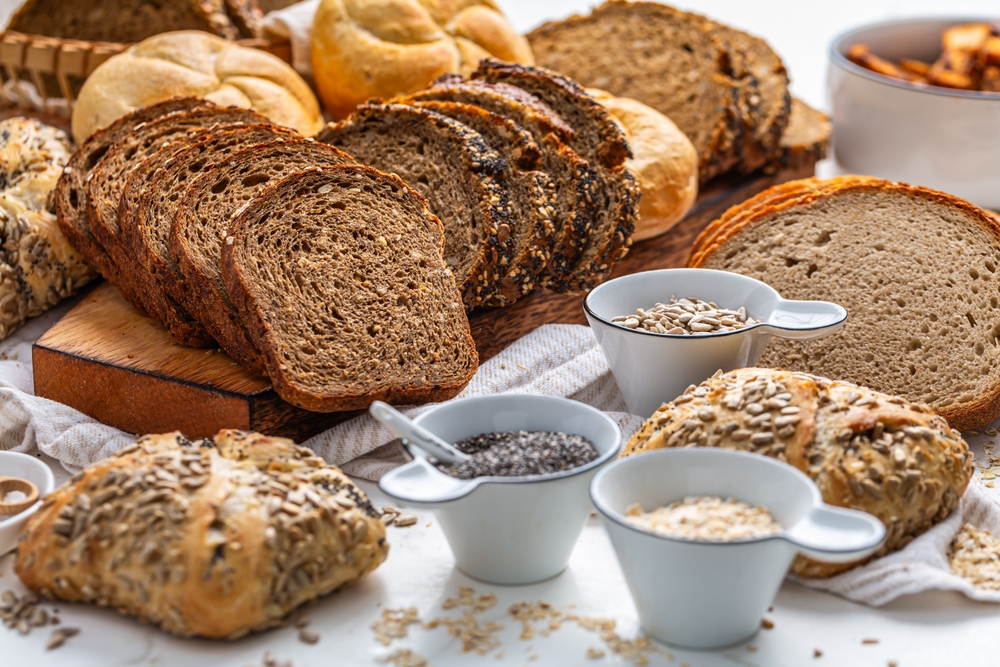
Complex carbohydrates like whole grains, legumes, and fiber-rich vegetables digest slowly, preventing blood sugar spikes and keeping hunger in check. Unlike refined carbs, they provide sustained energy without intense cravings.
Protein Supports Metabolism and Fullness
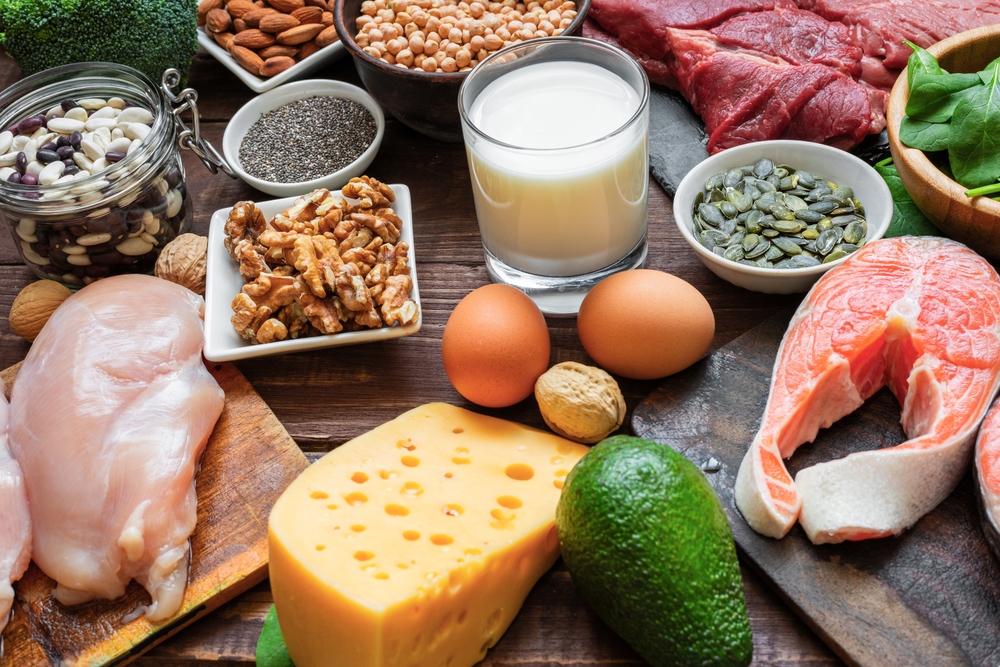
Protein is essential for maintaining muscle mass and promoting satiety. Lean meats, fish, eggs, and plant-based proteins help prevent muscle loss and keep you feeling full for longer.
Healthy Fats Are Important for Hormonal Balance

Contrary to old dieting myths, fats are not the enemy. Healthy fats from sources like avocados, nuts, and olive oil support hormone production, brain function, and overall health, making them a crucial part of a balanced diet.
Strength Training Boosts Fat Loss

Exercise is just as important as diet when it comes to long-term weight management. Strength training helps preserve muscle mass and increases metabolism, making it easier to maintain a healthy weight.
Extreme Dieting Often Leads to Weight Regain
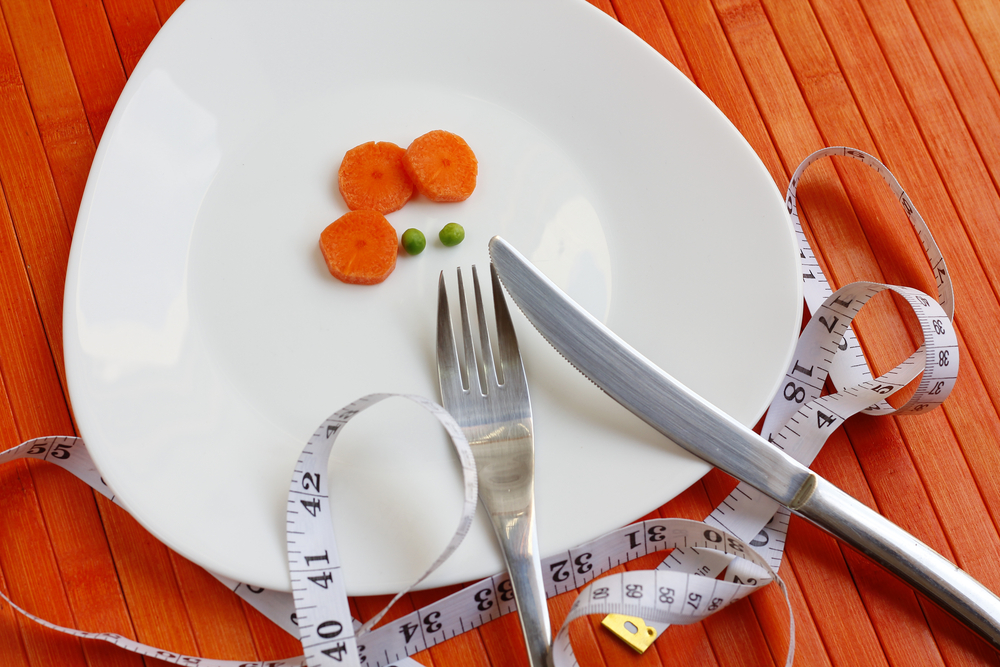
Rapid weight loss through extreme diets often results in “yo-yo dieting,” where lost weight is quickly regained. By adopting a more balanced and sustainable approach, long-term weight maintenance becomes much easier.
The article is based on information from News Medical.
This article is made and published by Mie Hermansen, who may have used AI in the preparation.