
Canned beans are a staple in many kitchens for a reason – they’re nutritious, affordable, and convenient.
However, skipping the rinsing step before using them might mean missing out on several important benefits.
Removes excess sodium
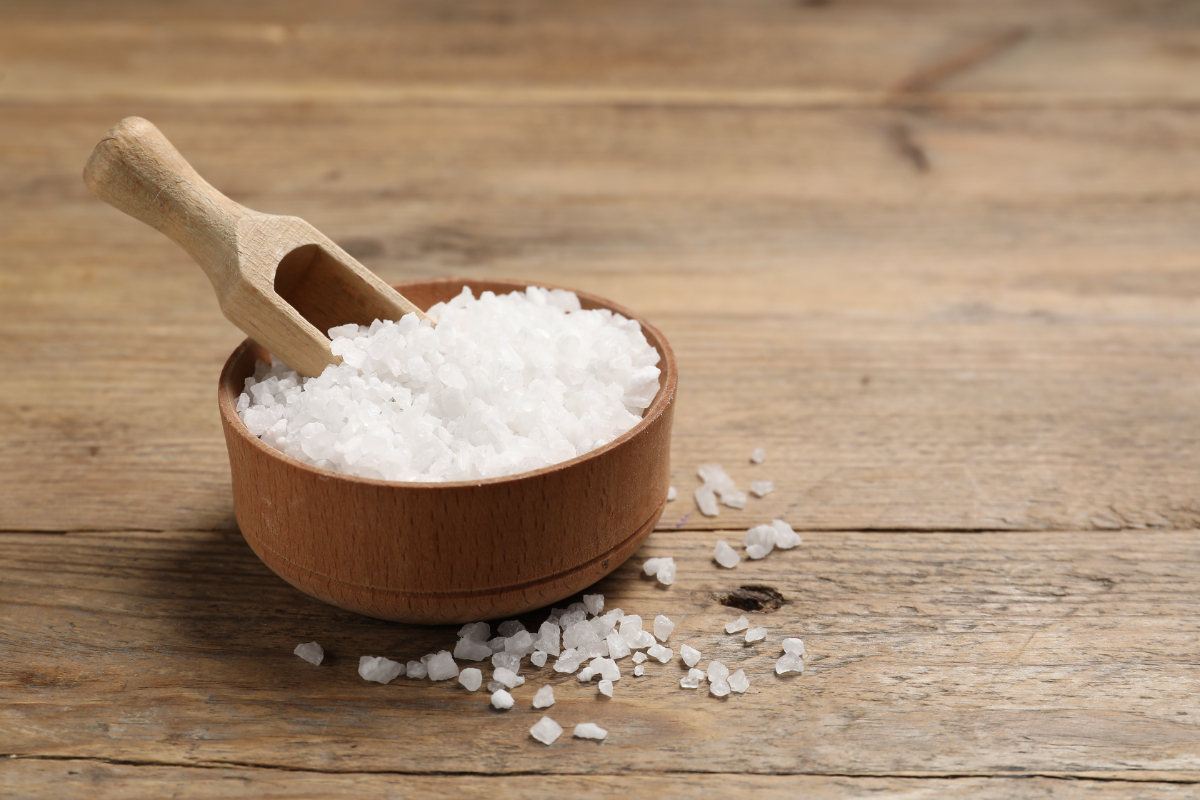
Canned beans often contain high amounts of sodium, which can be harmful in large quantities.
Rinsing can reduce the sodium content by up to 40 %, making the beans a healthier choice.
Improves taste and texture
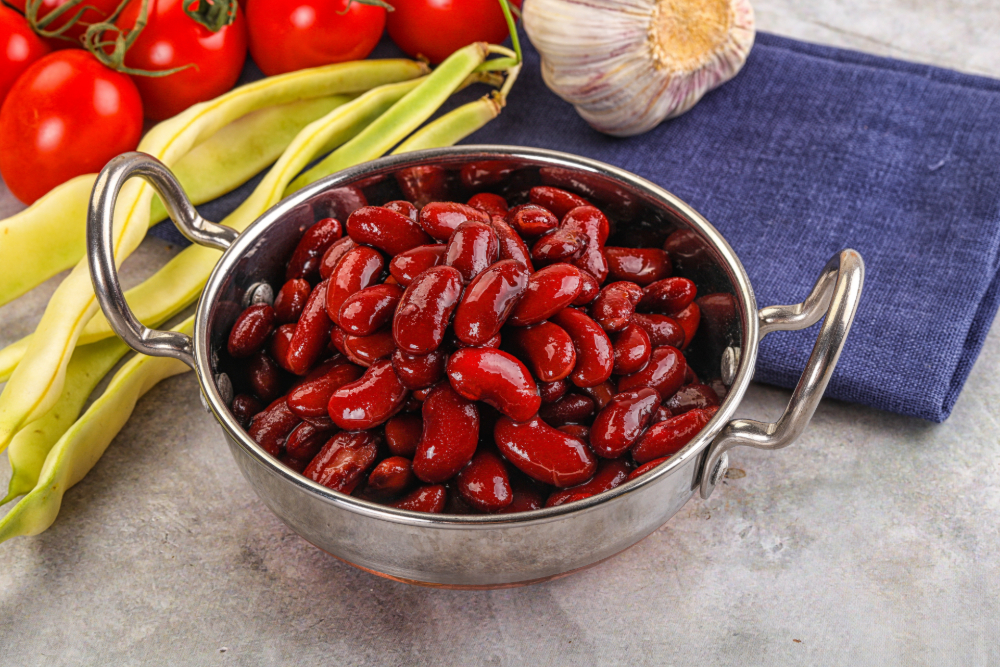
The thick liquid surrounding canned beans can give them an unappealing taste and make them sticky.
Rinsing removes this liquid, ensuring a fresher flavor and firmer texture.
Reduces bloating and gas

Beans contain FODMAPs, a type of carbohydrate that can cause bloating and digestive discomfort.
Rinsing helps remove some of these compounds, making beans easier to digest.
Washes away preservatives

Many canned beans contain additives to extend their shelf life.
By rinsing them, you can remove some of these chemicals and enjoy a more natural product.
Prevents a slimy consistency in dishes

Adding unrinsed beans to soups or salads can make the dish thicker and stickier than desired.
Rinsing helps maintain a more appealing texture.
Enhances seasoning absorption
The liquid in canned beans can create a barrier that prevents spices and dressings from sticking properly. Rinsed beans absorb flavors better, making your meals tastier.
Supports better digestion

Rinsing gets rid of compounds that can be difficult to digest, especially for those with sensitive stomachs. This can make beans easier on your digestive system.
Eliminates metallic taste
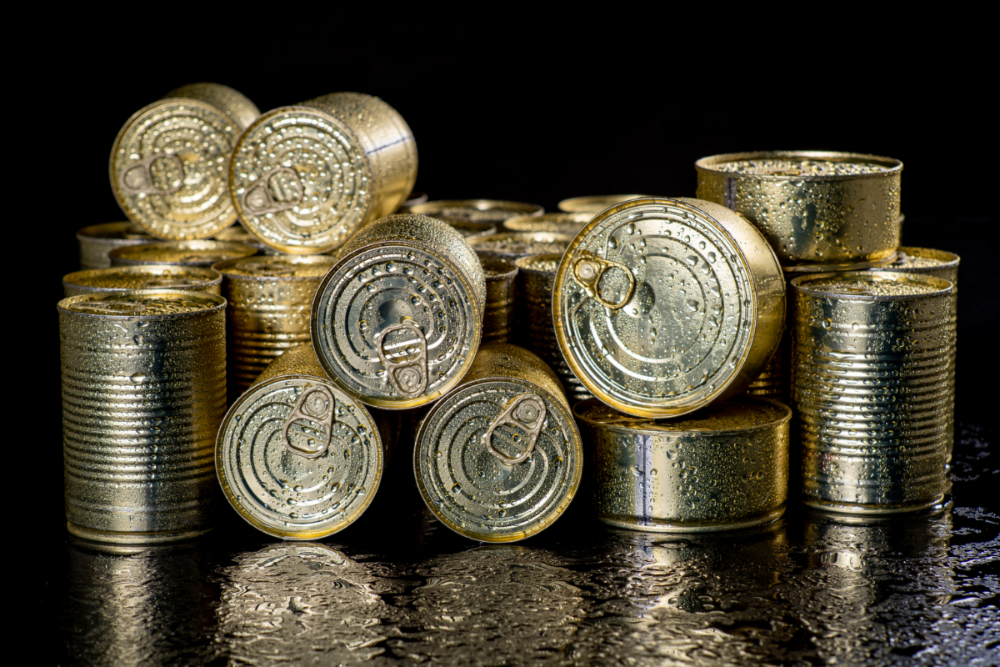
Some canned beans may have a slight metallic taste from the can itself. Rinsing helps wash away this flavor, leaving the beans with a more neutral taste.
Preserves nutrients more effectively
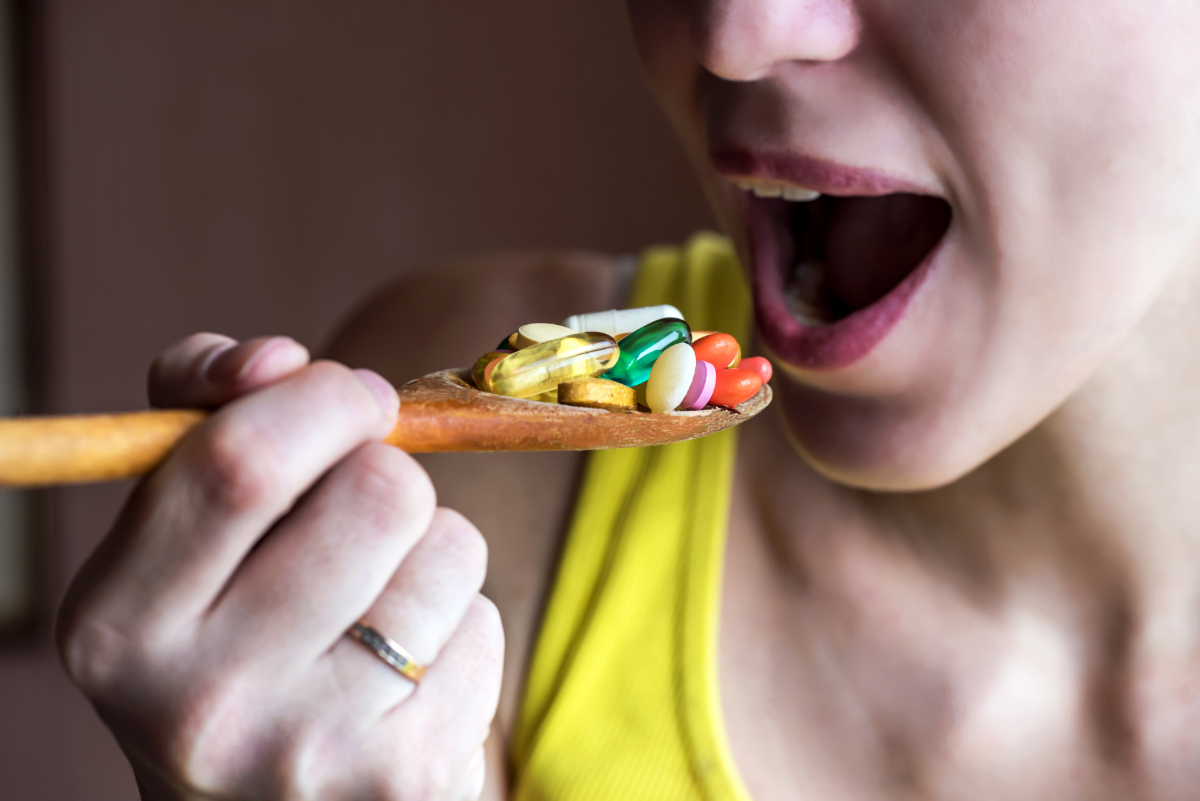
While rinsing removes a small amount of water-soluble vitamins, it also eliminates unwanted substances, making it easier for your body to absorb the beneficial nutrients in beans.
Takes little effort for big benefits
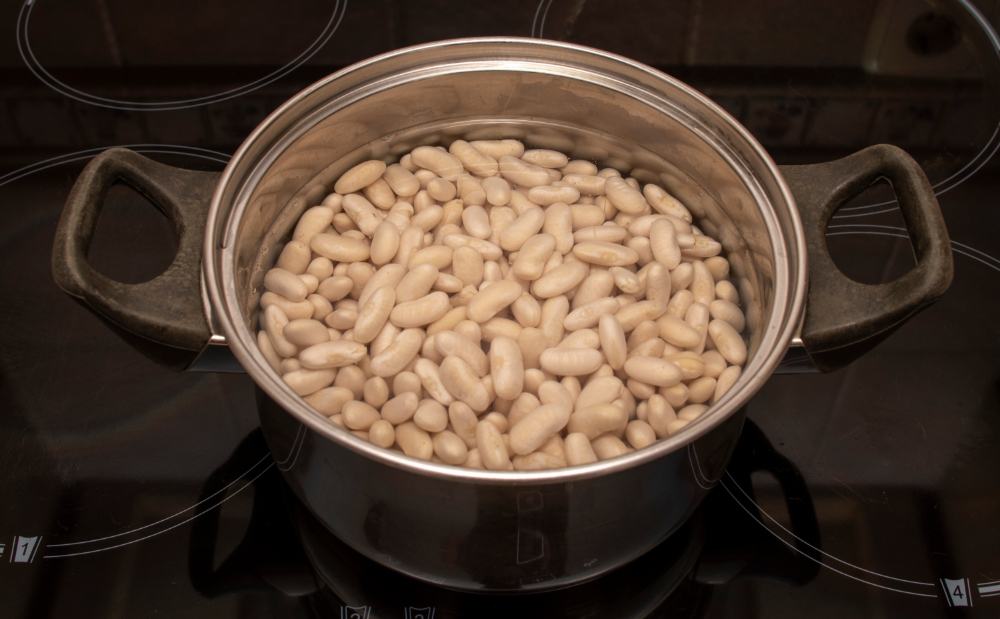
Rinsing canned beans takes only a few seconds, yet it can improve taste, health benefits, and digestion. A small step that makes a big difference.
This article is based on information from Health.
This article is made and published by Ida-Marie Palm Varbæk, who may have used AI in the preparation.