
Falls are a major concern for older adults, with millions seeking emergency care each year due to fall-related injuries.
While aging naturally increases the risk of falling, many factors contribute to the likelihood of a fall.
Understanding these factors and taking preventative steps can help reduce the risk.
Previous falls increase the risk
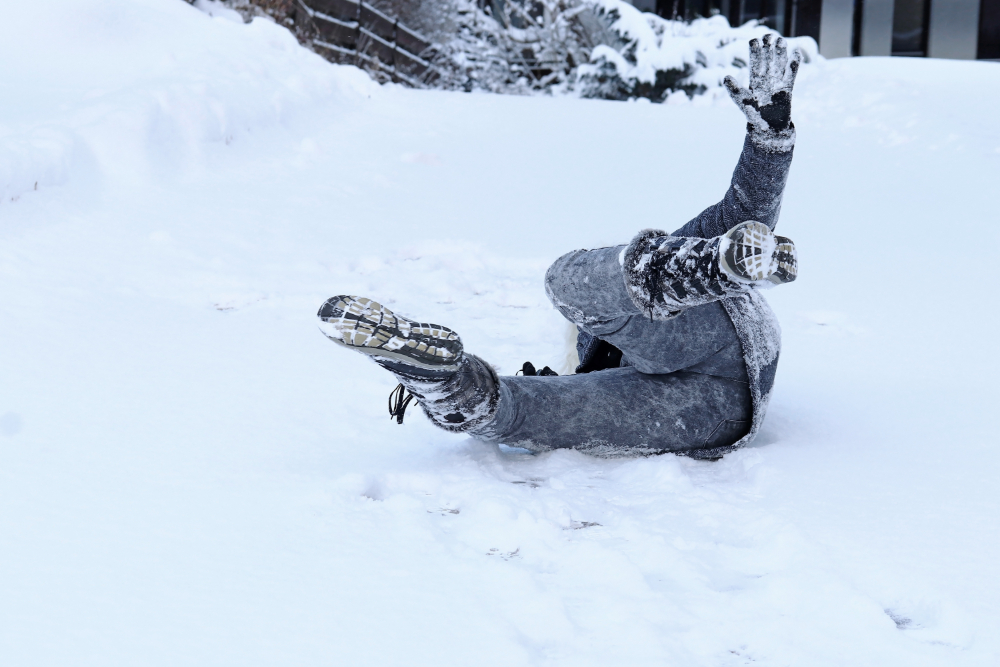
Older adults who have fallen before are more likely to fall again. A history of falls is one of the strongest predictors of future falls.
Poor lighting at home
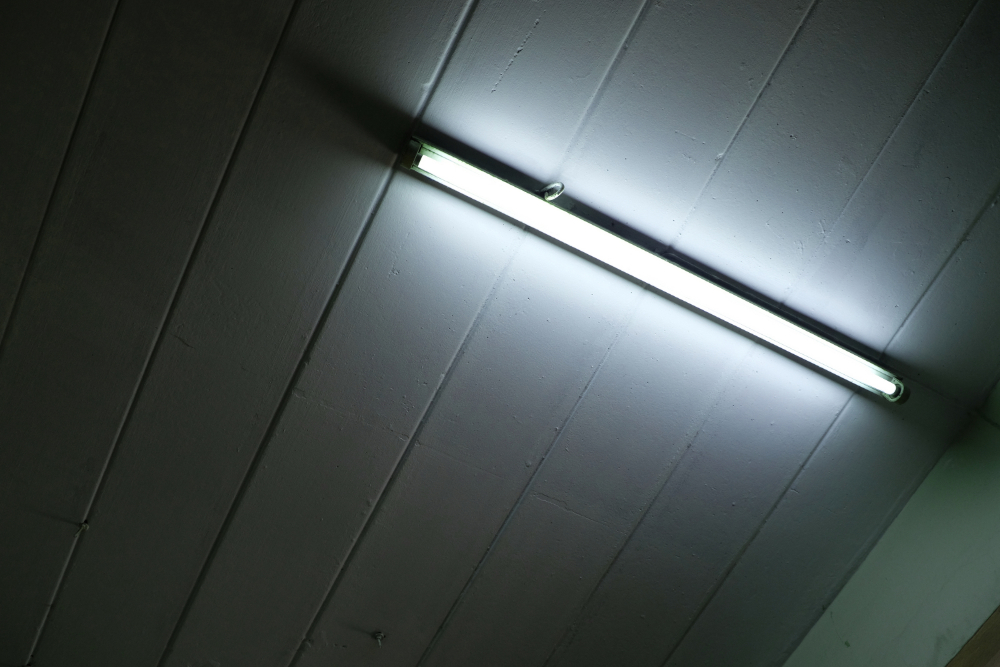
Dimly lit areas make it harder to see potential hazards. Ensuring proper lighting in hallways, staircases, and bathrooms can help prevent falls.
Cluttered living spaces
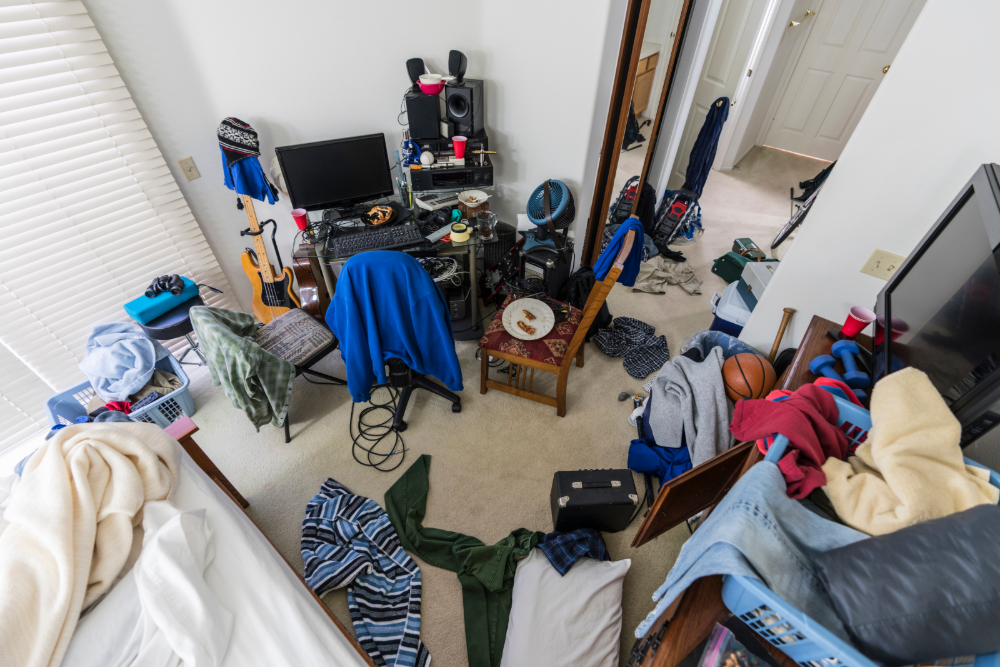
Objects like loose rugs, electrical cords, and misplaced furniture increase the chances of tripping. Keeping walkways clear can significantly reduce fall risk.
Muscle weakness and balance issues
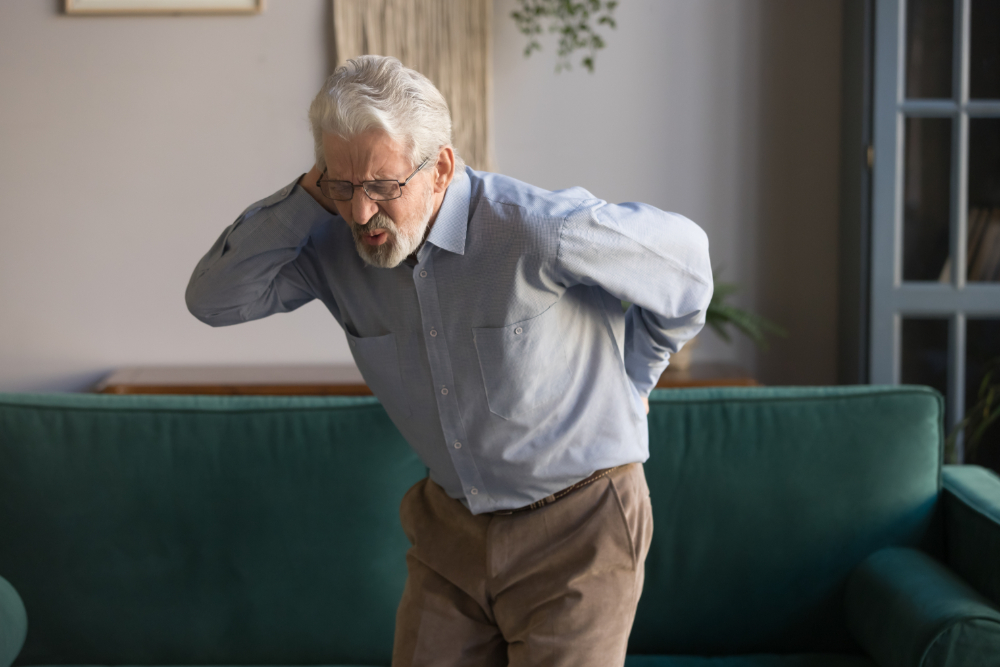
Health conditions that cause muscle weakness or poor balance make falls more likely. Strength and balance exercises can help maintain stability.
Vision and hearing problems
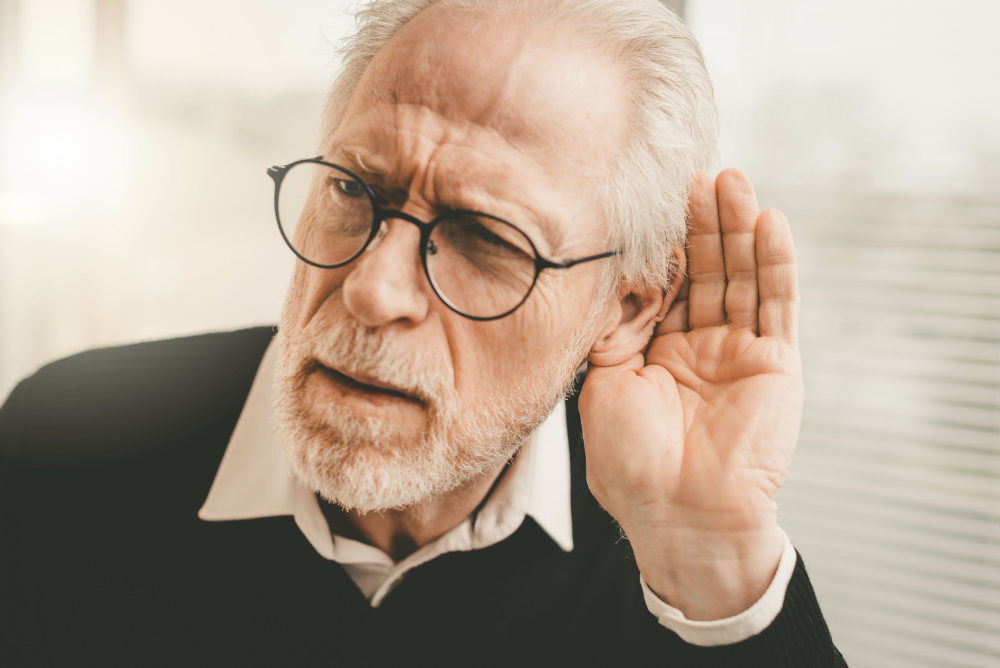
Difficulty seeing or hearing makes it harder to detect hazards. Regular eye and hearing exams can help prevent accidents.
Side effects from medication

Certain medications, including sedatives, antidepressants, and antihistamines, can cause dizziness, drowsiness, or impaired coordination, increasing fall risk.
Foot pain and improper footwear
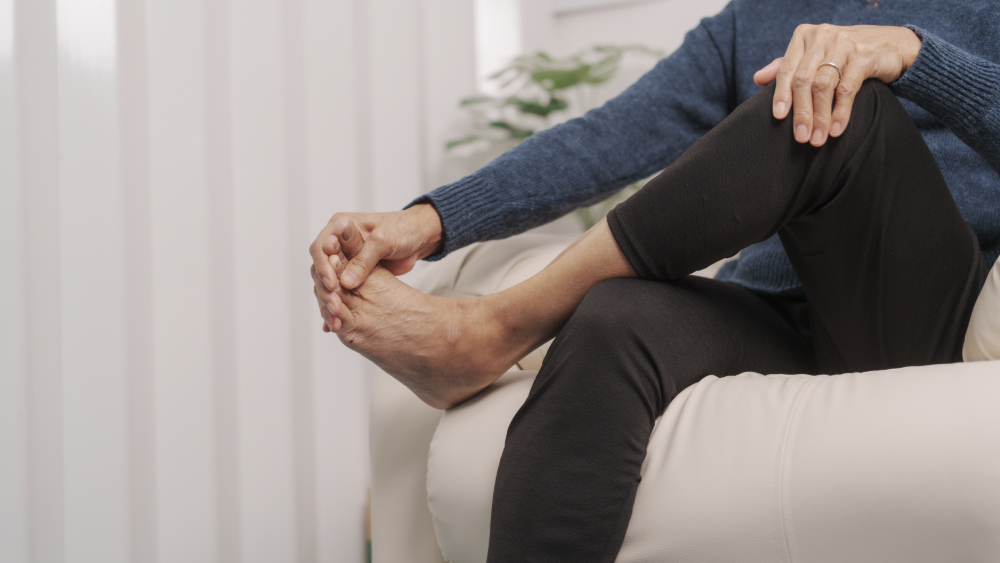
Walking barefoot, in socks, or in loose slippers can be hazardous. Supportive, slip-resistant shoes help prevent slipping and tripping.
Fear of falling leads to inactivity
After a fall, some older adults limit their movement out of fear. However, avoiding activity can weaken muscles and increase the risk of future falls.
Osteoporosis and fractures
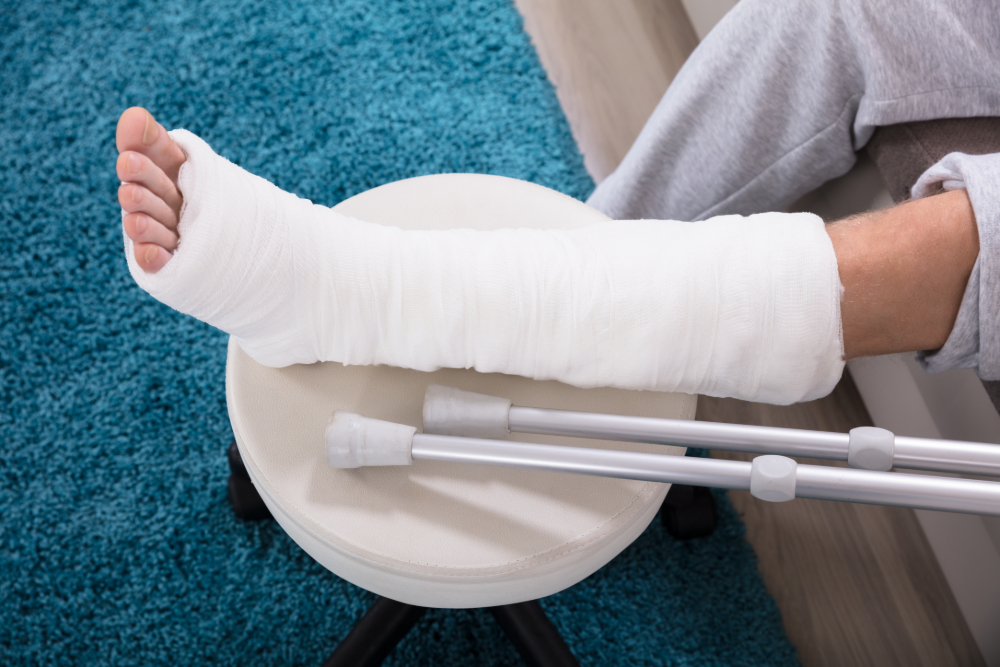
Weakened bones from osteoporosis make falls more dangerous. A simple stumble can lead to severe fractures, especially in the hip or wrist.
Home modifications can help
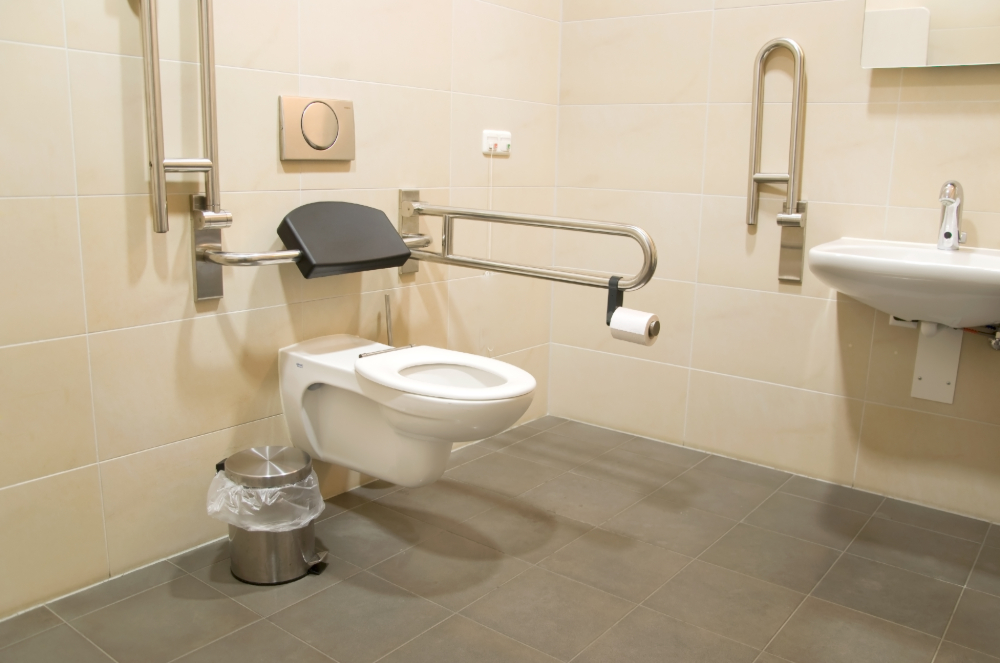
Adding handrails, non-slip mats, and grab bars in key areas like bathrooms and stairwells can make a home safer and reduce the risk of falls.
This article is based on information from WebMD.
This article is made and published by Ida-Marie Palm Varbæk, who may have used AI in the preparation.