
Tired of having short, damaged nails from constant biting? You’re not alone!
Many people struggle with this habit, whether it’s due to stress, boredom, or simply out of routine.
Fortunately, there are ways to break free. Here are some effective tips to help you stop biting your nails for good.
Identify the reason behind your nail-biting

Understanding why you bite your nails is the first step in stopping.
Whether it’s anxiety, boredom, or a subconscious habit, recognizing the cause will help you address it more effectively.
Keep your hands busy

If your hands are occupied, you’re less likely to bite your nails.
Try fidgeting with a small object like a stress ball, a pen, or even a piece of fabric to keep your fingers engaged.
Chew gum instead
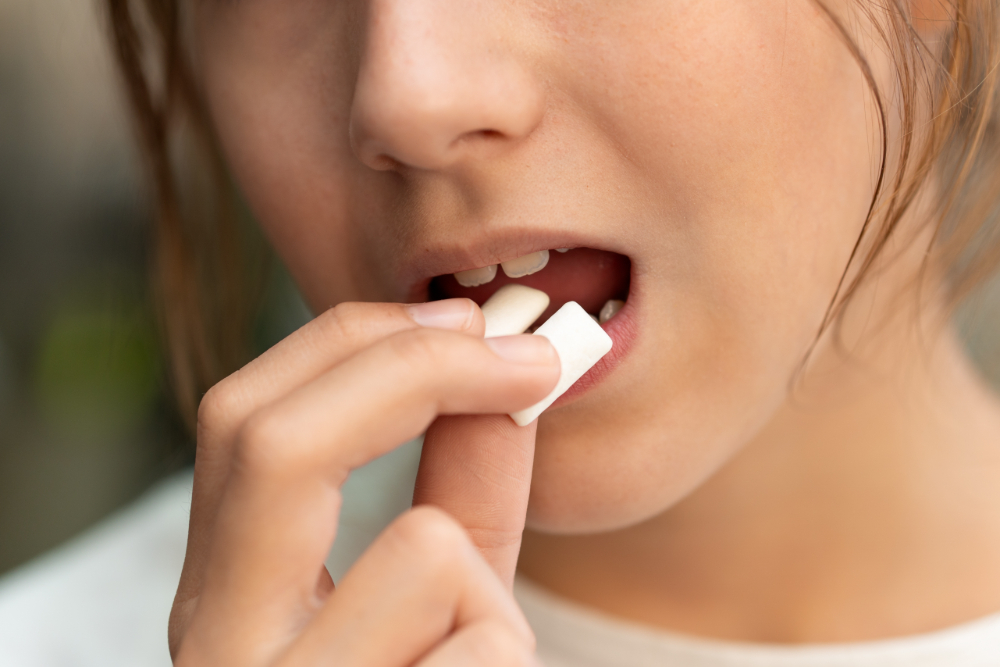
If you tend to bite your nails when you’re nervous or need something to do with your mouth, chewing gum can be a great alternative.
It keeps your mouth busy and helps reduce the urge to bite.
Trim your nails regularly
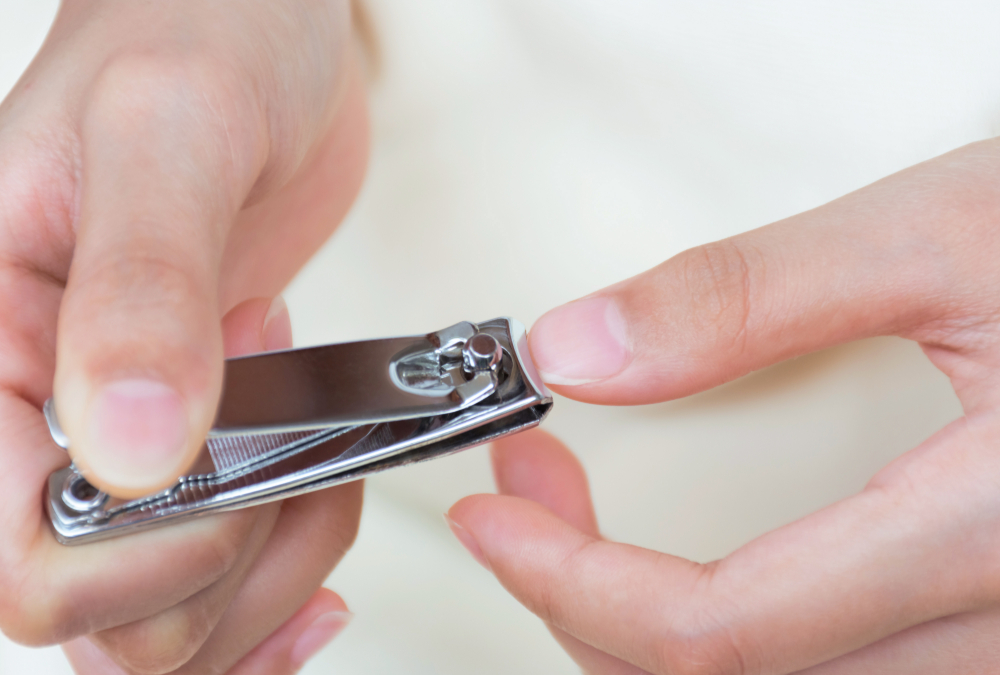
Keeping your nails short and well-maintained makes them less tempting to bite. If there’s nothing to bite, you’re more likely to break the habit.
Use bitter-tasting nail polish
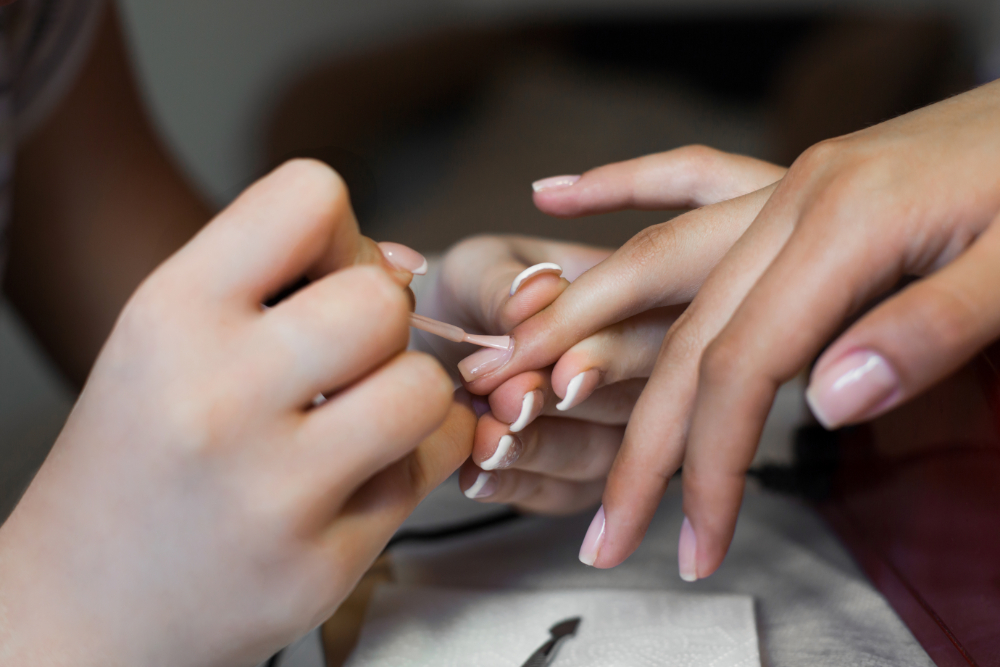
There are special nail polishes designed to taste unpleasant. Applying one to your nails can help deter you from biting due to the awful taste.
Wear gloves or bandages
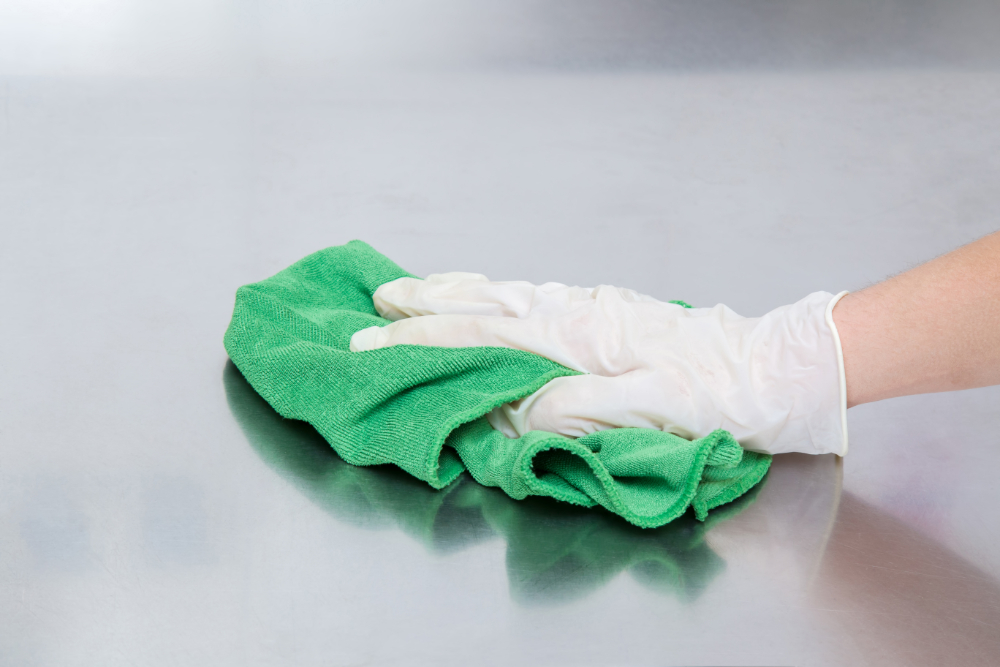
Covering your nails with gloves or bandages can prevent access to them. This is especially useful if you’re trying to break the habit during particularly stressful times.
Reward yourself for progress
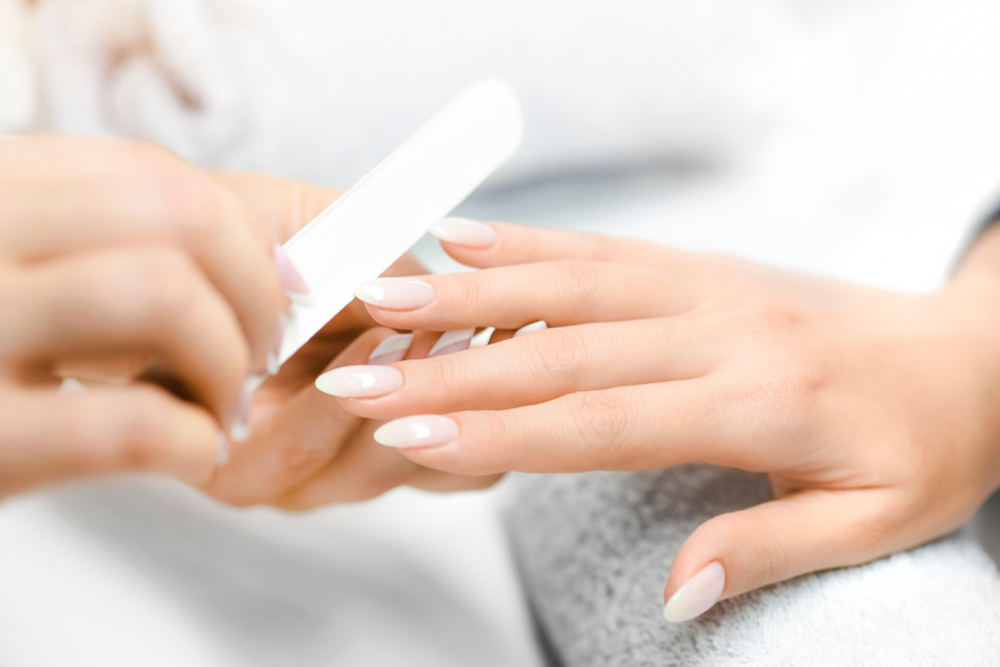
Set small goals and reward yourself when you achieve them. For example, if you go a whole week without biting, treat yourself to a manicure or something else you enjoy.
Keep your nails looking nice
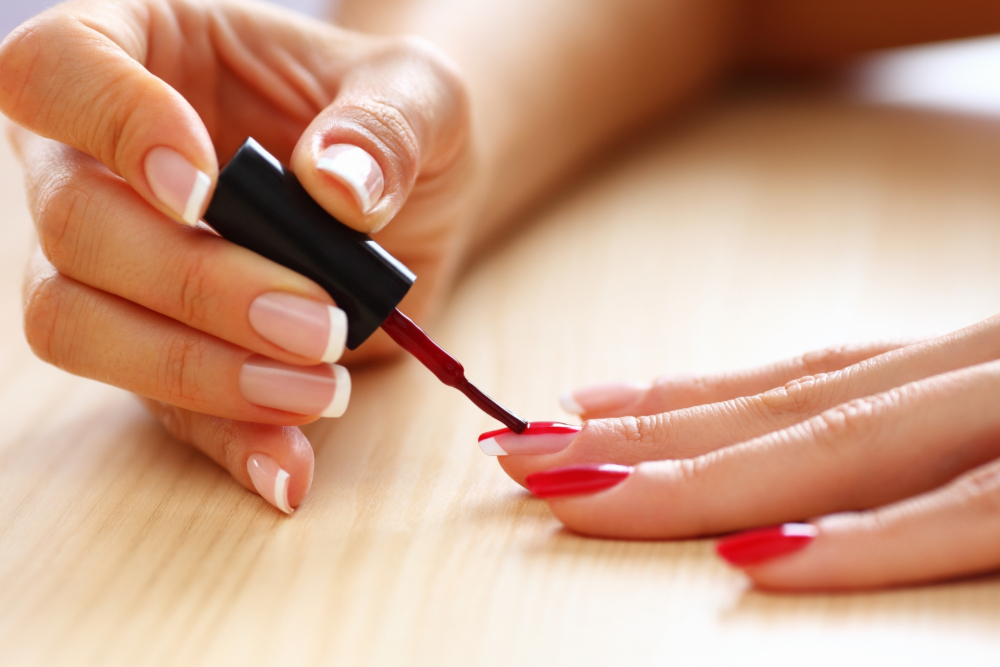
When your nails are well-groomed, you might be less inclined to ruin them by biting.
Consider getting regular manicures or applying nail strengtheners to make them look and feel healthier.
Practice stress management techniques

Since nail-biting is often linked to stress, finding ways to relax can help reduce the urge. Try meditation, deep breathing, or exercise to manage anxiety more effectively.
Take vitamins to strengthen your nails

If your nails are brittle and weak, you might be more tempted to bite them.
Supplements like B vitamins, calcium, and vitamin C can help strengthen your nails, making them less prone to breaking.
This article is based on information from Netdoktor.dk.
This article is made and published by Ida-Marie Palm Varbæk, who may have used AI in the preparation.