
The microwave is a kitchen staple in homes and offices, but a new study reveals it may be much dirtier than you think.
Researchers have discovered hundreds of bacteria types inside used microwaves—meaning if you’re not cleaning yours regularly, you could be unknowingly inviting a bacteria party.
Microwaves Don’t Always Kill Bacteria
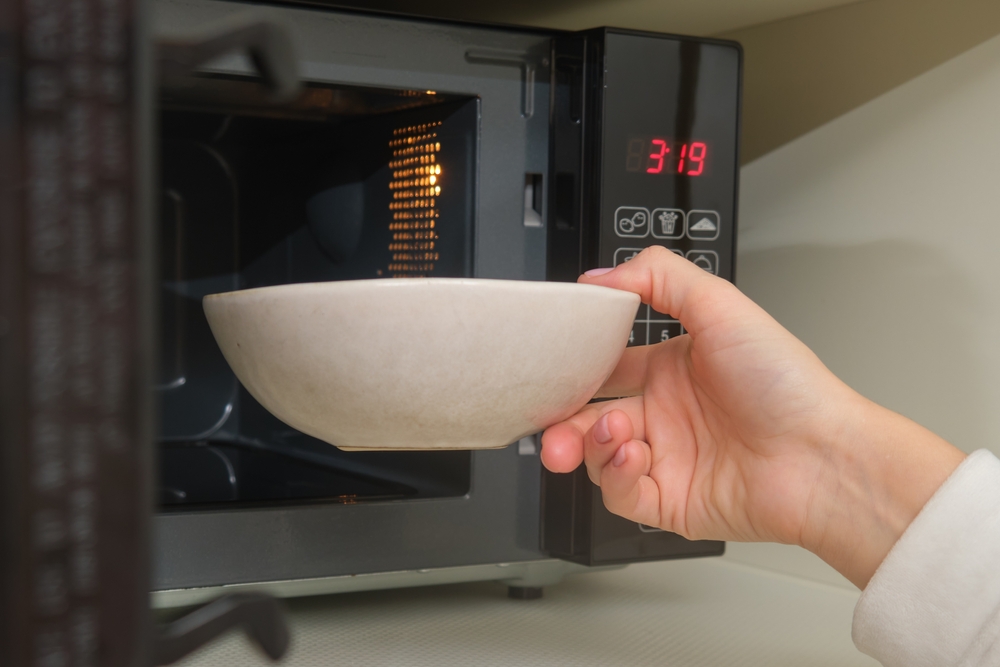
While microwaves heat food, they don’t necessarily kill all bacteria. Only when food reaches a high enough temperature can harmful microorganisms be eliminated.
30 Microwaves Revealed Shocking Results
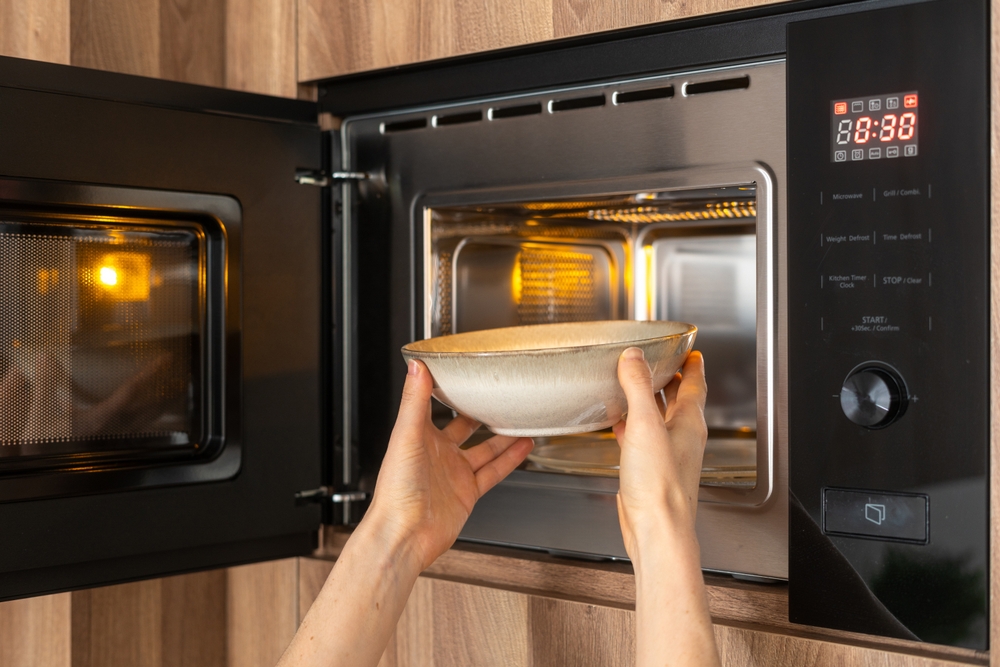
Scientists examined microwaves from private homes, offices, and laboratories—finding a staggering 747 different bacterial species. Surprisingly, laboratory microwaves had the highest bacterial diversity.
Your Microwave Is Just Like Any Other Kitchen Surface
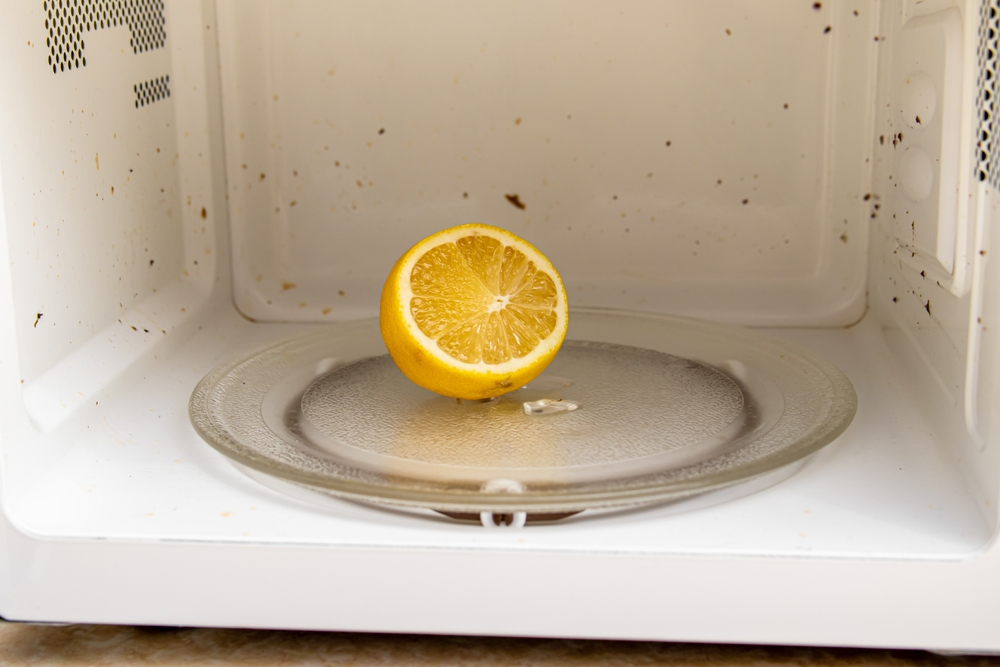
Researchers previously believed microwaves were inhospitable environments for bacteria, but the study shows they can be just as contaminated as other kitchen surfaces.
Most Bacteria Come from Your Hands
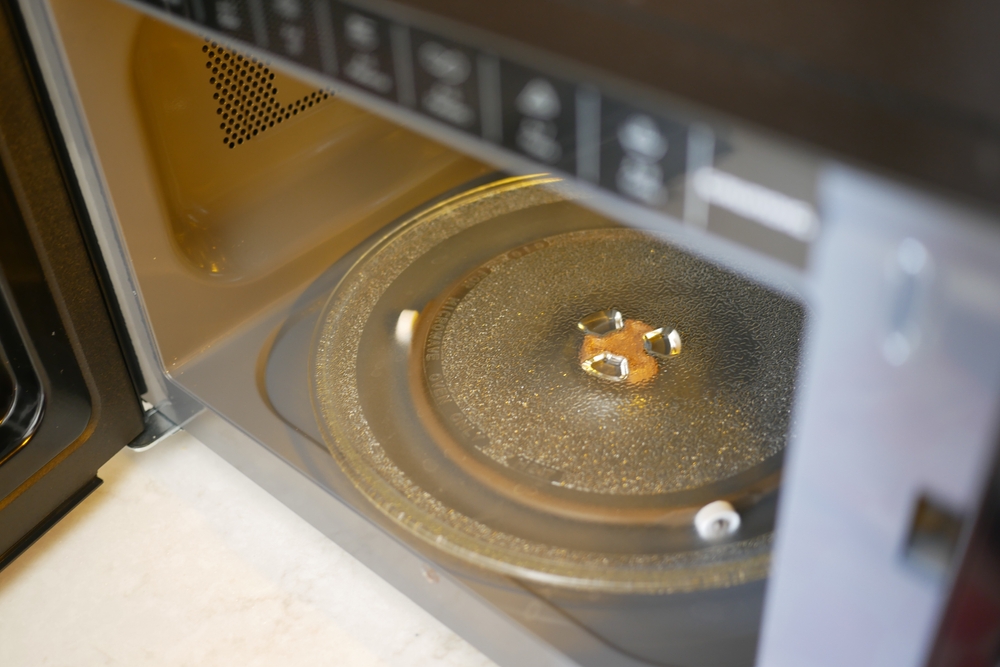
In home microwaves, the most common bacteria were those typically found on human hands or kitchen surfaces—suggesting that poor hand hygiene contributes to contamination.
Don’t Forget the Door and Buttons
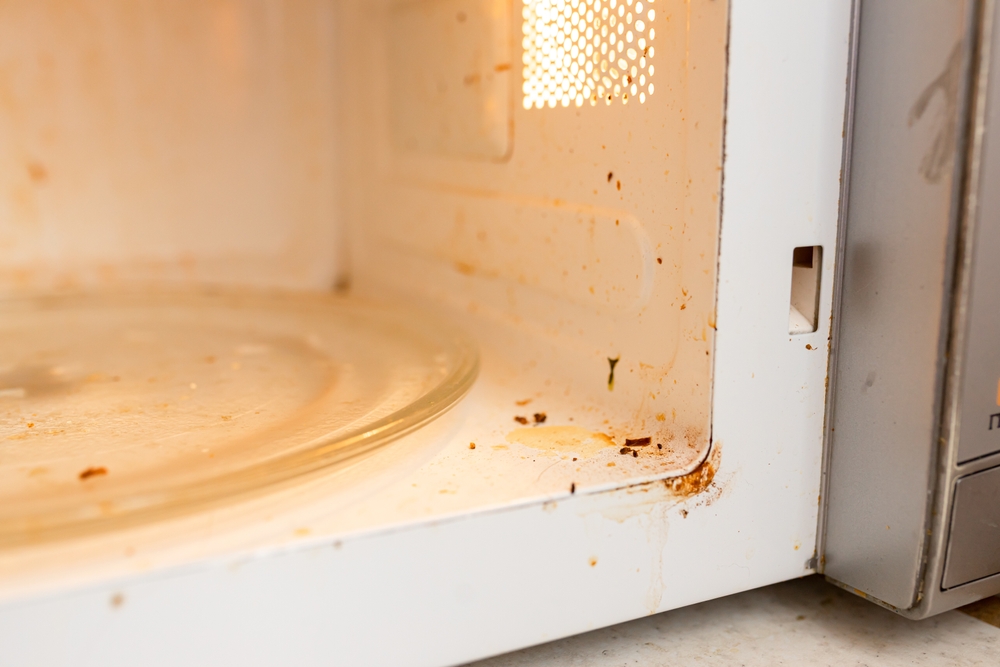
Many people only clean the inside of their microwave, but bacteria also accumulate on the door handle and control panel, which are touched multiple times a day.
Shared Microwaves Are the Worst
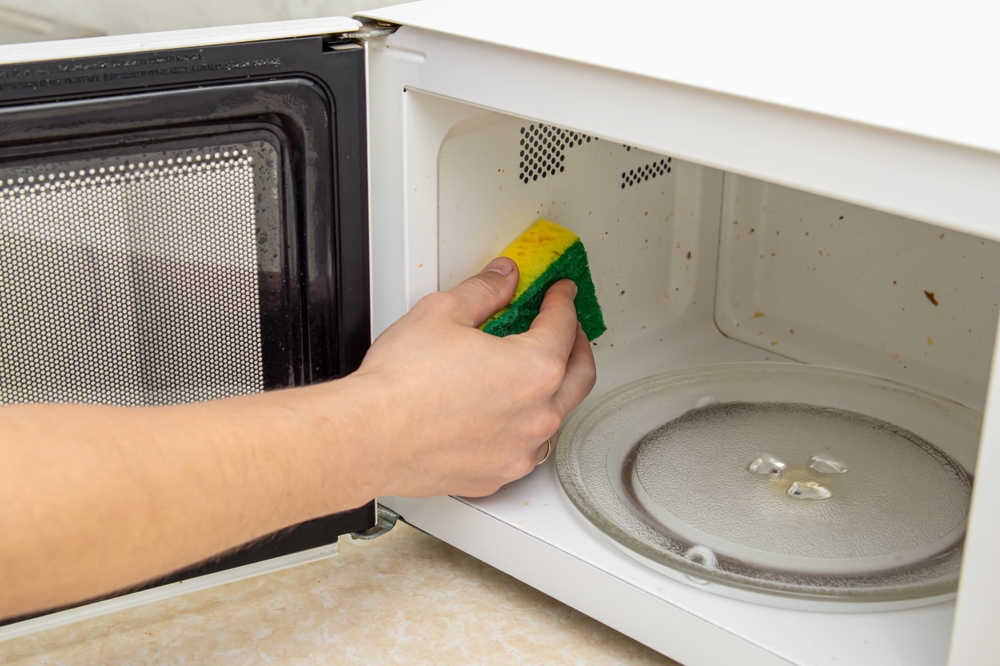
Microwaves in communal spaces—such as offices—had a greater variety of bacteria, likely due to multiple users with different hygiene habits.
Not Just a Health Risk – Also a Source of Bad Odors
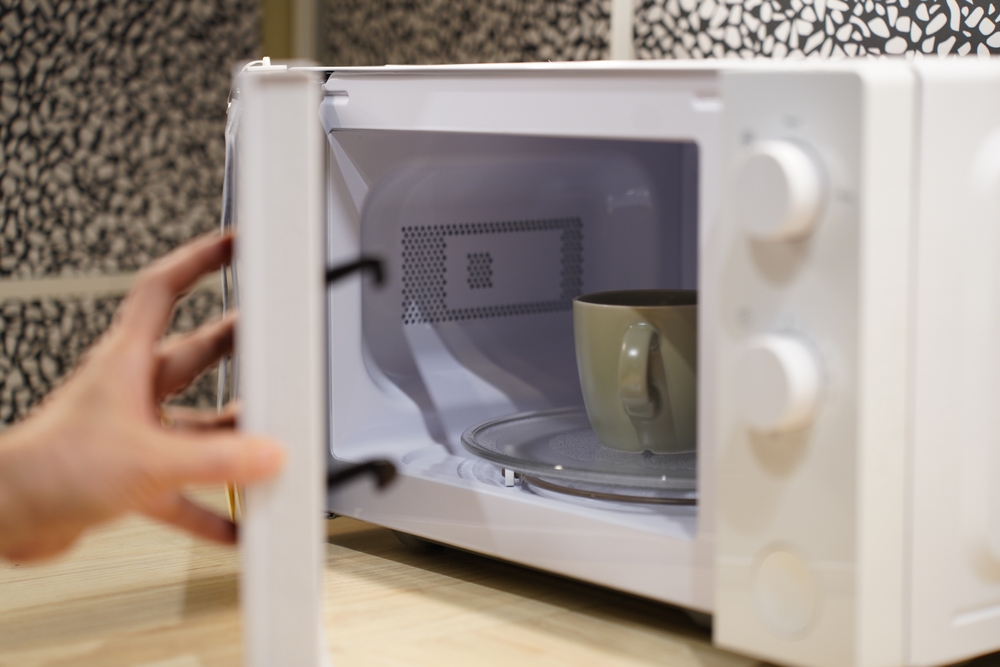
A dirty microwave doesn’t just harbor bacteria; it also traps food residue and moisture, creating unpleasant smells and potentially affecting the taste of your meals.
How to Keep Your Microwave Clean
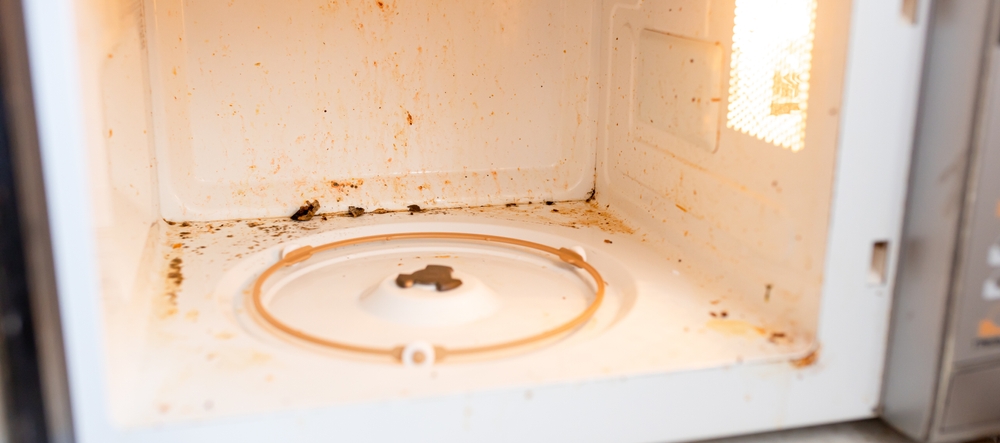
To prevent bacterial buildup, clean your microwave at least once a week. Heat a mixture of vinegar and water inside for a few minutes, then wipe down all surfaces thoroughly.
Always Heat Your Food Properly
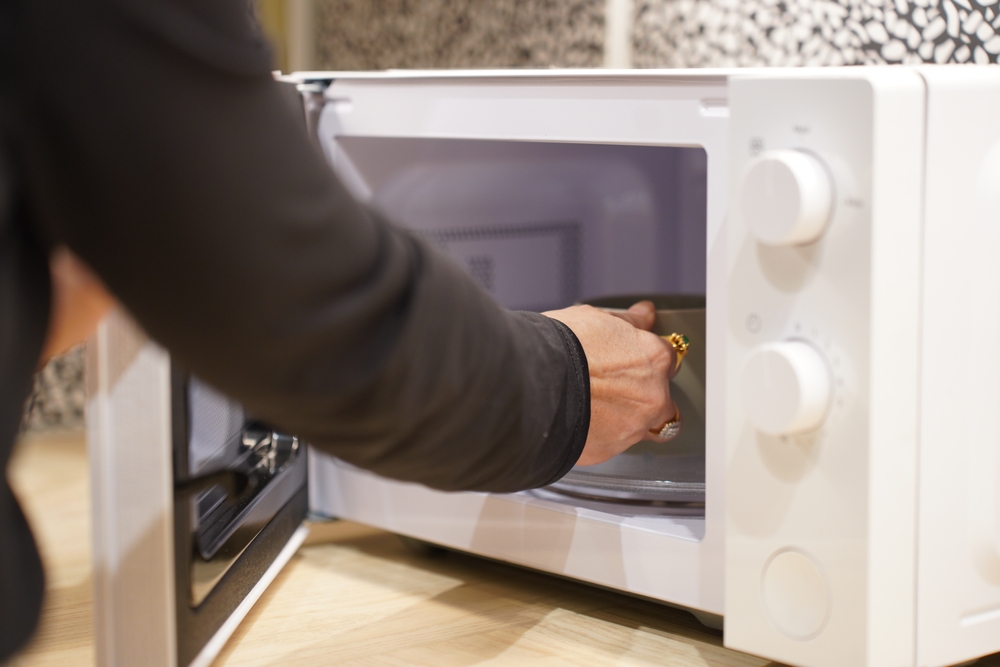
To minimize bacterial risks, ensure your food is heated evenly. Stir halfway through heating to distribute warmth more effectively.
Microbiologist’s Clear Warning
According to researcher Manuel Porcar from the University of Valencia, we shouldn’t assume that a microwave is a cleaner environment than other kitchen surfaces. It needs regular cleaning—just like the rest of the kitchen.
This article is based on information from Videnskab.dk
This article is made and published by Mie Hermansen, who may have used AI in the preparation.