
The definition of death may seem straightforward, but advancements in medical science have blurred the lines between life and death.
Today, determining the exact moment when a person is considered dead is more complex than ever.
Some countries recognize brain death, while others focus on heart and lung function. This uncertainty raises ethical questions, especially regarding organ donation and life support.
The heart stops beating

Traditionally, death was defined by the absence of a heartbeat. If the heart stops pumping blood, oxygen supply to the brain ceases, leading to cell death.
Breathing ceases

Before medical technology advanced, doctors determined death by checking for signs of breathing. Today, ventilators can artificially maintain breathing even when brain function has ceased.
Brain death
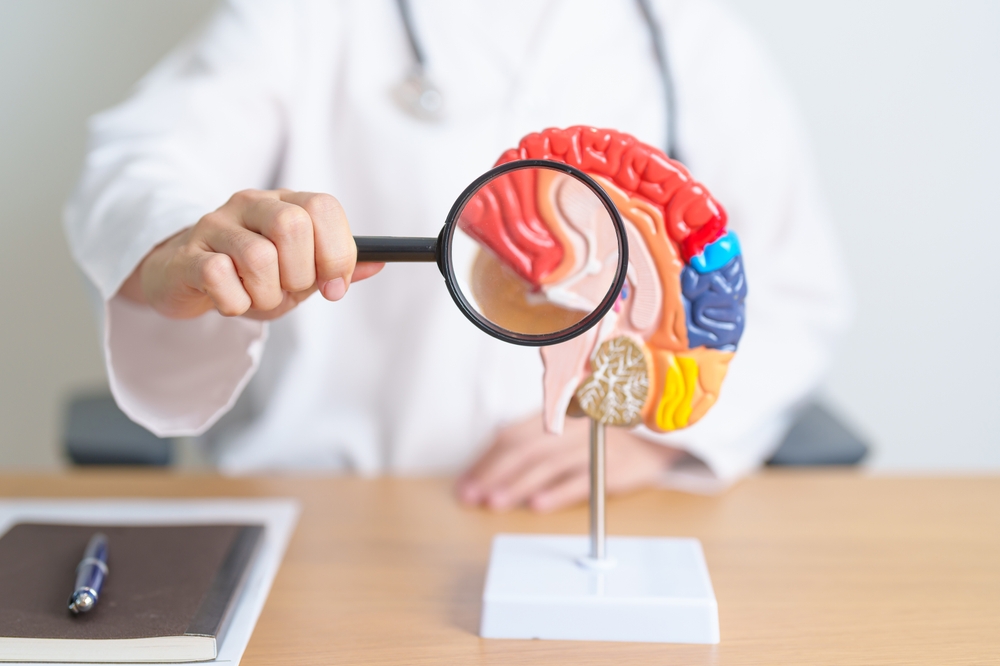
A person can be declared dead if their brain shows no activity. This definition is widely accepted in modern medicine but is still debated in some regions.
The brainstem shuts down
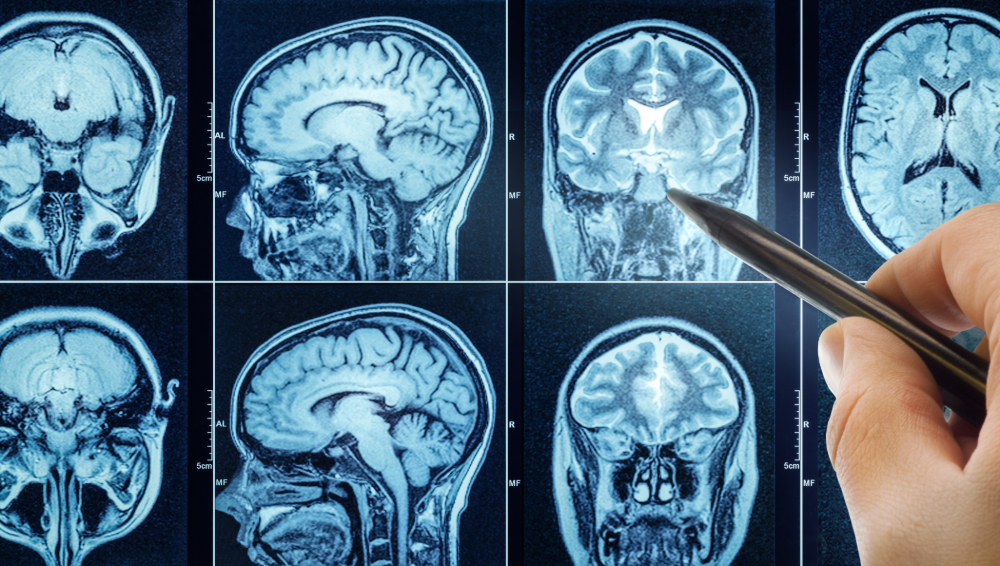
Some countries define death based on the brainstem’s activity. This part of the brain controls vital functions like breathing and consciousness. If it stops working, recovery is impossible.
Lack of reflexes

Doctors test for certain reflexes to determine brain death. The absence of pupil response to light and no reaction to pain are strong indicators.
Organ donation protocols

A person must be officially declared dead before their organs can be removed for transplantation. This process varies between countries and is a key factor in medical ethics debates.
The role of life support machines

Ventilators and other machines can keep a person’s body functioning even after brain activity has stopped. Deciding when to turn off life support can be controversial.
Legal definitions of death

Different countries have different legal definitions of death. In some places, a person is considered dead based on heart failure, while others accept brain death as the deciding factor.
Time of death variations

A person can be declared dead at different times depending on the location. In some cases, a patient may be legally dead in one country but considered alive in another due to differing medical criteria.
Ethical and religious perspectives

Some religions do not recognize brain death and believe that as long as the heart is beating, a person is still alive. This can complicate end-of-life decisions for families and doctors.
The article is based on information from Videnskab.dk
This article is made and published by Mie Hermansen, who may have used AI in the preparation.