
Blood donation saves lives, but not all blood types are compatible.
Mixing incompatible blood types can lead to severe reactions, making it crucial to know who you can donate to.
Here’s a breakdown of which blood types match.
Blood type O: The universal donor
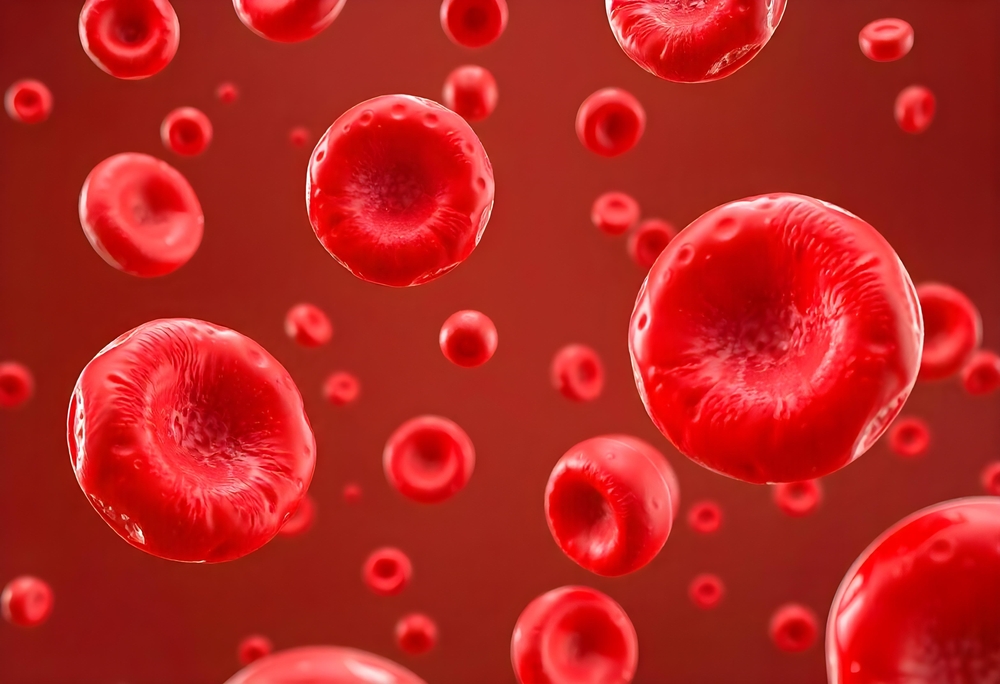
People with blood type O can donate to all blood types (A, B, AB, and O). This makes them universal donors, especially those who are Rh-negative.
Blood type A: Limited compatibility

Individuals with blood type A can donate to those with type A or AB. They cannot donate to type B or O recipients due to antigen differences.
Blood type B: Compatible with B and AB
Those with blood type B can donate to recipients with type B or AB. They cannot donate to type A or O due to incompatibility.
Blood type AB: Universal plasma donor

People with blood type AB can receive blood from all other types but can only donate to other AB recipients. However, they can donate plasma to anyone.
Rh factor matters
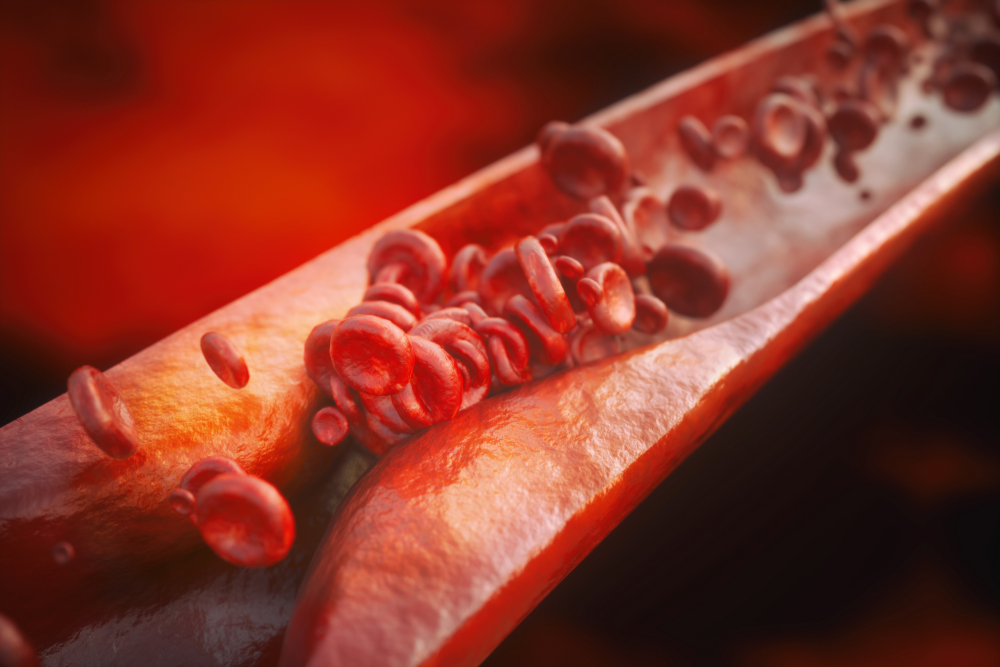
If you are Rh-negative, you can donate to both Rh-positive and Rh-negative recipients. However, Rh-positive blood cannot be given to Rh-negative recipients.
The rarest blood type
The rarest blood type is AB Rh-negative. People with this type can only receive blood from AB, A, B, or O Rh-negative donors.
The most common blood type
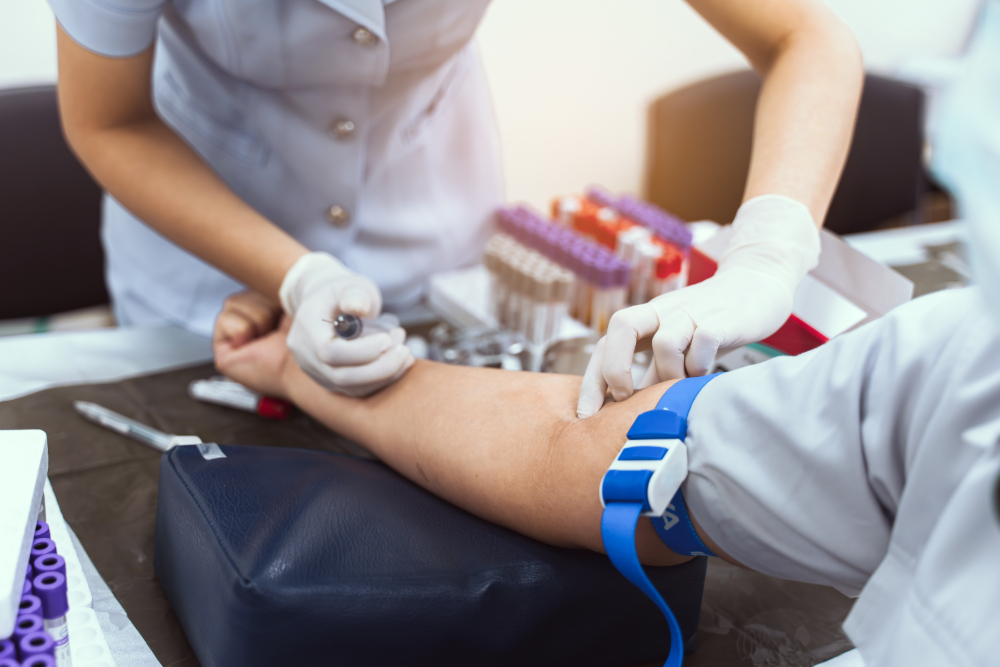
A Rh-positive is the most common blood type, making it easier for individuals with this type to find compatible donors.
Why blood type matching is critical

If a patient receives an incompatible blood type, their immune system may attack the donor blood, causing severe reactions or even death.
Emergency universal blood type

In life-threatening situations where blood type cannot be determined, type O Rh-negative blood is used since it is safe for all recipients.
The importance of blood type testing

Before any transfusion, both donors and recipients undergo blood type testing to ensure compatibility and prevent dangerous immune responses.
This article is based on information from Netdoktor.
This article is made and published by Ida-Marie Palm Varbæk, who may have used AI in the preparation.