
Estrogen affects everything from fertility and menstrual cycles to mood, bone strength, and skin elasticity.
But what happens when estrogen levels become too high or too low? Here’s what you need to know.
What is estrogen?
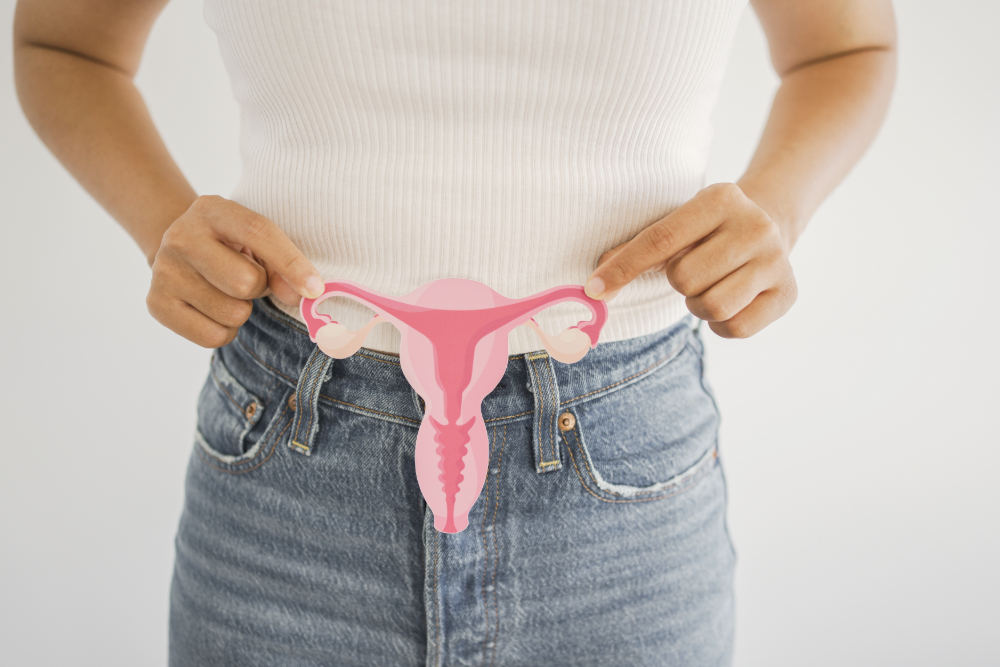
Estrogen is one of the primary female sex hormones.
It is mainly produced in the ovaries and plays a crucial role in regulating the menstrual cycle and developing female characteristics.
The role of estrogen in the body
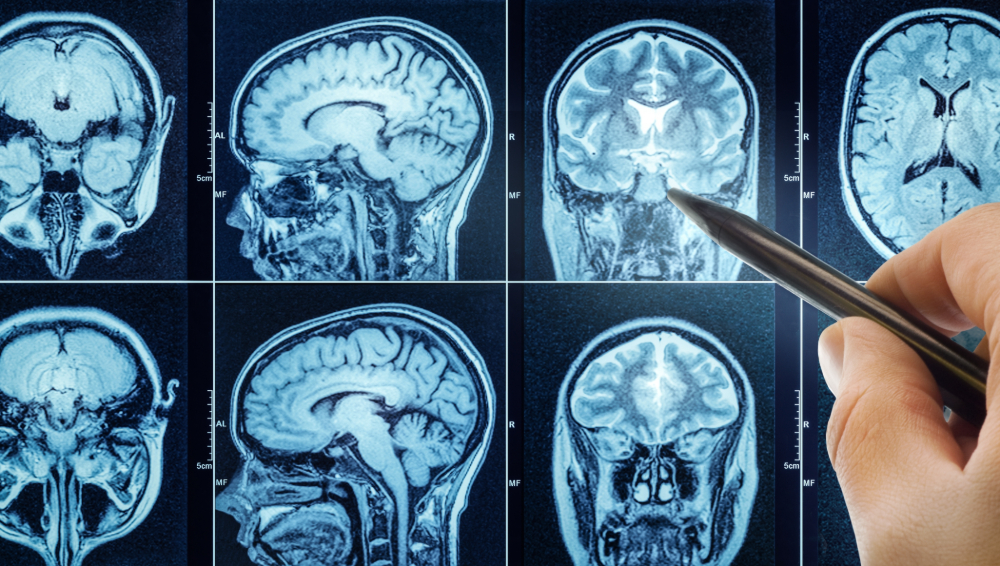
This hormone has a wide range of functions beyond fertility. It influences bone strength, brain function, heart health, and even skin condition.
Estrogen and the menstrual cycle

Throughout the monthly cycle, estrogen levels fluctuate significantly.
They peak around ovulation and drop before menstruation, which can affect mood and energy levels.
Where is estrogen produced?
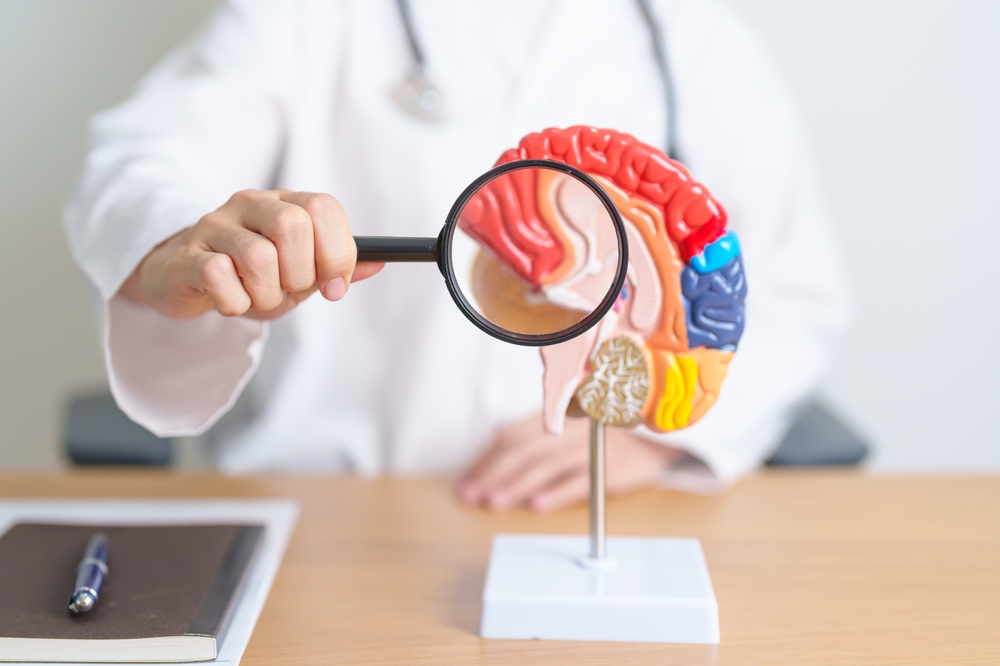
Estrogen production is regulated by the brain, specifically the hypothalamus and pituitary gland.
These send signals to the ovaries, instructing them to release estrogen into the bloodstream.
When is estrogen at its highest?

Estrogen levels are highest during a woman’s most fertile years – typically from the late teenage years to around 30. After 35, levels gradually begin to decline.
Symptoms of low estrogen

When estrogen levels drop, it can lead to hot flashes, fatigue, vaginal dryness, reduced bone density, and mood swings.
Menopause is the most common cause of low estrogen, but factors like low body weight, stress, and certain illnesses can also contribute.
Treatment for low estrogen

Hormone therapy can help women experiencing early menopause or severe symptoms.
Alternatively, lifestyle changes such as a healthy diet, regular exercise, and stress management can positively impact estrogen levels.
Estrogen dominance – when levels are too high

Excess estrogen in the body can cause symptoms like water retention, mood swings, headaches, and heavy periods.
Obesity and hormonal imbalances are common causes of elevated estrogen levels.
Does estrogen therapy increase cancer risk?

Long-term hormone therapy slightly increases the risk of breast cancer, but the risk is relatively small.
Doctors recommend taking estrogen supplements at the lowest effective dose and for the shortest possible duration.
Eat your way to hormonal balance
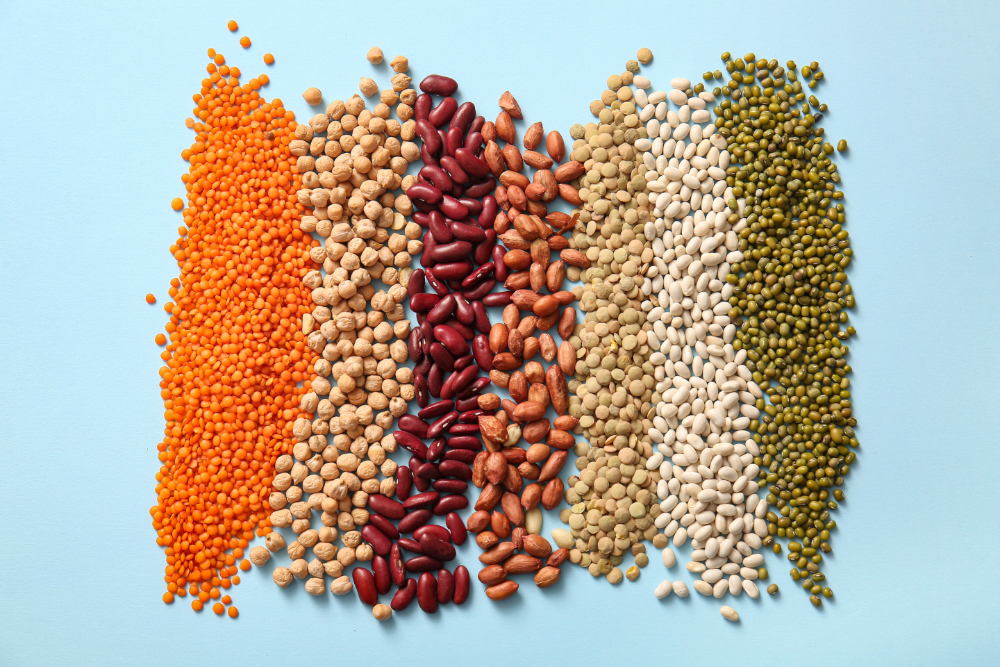
Foods like soy products, flaxseeds, cruciferous vegetables, and legumes contain plant estrogens, which may help regulate estrogen levels.
A balanced and nutritious diet can be a natural way to support hormonal health.
This article is based on information from iForm.
This article is made and published by Ida-Marie Palm Varbæk, who may have used AI in the preparation.