
Marriage and weight gain may be more connected than you think. A new study sheds light on the unexpected ways tying the knot can affect men’s health – particularly their waistlines.
Married men face a heavier truth
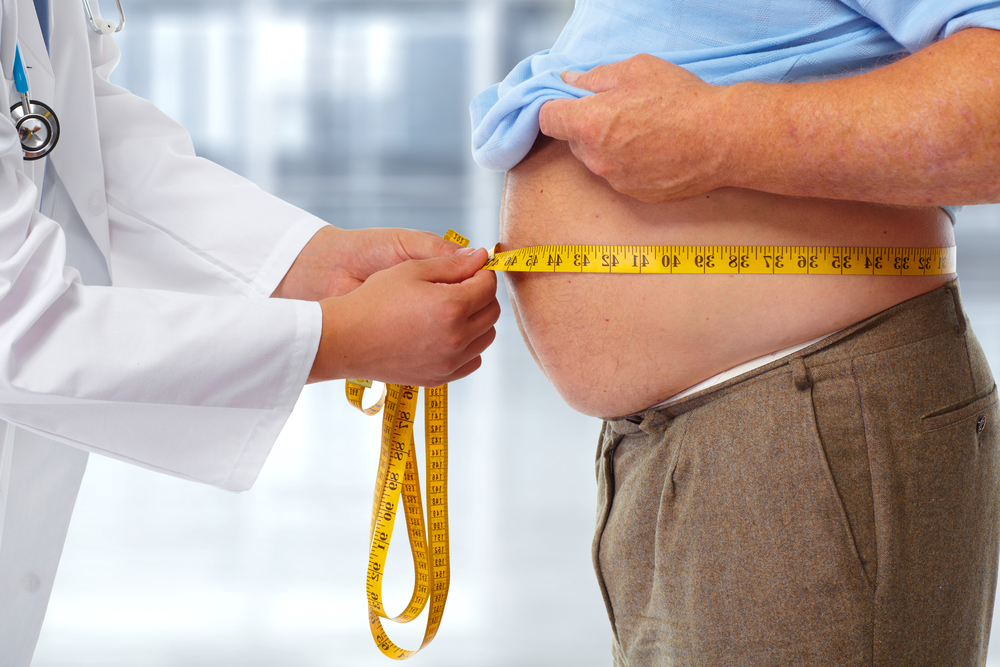
Researchers found that married men are significantly more likely to gain weight compared to their single peers – in fact, their risk of obesity more than triples after saying “I do.”
The study looked at nearly 2,500 people
The Polish study analyzed health data from 1,098 men and 1,307 women, all with an average age of around 50, to understand how relationship status may influence body weight.
Obesity is no small issue

According to the data, 26.4% of participants were classified as obese, while 38.3% were overweight. Only 35.3% fell within the “normal” weight range.
BMI reveals the hidden problem

Using Body Mass Index (BMI) as a guide, the study defined overweight as a BMI of 25–30 and obesity as over 30 – clear indicators that many adults are tipping into dangerous territory.
Marriage increases men’s risk dramatically

Compared to single men, those who were married had a 62% higher chance of being overweight – and more than three times the risk of developing obesity.
Women were affected differently

While marriage also increased the likelihood of weight gain in women – by about 39% – it did not significantly raise their risk of obesity in the same way it did for men.
Age makes the problem worse

Each additional year of age raised the chances of becoming overweight or obese for both genders, but women were more susceptible to age-related weight gain than men.
Where you live matters, too

Women living in smaller towns and rural areas were more prone to overweight than those in urban settings. Interestingly, location had no such impact on men’s weight.
The love-weight connection needs attention

Researchers argue that health discussions shouldn’t focus solely on food and exercise. Social factors like relationship status may play a far bigger role than previously thought.
Still waiting for scientific confirmation

The full findings are expected to be presented at the European Congress on Obesity in May 2025.
This article is based on information from Illusteret Videnskab
This article is made and published by Mie Hermansen, who may have used AI in the preparation.