
Running may be timeless, but our speed isn’t. As we age, our bodies inevitably change—but that doesn’t mean our performance has to fall off a cliff.
Here’s what science says about aging and running, plus how to stay fast on your feet well into your later years.
Running Slows After 40
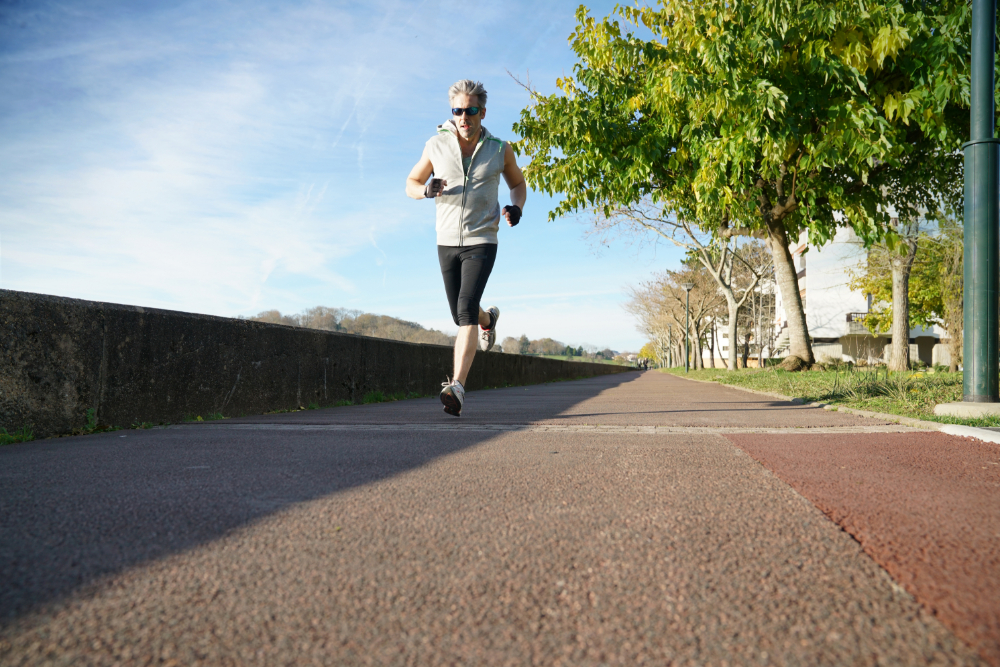
Performance declines tend to begin around age 40, with times increasing gradually each year. After 65, the slowdown accelerates more noticeably, particularly in longer distances.
Men Slow Down More Than Women

Data shows that men experience a steeper drop in running speed than women as they age—by nearly 6% more—hinting at potential physiological or training-based differences.
Trained Runners Feel It More
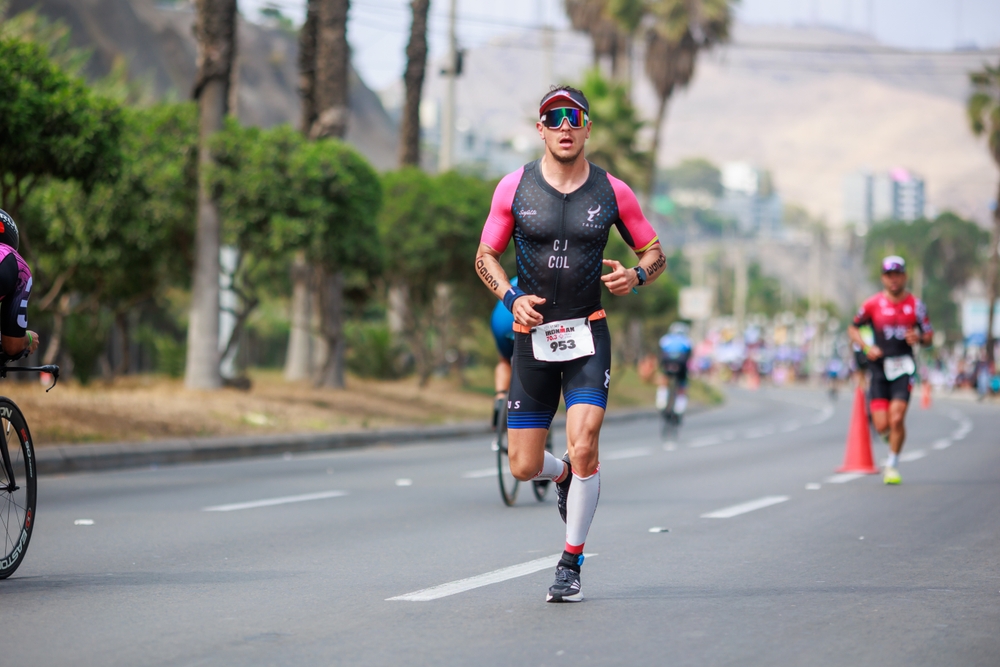
Ironically, seasoned runners may experience a slightly greater decline than casual joggers. The higher your peak, the more noticeable the fall.
Minimal Change Before 35

If you’re under 35, you likely haven’t felt the effects of age—yet. Studies show no real performance drop until your mid-to-late 30s.
VO2 Max Drops with Age

One major reason runners slow down is the steady decline of VO2 max—the body’s ability to take in and use oxygen during exercise—which falls by about 10% each decade after 30.
Muscles Shrink, Power Fades

Aging leads to sarcopenia, or the loss of muscle mass, especially the fast-twitch fibers needed for speed and explosive effort. Strength training can help resist this trend.
Heart Rate Max Declines

Maximum heart rate decreases 4–6% per decade, reducing how hard you can push yourself. While you can still train hard, you’ll hit your ceiling sooner than you once did.
Stride Length Shrinks
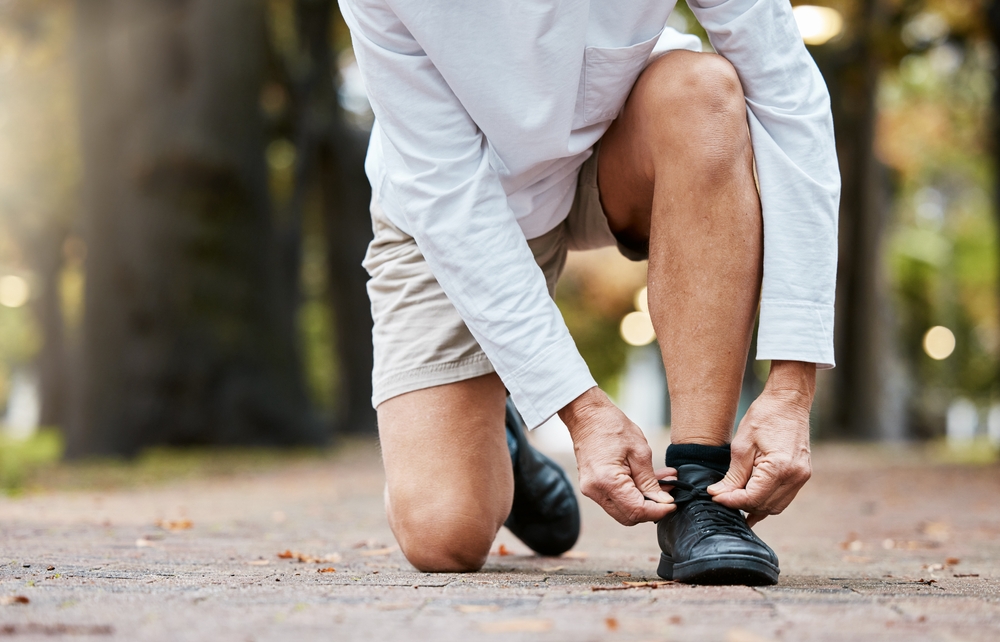
One biomechanical shift that comes with age is shorter stride length. Older runners don’t push off the ground as forcefully, leading to a slower pace—even if cadence stays the same.
Nervous System Slows Down
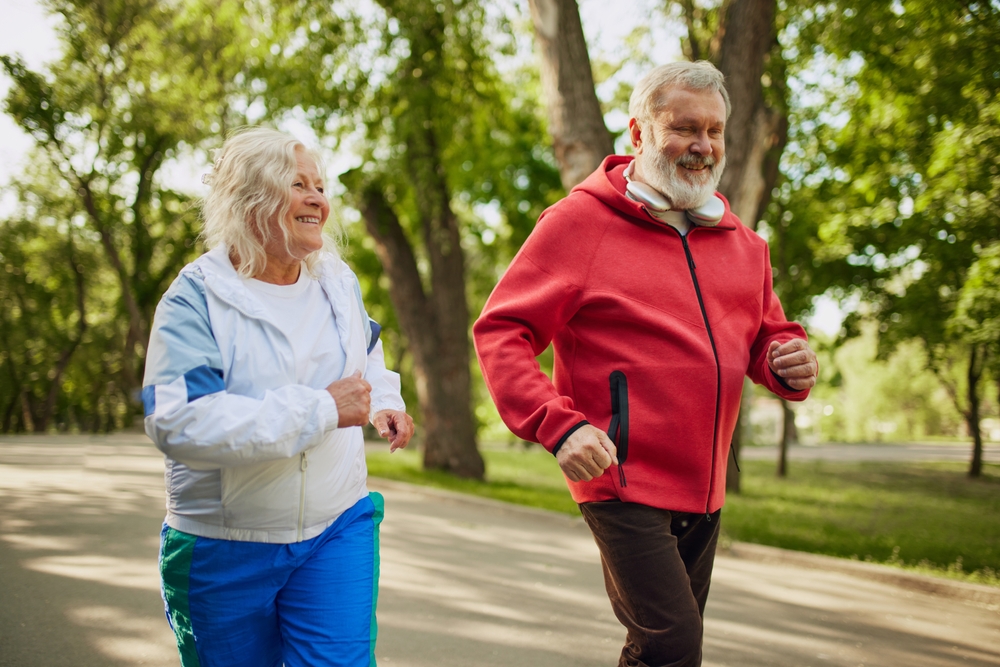
The motor units that fire your muscles become less efficient, making rapid, explosive movement harder. This affects sprinting and high-intensity efforts the most.
You Can Fight Back

Hill sprints, running drills, and strength workouts can preserve power and speed. With the right plan, you can maintain performance for decades.
Nutrition Matters More Than Ever
Protein becomes critical as you age to fight muscle loss. Combine solid training with a balanced diet to support recovery and long-term muscle maintenance.
Mindset Is Key

Staying mentally motivated is just as important as physical training. Runners who embrace the aging process and adjust their goals tend to stay healthier and happier.
Artiklen er baseret på informationer fra MarathonHandbook
This article is made and published by Mie Hermansen, who may have used AI in the preparation.