
Cortisol — often called the “stress hormone” — plays a big role in your health, but too much of it over time can trigger some surprising and serious symptoms.
Here are some key signs to watch for and the potential reasons behind them.
Sudden weight gain

If you’ve noticed your clothes getting tighter around your belly or your face appearing puffier, high cortisol could be to blame.
Excess cortisol can lead to fat being stored around the abdomen and face, even if your diet or routine hasn’t changed much.
Unexplained acne flare-ups
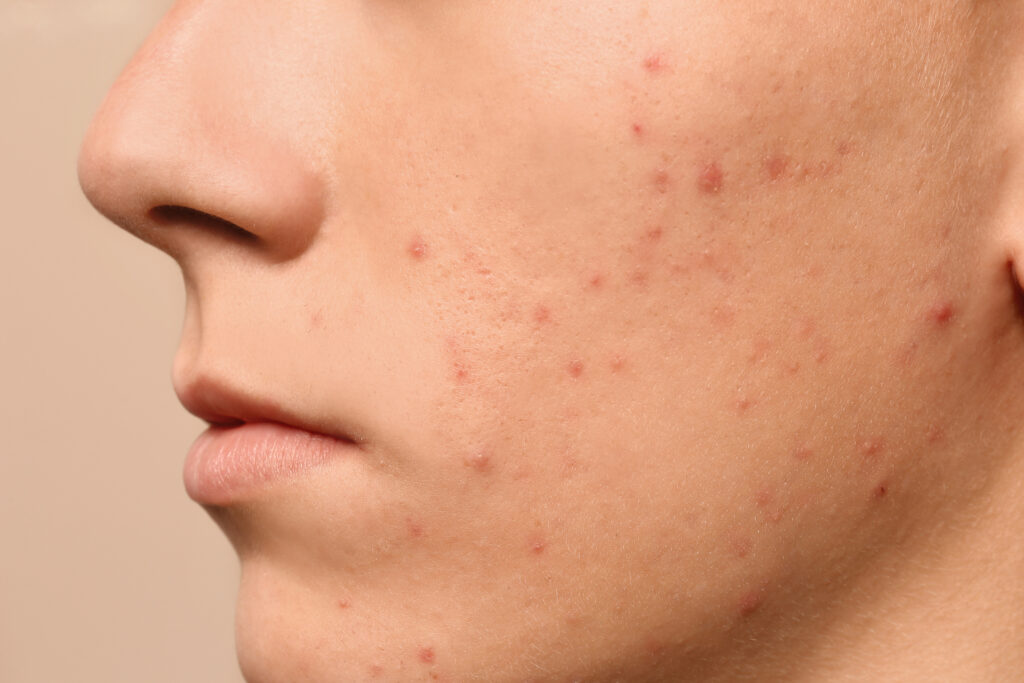
Teenage-level breakouts making an unexpected comeback?
High cortisol can increase oil production in your skin, which may lead to more clogged pores and acne — even in adults who’ve never struggled with it before.
Thinning skin and easy bruising

Noticing that your skin feels fragile or that you’re bruising more often?
Elevated cortisol can interfere with collagen production, making your skin thinner and more prone to injury or marks from minor bumps.
Feeling constantly tired

Fatigue is a common sign of high cortisol.
When your body is under constant stress, it stays in a state of “high alert”, which can eventually drain your energy reserves and leave you feeling perpetually exhausted.
Mood swings and irritability

Frequent mood changes, frustration, or anxiety may not just be “in your head”.
Cortisol affects your brain chemistry, and long-term high levels can interfere with emotional regulation, leading to irritability and heightened emotional reactions.
Trouble focusing or memory issues

High cortisol can mess with your brain’s ability to concentrate and remember things.
If you’re struggling to stay on task or forgetting things you usually wouldn’t, your stress hormone levels could be affecting your cognitive function.
High blood pressure that’s tough to control

If your blood pressure is higher than usual or medications aren’t working as expected, cortisol might be the culprit.
It constricts blood vessels and increases sodium retention, both of which can raise blood pressure.
Persistent headaches
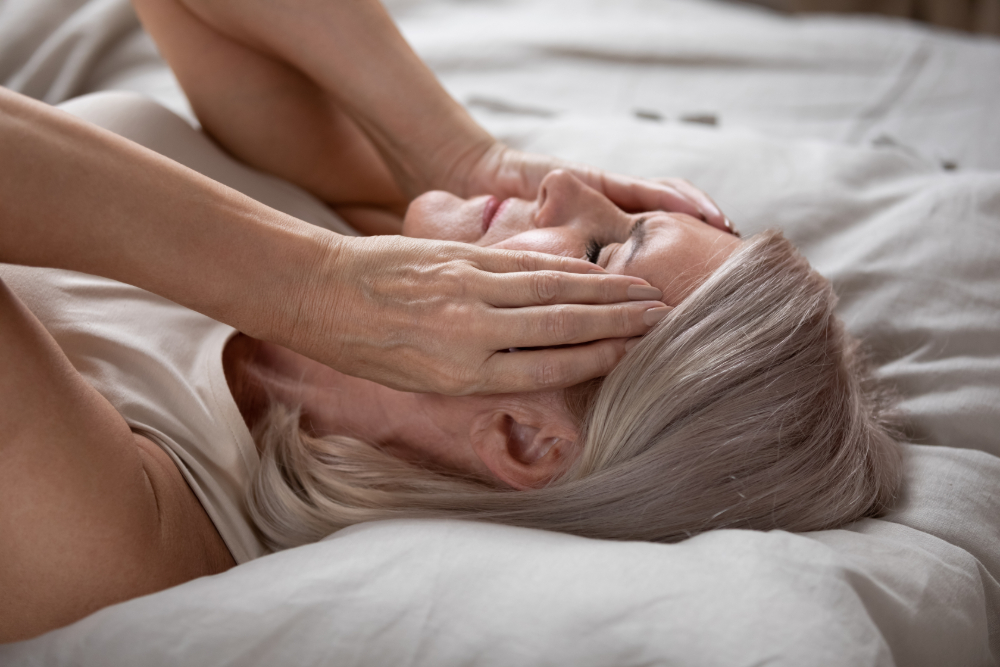
Headaches with no clear cause — especially when combined with other symptoms like fatigue or irritability — could be linked to excessive cortisol.
The hormone affects blood flow and tension, which may contribute to headaches or migraines.
Slow healing from cuts or injuries
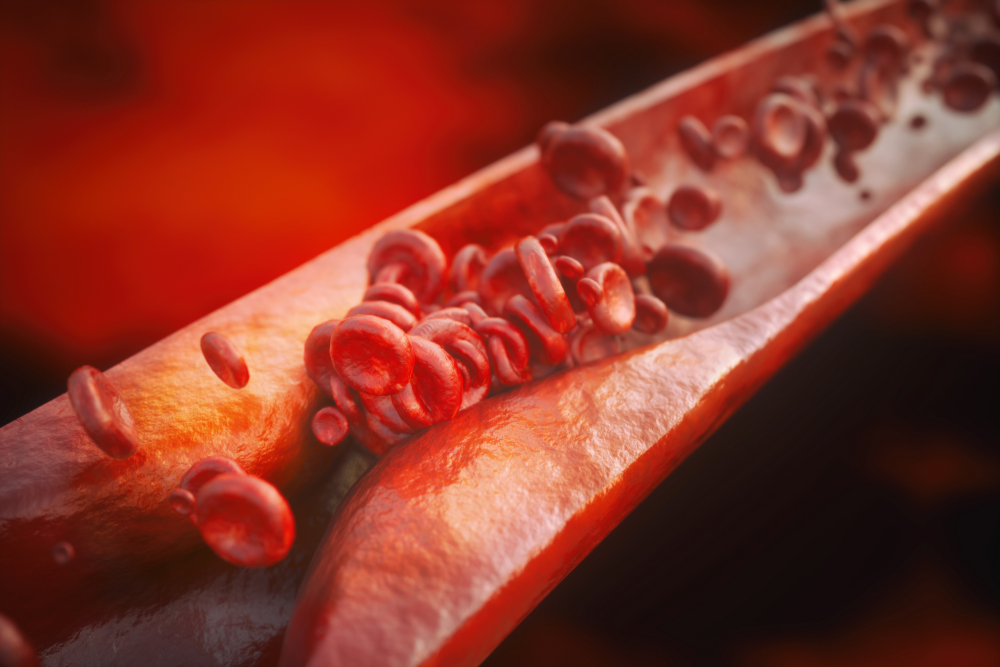
Notice your wounds taking longer to heal?
High cortisol can impair your immune response and slow down your body’s natural healing process, meaning even minor injuries stick around longer than they should.
A flushed or reddish face

Cortisol can dilate blood vessels, particularly in the face, causing redness or a flushed appearance.
If your face seems constantly warm or red, even without exertion or heat, it could be a hormonal signal.
This article is based on information from Healthline.com.
This article is made and published by Ida-Marie Palm Varbæk, who may have used AI in the preparation.