
Stretch marks are something most of us will experience at some point — yet they’re still surrounded by questions and misconceptions. Here’s what you need to know about the lines that often tell a story of how your body has changed.
What Are Stretch Marks, Really?

Stretch marks appear when the skin’s elastic fibers are stretched so much that they tear. This happens in the middle layer of the skin, leaving thin, visible lines. In the beginning, they may look purple, blue, or red — but over time, they fade and become lighter.
Who Gets Stretch Marks?

Stretch marks affect both men and women — and it’s not necessarily about weight. They can develop during puberty, pregnancy, rapid muscle growth, or sudden weight gain. Your skin type and genetics also play a significant role.
Are Stretch Marks Hereditary?
Yes, heredity can be a factor. If your parents had many stretch marks, there’s a greater chance your skin will be prone to them as well. That doesn’t mean it’s unavoidable — but it’s something to be aware of.
When Do They Appear?
Most people develop stretch marks during periods of rapid physical change. This can happen during adolescence, pregnancy, or when the body goes through significant weight fluctuations. How well the skin can keep up plays a key role.
Where on the Body Do They Show Up?

Stretch marks most commonly appear on the hips, thighs, buttocks, stomach, and breasts — areas where the skin experiences a lot of tension. But they can also show up on the upper arms, calves, or back, especially with intense training or growth spurts.
Do Stretch Marks Go Away?

Stretch marks don’t disappear completely, but they do fade over time. They often become less noticeable and take on a lighter tone, making them easier to live with. Many even come to see them as a natural part of their body.
Can They Be Prevented?

There’s no guarantee, but you can try to prevent stretch marks by keeping your skin well-moisturized with quality creams or oils. Gradual weight gain and paying attention to skin care during physical changes may also help.
What About Treatment?
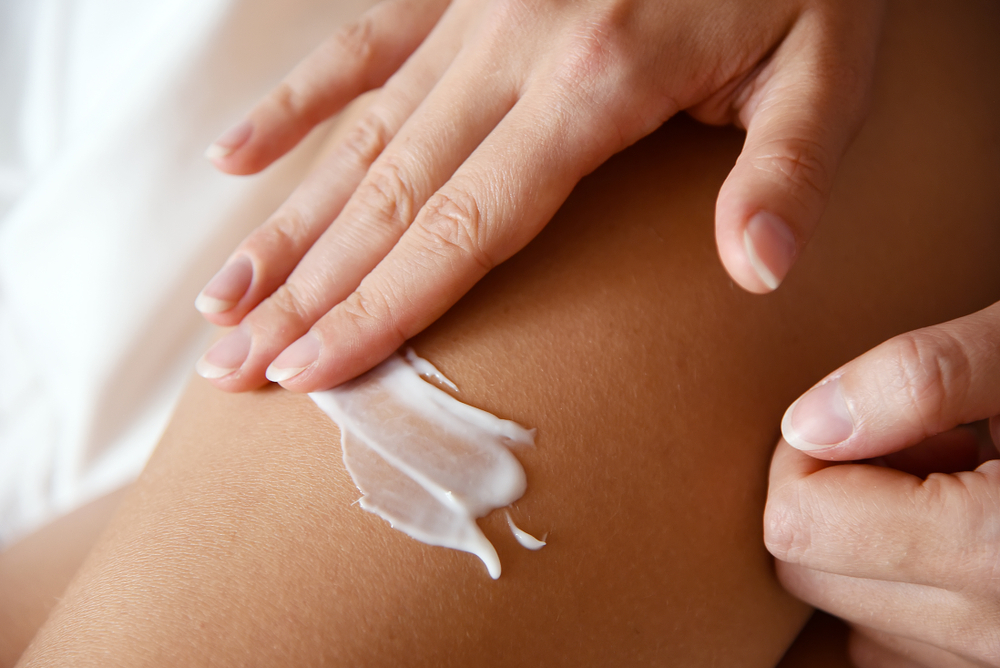
Several treatments aim to reduce the appearance of stretch marks. These include laser therapy, microneedling, and certain creams. The results vary, and no method removes them completely — but some people do see noticeable improvements.
Do Stretch Marks Affect Your Health?

Stretch marks are completely harmless. They’re cosmetic and have no impact on your physical health. It’s important to remember that they’re not a sign of illness — just a natural response to change within the skin.
Is It Okay to Have Them?

Stretch marks are totally normal. They tell a story of growth, life, and transformation. Rather than hiding them, many choose to embrace them as part of their journey. Most people have them — and that’s more common than not.
This article is based on information from Woman
This article is made and published by Mie Hermansen, who may have used AI in the preparation.