
Most people underestimate just how vital water is for both body and mind. The truth is, many of us would feel much better if we simply drank more – much more. Here are the unmistakable signs that your body may be running dry.
Your Brain Slows Down Without Water

Your brain depends heavily on fluid to function properly. Even mild dehydration can affect your ability to concentrate, think clearly, and make decisions. Mental fog and forgetfulness could be your mind’s subtle cry for water.
Bad Breath Could Be a Hidden Warning

When you’re dehydrated, your body produces less saliva – and that gives bacteria free rein in your mouth. This can quickly lead to unpleasant breath, no matter how much you brush your teeth.
Thirst Disguises Itself as Hunger
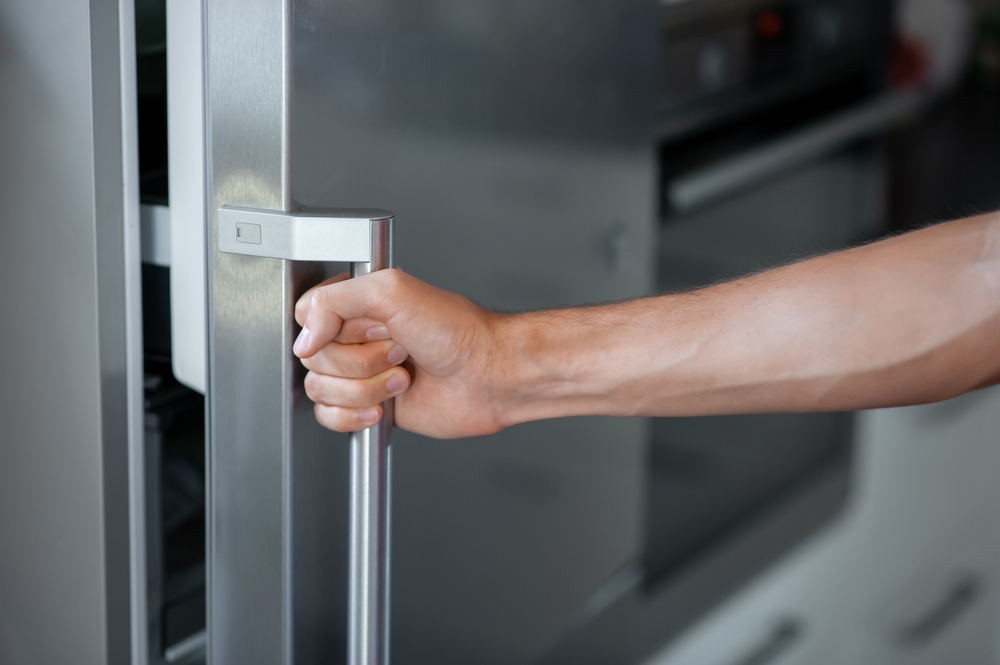
When your body lacks water, your blood sugar drops, tricking your brain into thinking you need a snack. Often, what feels like hunger is just your body begging for hydration.
You’re Not Visiting the Bathroom Enough
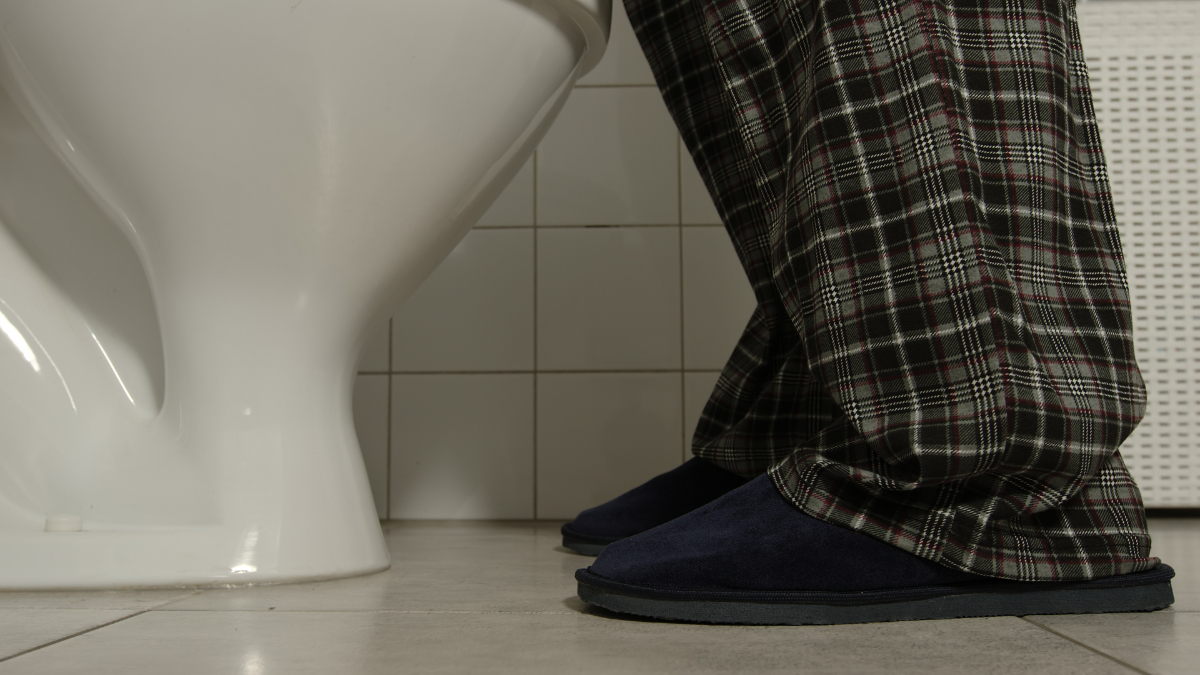
Water helps flush toxins from your body through urine. If you’re peeing less often than usual, or your urine is dark, it’s a sign that your fluid intake might be too low.
Headaches and Dizziness Could Be Dehydration

When your fluid levels drop, the protective layer around your brain thins, potentially causing pressure and pain. A pounding head or lightheadedness can often be traced back to not drinking enough.
Achy Joints Might Signal a Dry Body

Water keeps your joints lubricated and helps absorb shocks. Without enough of it, even small movements can feel uncomfortable or painful.
Your Skin Looks Dull and Dry

Your skin is the largest organ and needs plenty of water to stay elastic and vibrant. A lack of hydration can leave it looking tired, dry, or even lead to flaky lips and faster aging.
Your Heart Beats Faster Than Usual

When you’re dehydrated, your blood becomes thicker, making it harder to pump. This puts strain on the heart and may cause a noticeably faster heartbeat, even when you’re resting.
You Get Sick More Often

Your immune system needs water to function properly. Without enough, your body struggles to fight off infections like urinary tract issues and common colds.
Your Digestion Slows Down

Water keeps everything moving in your digestive system. Without it, you might experience constipation, bloating, or acid reflux. Regular water intake is key to keeping your gut happy.
The article is based on information from Illustreret Videnskab
This article is made and published by Mie Hermansen, who may have used AI in the preparation.