
While the risks of overeating are widely known, undereating can be just as harmful – but it often flies under the radar.
If you’ve been feeling off lately, your body may be trying to tell you it’s not getting enough fuel. Here are some warning signs you shouldn’t ignore.
You’re always tired

When you don’t eat enough, your body doesn’t get the energy it needs to function properly.
This leads to physical exhaustion and mental fatigue – even after a full night’s sleep. Over time, it becomes harder to concentrate or stay active.
You get sick more often

A weakened immune system is a red flag that you may not be eating enough.
Without key nutrients like vitamins A, C, and zinc, your body struggles to fight off infections. Minor illnesses like colds can last longer and hit harder.
You’re losing hair

Hair health depends on a steady supply of protein, essential fatty acids, and minerals.
If you’re undereating, your hair may thin out, change texture, or even fall out entirely. Your body prioritizes vital organs over your hair follicles.
Your period becomes irregular

In women, a lack of proper nutrition can disrupt hormone levels. This may result in missed or irregular periods, or your cycle stopping altogether.
The body essentially goes into survival mode and deprioritizes reproduction.
You always feel cold

Calories help regulate your body temperature. When you eat too little, your body doesn’t generate enough heat, which can leave you constantly chilly – even in warm environments.
You’re not growing as expected
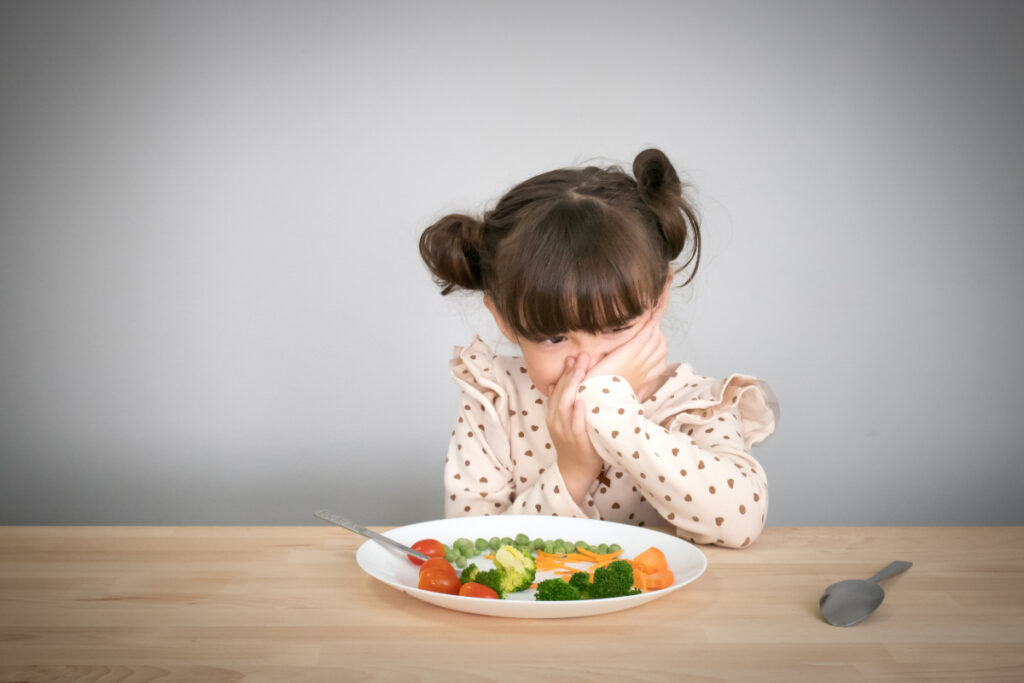
In children and teenagers, proper nutrition is essential for development.
Undereating can impair growth, especially bone development during puberty, potentially resulting in stunted height or long-term weakness.
Your skin is acting up

Dryness, irritation, and a dull complexion can all stem from a lack of nutrients like vitamin E and niacin.
These vitamins protect the skin and support regeneration. Without them, your skin may look tired and become more sensitive to damage.
You feel down or depressed

While depression has many causes, studies have found links between poor nutrition and mood disorders.
Low levels of omega-3 fatty acids and vitamin D are especially associated with depressive symptoms and emotional instability.
You’re constipated
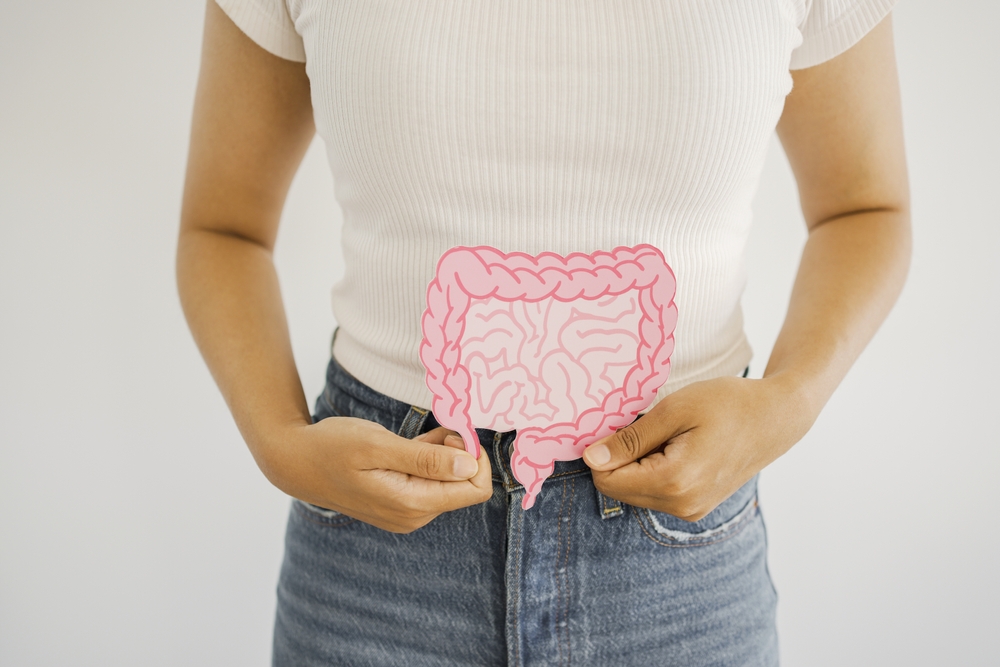
Eating too few calories often means eating too little fiber and bulk – which your digestive system needs to function.
That results in constipation, fewer bowel movements, and harder stools that can be painful to pass.
You’re losing weight without trying

Unintentional weight loss is one of the most obvious signs of undereating.
A BMI under 18.5 is considered underweight and can lead to serious health issues like anemia, fatigue, and complications during medical procedures.
This article is based on information from Medical News Today.
This article is made and published by Ida-Marie Palm Varbæk, who may have used AI in the preparation.