
Antibiotics are essential in modern medicine, especially for fighting infections in children. But new research warns that overuse—particularly in the early years—may quietly affect long-term health in surprising ways.
Early Exposure Carries Hidden Risks
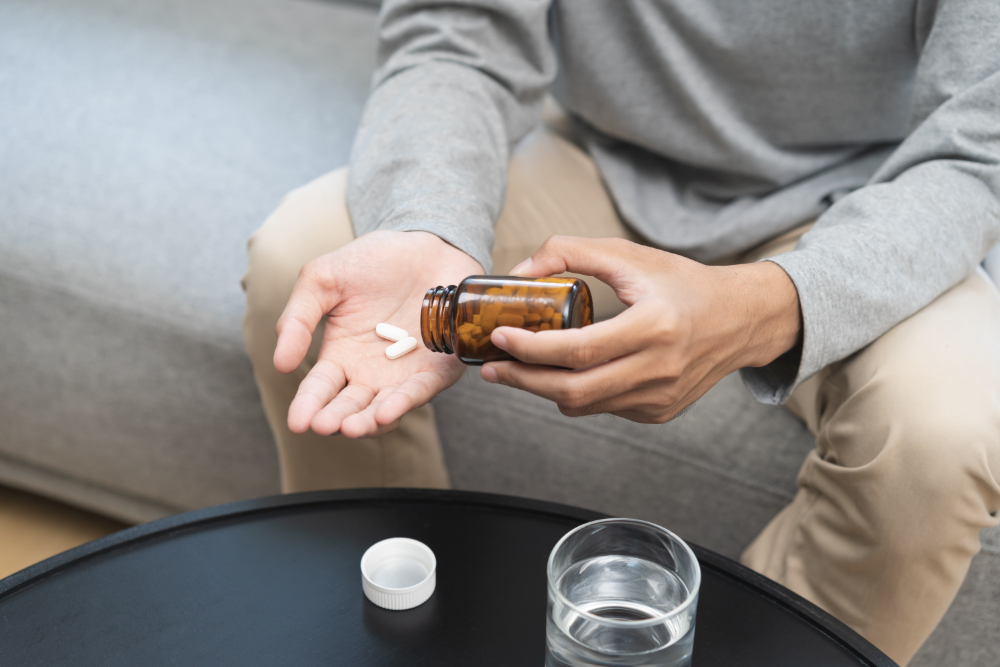
A large-scale study reveals that repeated antibiotic use before age 2 can be linked to various chronic health conditions later in childhood.
Gut Microbes Take a Hit
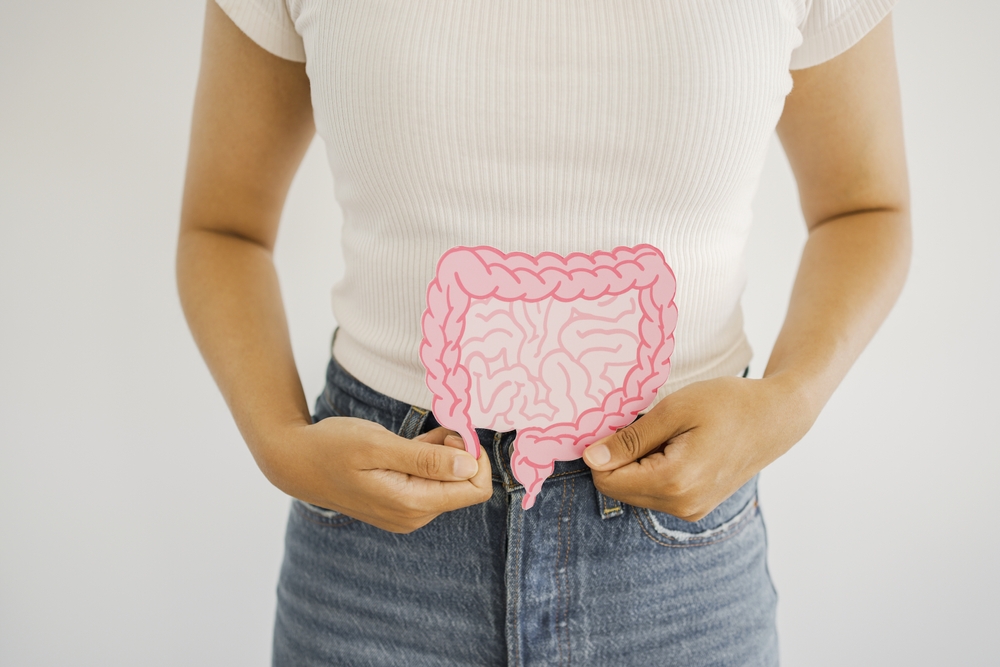
Antibiotics disrupt the natural balance of bacteria in the gut, potentially weakening a child’s immune system over time.
Allergies on the Rise
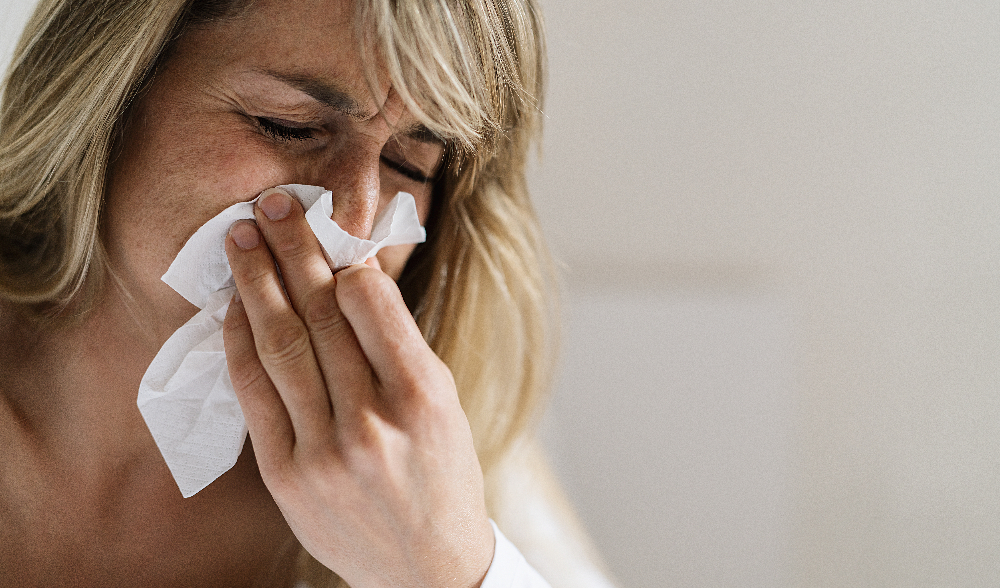
Children exposed to frequent antibiotics showed increased risks of developing asthma, hay fever, and food allergies as they grew older.
A Possible Link to Developmental Delays

The research flagged a possible connection between antibiotic use and intellectual disabilities—but more studies are needed to confirm the link.
Not All Conditions Are Affected
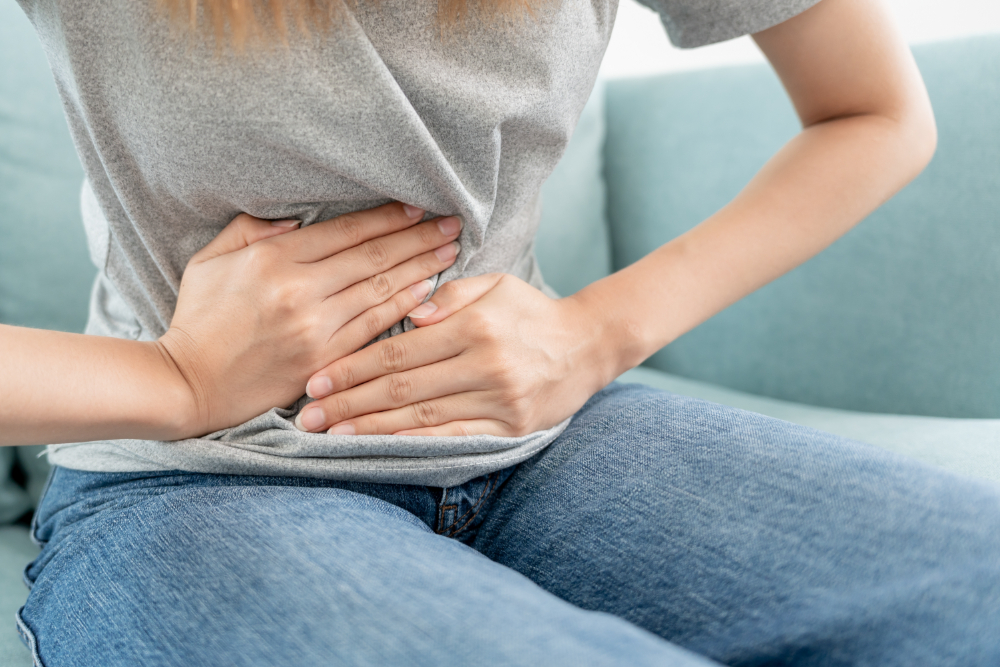
Reassuringly, no clear ties were found between antibiotic use and autoimmune diseases like celiac or inflammatory bowel disease.
No Strong Ties to ADHD or Autism

Parents can breathe a sigh of relief: the study found no significant association with conditions like ADHD or autism spectrum disorders.
The More Courses, the Greater the Risk
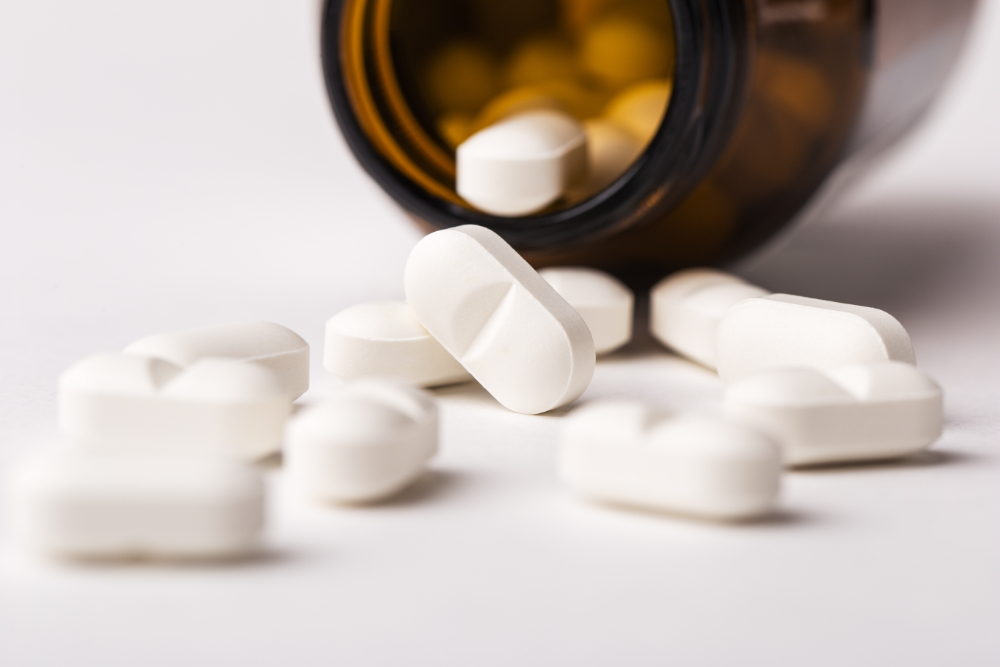
The findings showed a dose-response pattern—meaning the more antibiotic treatments a child had, the stronger the risk of health issues.
Even Sibling Comparisons Back It Up

When researchers compared siblings—where only one had early antibiotic exposure—the health differences still stood, strengthening the study’s validity.
Doctors Urged to Prescribe Carefully
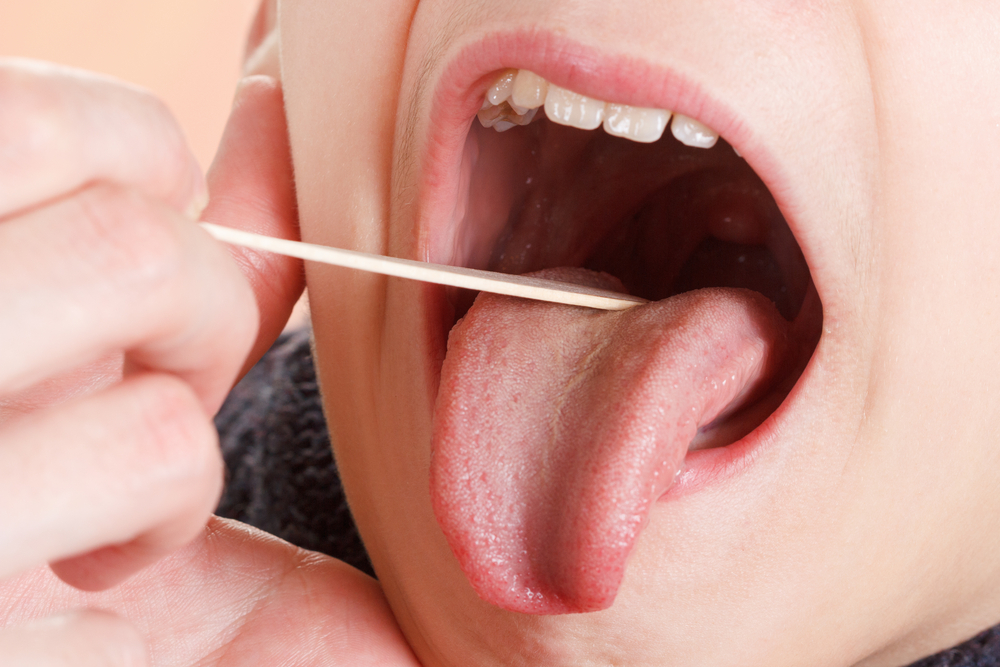
Researchers stress the need for thoughtful antibiotic use, especially in young children, to avoid unnecessary long-term effects.
Parents Should Stay Informed

Experts advise parents to continue consulting healthcare providers but emphasize that not all infections require antibiotics.
Artiklen er baseret på informationer fra Medical Daily.
This article is made and published by Mie Hermansen, who may have used AI in the preparation.