
Think it doesn’t matter when you eat dinner? Think again.
Nutrition experts say the timing of your evening meal can have a huge impact on your sleep, digestion, and overall health.
Fat-heavy meals take much longer to digest

A high-fat dinner – like a double cheeseburger with fries – can take more than six hours to fully digest.
That added digestion time increases stomach acid and pressure, which can interfere with both digestion and sleep quality.
Eating dinner too early can backfire

Think eating dinner at 3 p.m. is a great idea? Not always. You might find yourself starving by bedtime.
To avoid hunger-induced sleep disruption, nutritionist Elizabeth Brown recommends a light, balanced evening snack if your dinner was early.
Late-night meals disrupt digestion and sleep
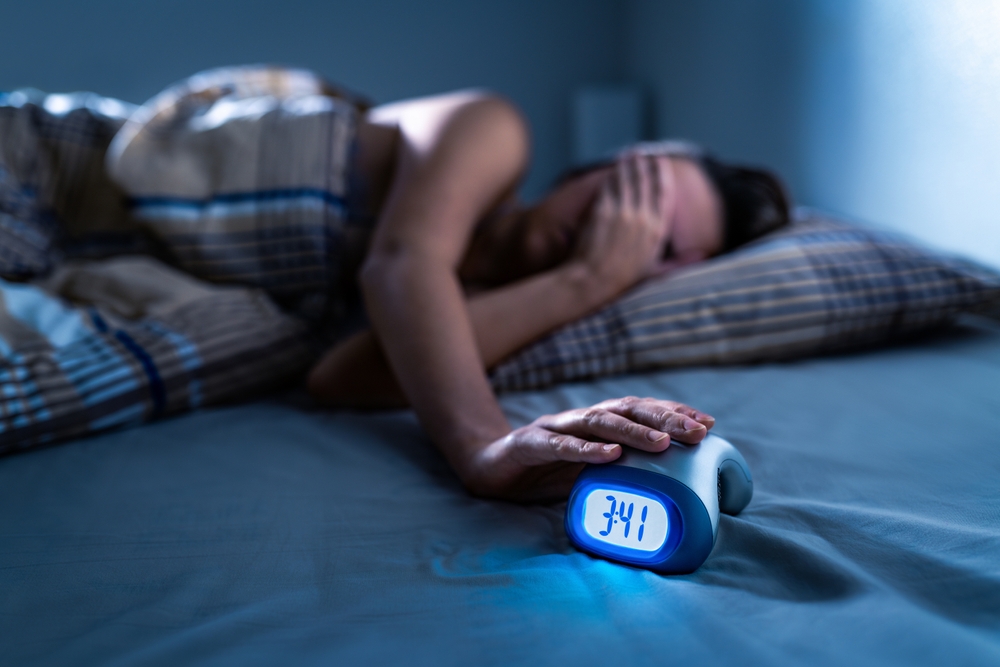
Eating dinner too close to bedtime can interfere with your body’s natural rhythms.
Your digestive system slows down at night, and forcing it to work overtime can make falling and staying asleep much harder.
Waiting too long to eat can lead to poor choices
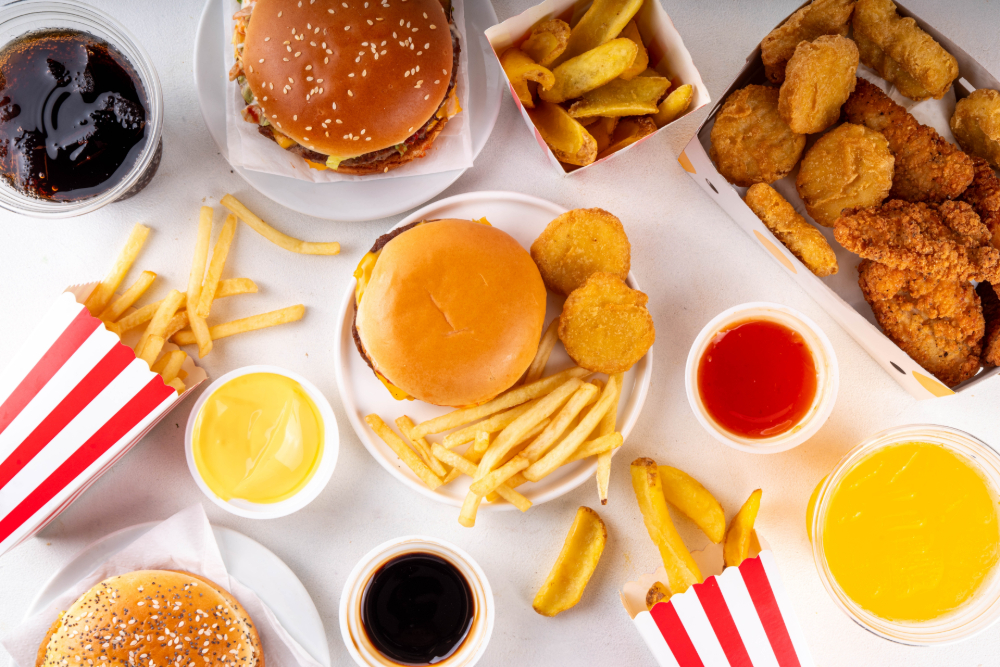
When you’re ravenous, you’re more likely to overeat or reach for unhealthy options.
To avoid this, try eating earlier and make sure your meals throughout the day contain protein, healthy fats, and fiber to keep you full.
Early meals help regulate blood sugar
Eating earlier in the day helps stabilize your blood sugar, which can prevent intense hunger later on.
This makes it easier to manage cravings and avoid late-night snacking.
A consistent dinner time supports your circadian rhythm

Your body loves routine. Eating at the same time each evening helps maintain your internal clock, which is crucial for metabolism, sleep quality, and overall well-being.
Food is a powerful circadian cue

Just like light, food helps your body know what time it is. Irregular eating patterns can throw off your biological clock and increase your risk of metabolic disorders.
Meal prepping can keep you on track

If sticking to a regular dinner time is tough, meal prepping might be your secret weapon.
Having ready-made meals means fewer decisions and less temptation to delay eating, especially when your schedule gets hectic.
Eat dinner between 5 and 7 p.m.

Registered dietitian Marissa Karp says the ideal window for dinner is between 5:00 and 7:00 p.m.
This gives your body ample time to digest before bedtime, promoting better sleep and gut health.
Always aim to eat at least 3 hours before bed

If you can’t make the 5–7 p.m. window, make sure you eat at least three hours before going to sleep.
This helps reduce your risk of acid reflux and gives your digestive system time to do its job before you lie down.
This article is based on information from Real Simple.
This article is made and published by Ida-Marie Palm Varbæk, who may have used AI in the preparation.