
A new scientific breakthrough suggests your tongue could help detect early Parkinson’s disease — with no needles, no scans, and no pain. Researchers have found key biological clues hidden in your tongue’s coating, opening the door to a simple, non-invasive diagnostic method.
A new way to detect Parkinson’s
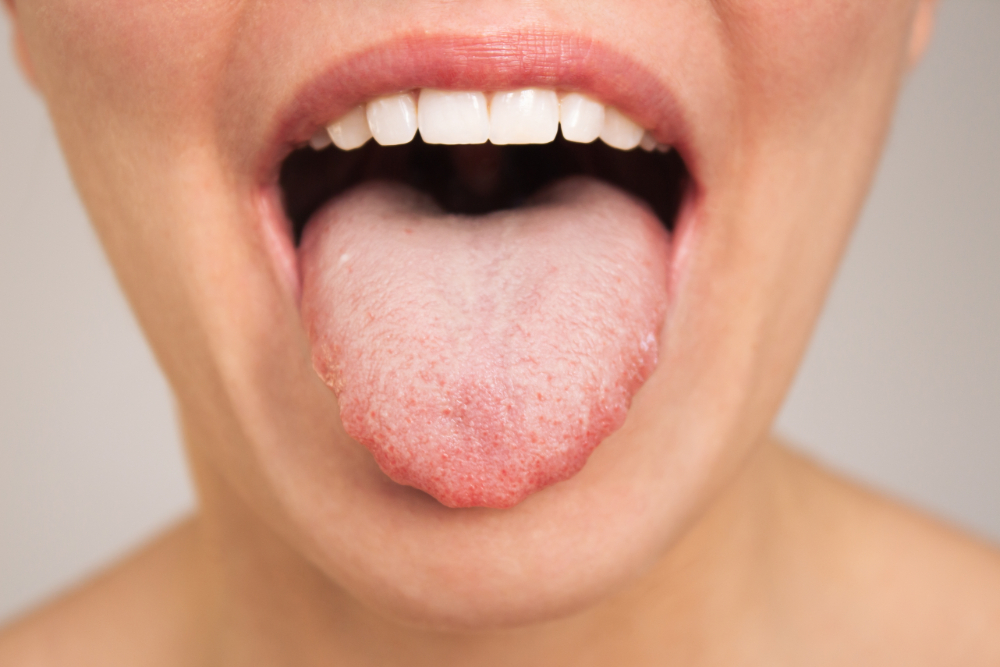
Researchers have discovered that the coating on the tongue changes noticeably in people with Parkinson’s disease. This could allow doctors to catch the condition earlier than ever before — simply by analyzing a swab from the tongue.
What is tongue coating, really?

The tongue’s surface is more than just taste buds — it holds a mix of bacteria, food residue, saliva, and body-produced chemicals. These elements can reveal much about your health, including potential neurological conditions.
Why this method could change everything
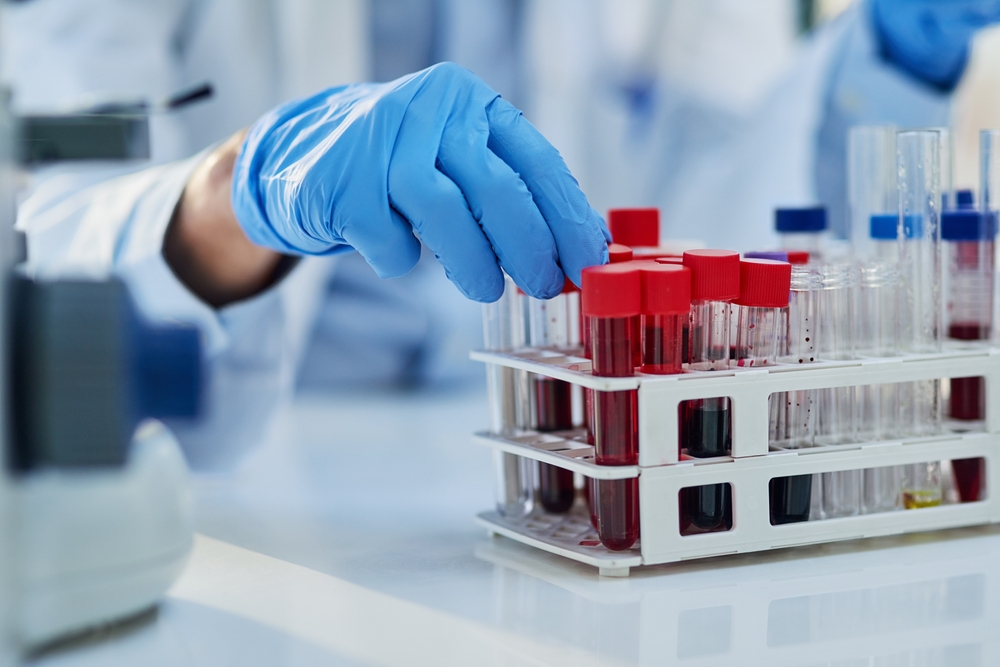
Compared to spinal taps or blood tests, collecting a sample from the tongue is painless, fast, and cheap. It also reduces infection risk and stress for patients already dealing with symptoms.
Also read: This Ultra-Processed Food Is Actually Good for You – Here's Why
Key differences in tongue bacteria

In the study, people with Parkinson’s had distinct changes in their tongue bacteria — particularly in families like Firmicutes and Bacteroidetes. These shifts could act as warning signs for the disease.
Chemical clues in your mouth

Scientists also identified changes in certain body-produced chemicals. Parkinson’s patients showed lower levels of palmitoylethanolamide — a substance known to reduce brain inflammation and support nerve health.
Carnitine levels drop as disease worsens
In patients with more advanced symptoms or cognitive decline, another chemical — carnitine — was found at reduced levels. This molecule plays a key role in brain energy and function.
Computer learning confirms the link

Using artificial intelligence, researchers trained a model to identify Parkinson’s based on tongue samples. The model achieved nearly 89% accuracy — a very promising start for future diagnostic tools.
Also read: How Far and Fast Should You Be Able to Walk – Based on Your Age and Gender
Safer than current methods

Current diagnostic tools for Parkinson’s can be invasive or expensive. Tongue swabs could offer a low-risk and more accessible alternative, especially for older or vulnerable populations.
A reflection of what’s happening in the gut

Interestingly, the bacterial changes found on the tongue mirrored those previously identified in Parkinson’s patients’ gut microbiomes — suggesting a wider biological signature of the disease.
What comes next?

The results are early but exciting. Scientists hope larger studies will confirm these findings and lead to tongue-based tests that detect Parkinson’s before irreversible damage occurs.
Artiklen er baseret på informationer fra News Medical
Also read: Back Pain Affects Millions — But This Daily Habit Could Prevent It
Also read: Check These Symptoms – They Could Reveal Liver Problems
This article is made and published by Mie Hermansen, who may have used AI in the preparation.