
Sometimes your body decides to take a break – and you’re the last to know. Fainting can come out of nowhere, and it’s not always caused by fear, stress, or seeing blood. These 10 unusual situations might surprise you.
Peeing

Known as “micturition syncope,” this condition happens when your blood pressure drops dramatically during or after urinating. It most often affects older men at night and is linked to sudden relaxation of blood vessels combined with standing.
Standing Up Too Quickly

Orthostatic hypotension occurs when blood pools in your legs as you stand, and your body doesn’t react fast enough to stabilize your pressure. Dehydration makes this more likely and can lead to temporary loss of consciousness.
Violent Coughing

Cough syncope is rare but real, especially in men with respiratory issues. The force of a coughing fit can cause sudden pressure changes that restrict blood flow to the brain – and down you go.
Laughing Too Hard

Yes, laughter can be dangerous. The intense exhalation patterns during a laughing fit can temporarily disrupt blood pressure and lead to fainting. It’s rare, but it has been documented in several adult cases.
Straining on the Toilet

Excessive pushing during a bowel movement affects blood circulation and may lower the amount of blood reaching your brain. This can cause a momentary blackout, especially in those with heart problems.
Intense Pain

Pain can trigger a vasovagal response that causes your heart rate and blood pressure to drop suddenly. It’s the body’s overreaction to a perceived threat, and fainting is the result.
Emotional Shock

Extreme emotional distress, like hearing devastating news, can send your nervous system into overdrive. The body’s attempt to regulate that stress might result in sudden fainting.
Seeing Something Gross
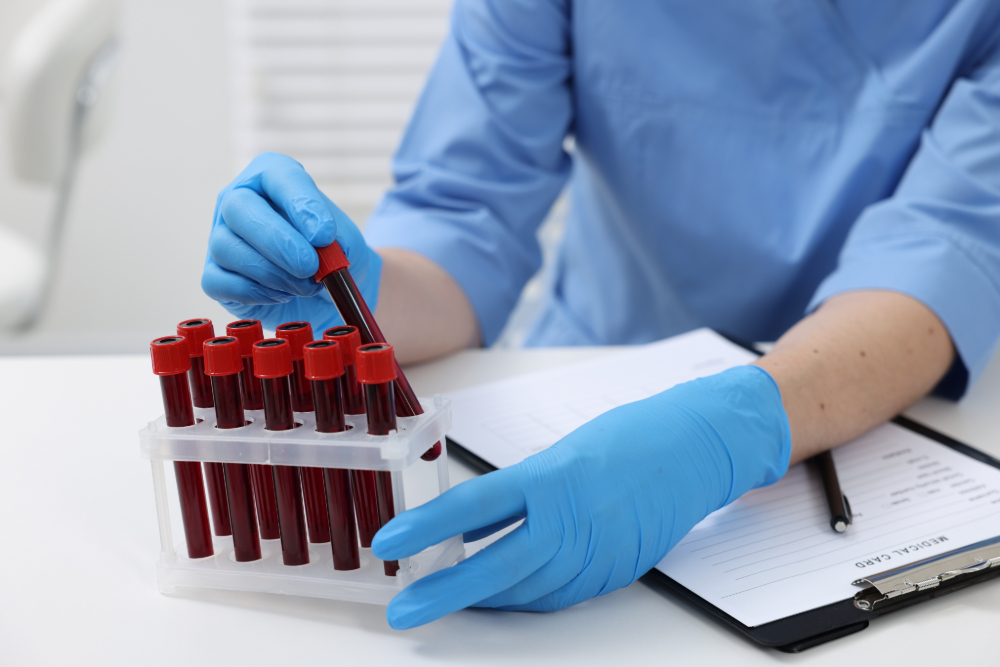
If blood, needles, or an injury make you queasy, you’re not alone. The sight alone can cause a powerful physical response, leading to a drop in blood pressure and unconsciousness.
Dehydration

Without enough fluids, your blood volume drops, and your body struggles to keep your brain supplied. It’s one of the simplest but most common reasons people pass out.
Overheating
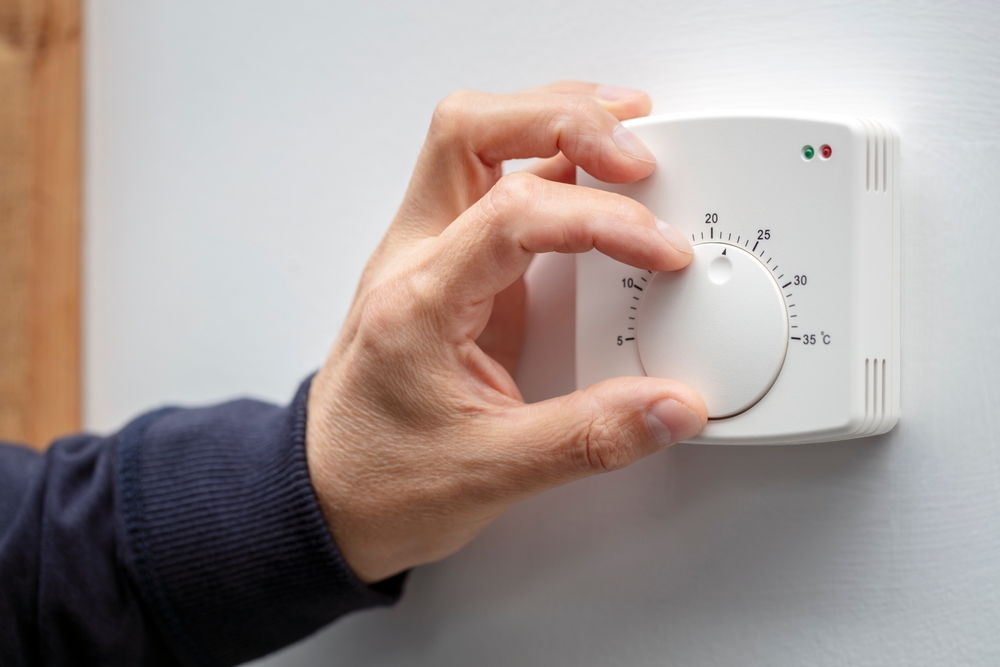
Being in hot environments for too long – especially while standing still – causes your blood vessels to dilate. This lowers blood pressure and can cause a sudden blackout.
The article is based on information from Medical Daily
This article is made and published by Mie Hermansen, who may have used AI in the preparation.