
Blood pressure is crucial for heart and overall health — but what levels are actually ideal? New research and expert insights are bringing more clarity. Here’s everything you need to know about your blood pressure.
High Blood Pressure – The Silent Danger
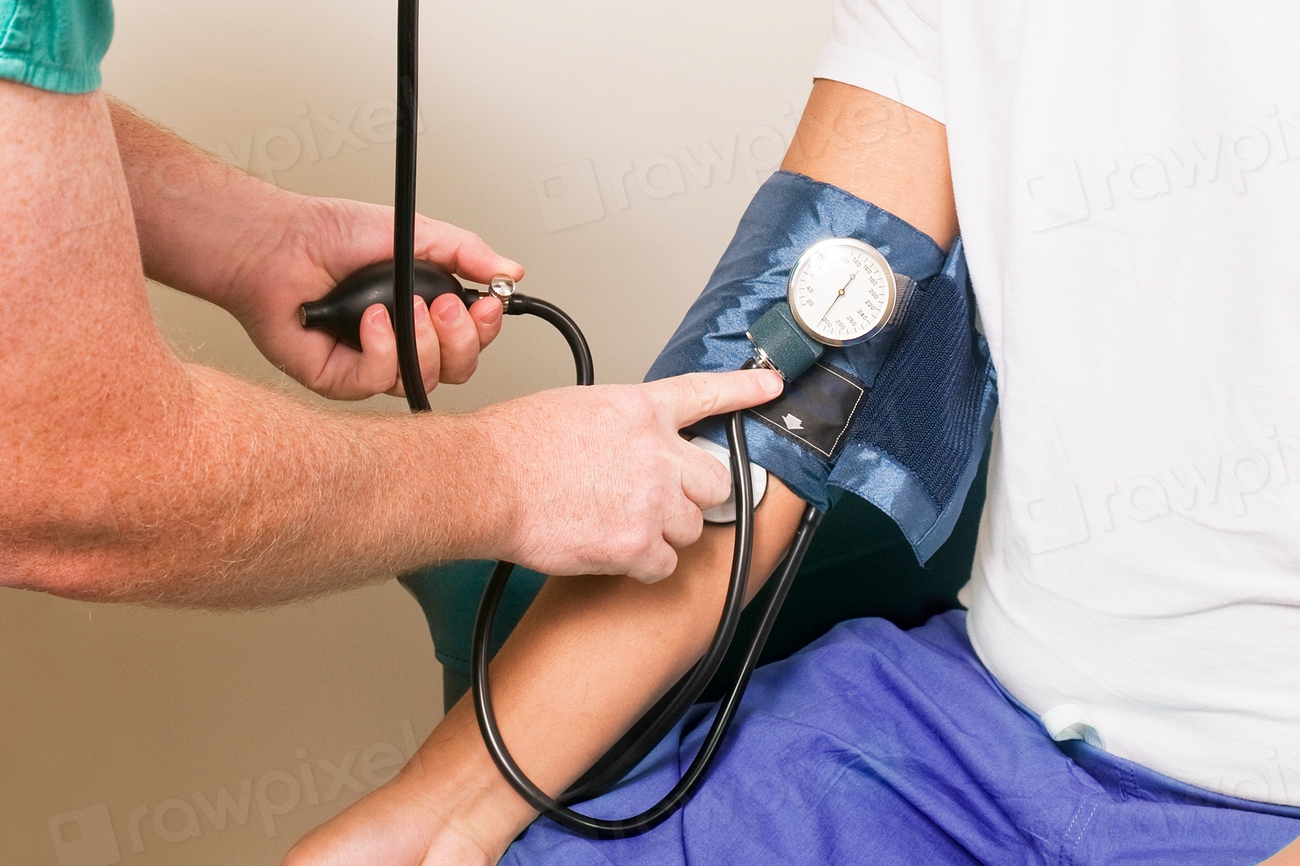
Often called the “silent killer,” high blood pressure can quietly damage your heart, brain, kidneys, and eyes without obvious symptoms for years. Regular monitoring is essential, even if you feel fine.
What Is Considered Normal Blood Pressure?
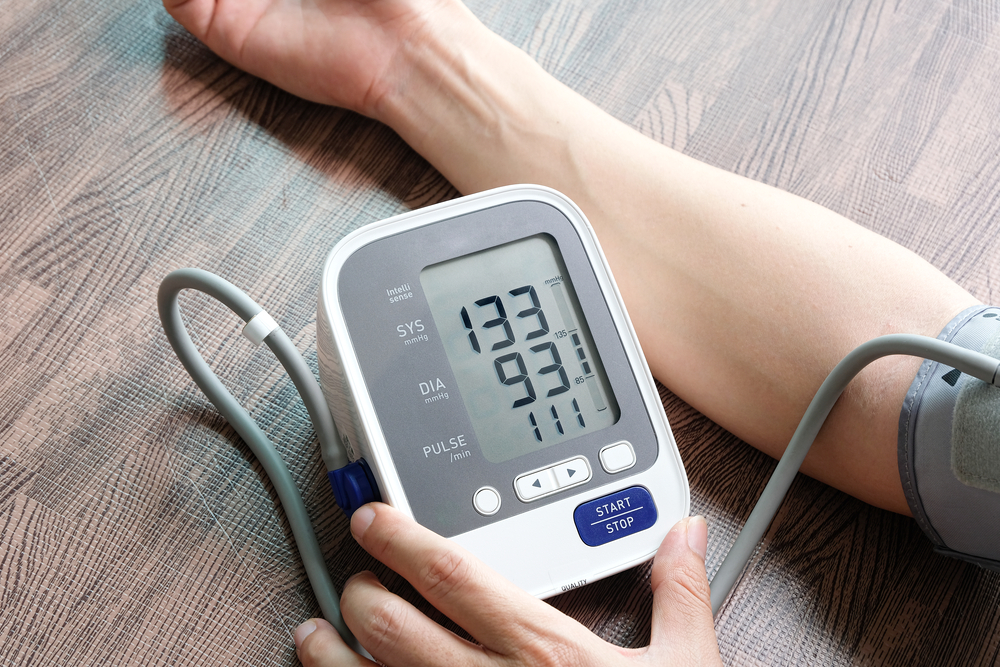
According to German health guidelines, 120/80 mmHg is the optimal reading. Up to 129/84 mmHg is still considered normal, while readings starting at 140/90 mmHg officially count as high blood pressure.
Disagreement Over Thresholds

In the United States, blood pressure guidelines are stricter: values above 130/80 mmHg are already classified as hypertension. Different countries, different rules.
What New Research From China Reveals

A major Chinese study suggests that patients fare better when blood pressure is lowered below 120 mmHg — even lower than the “normal” European target.
Lower Blood Pressure – Fewer Complications
The study showed that fewer patients experienced serious heart problems when treated to achieve a systolic blood pressure below 120 mmHg compared to those treated below 140 mmHg.
Possible Side Effects of Too-Low Blood Pressure
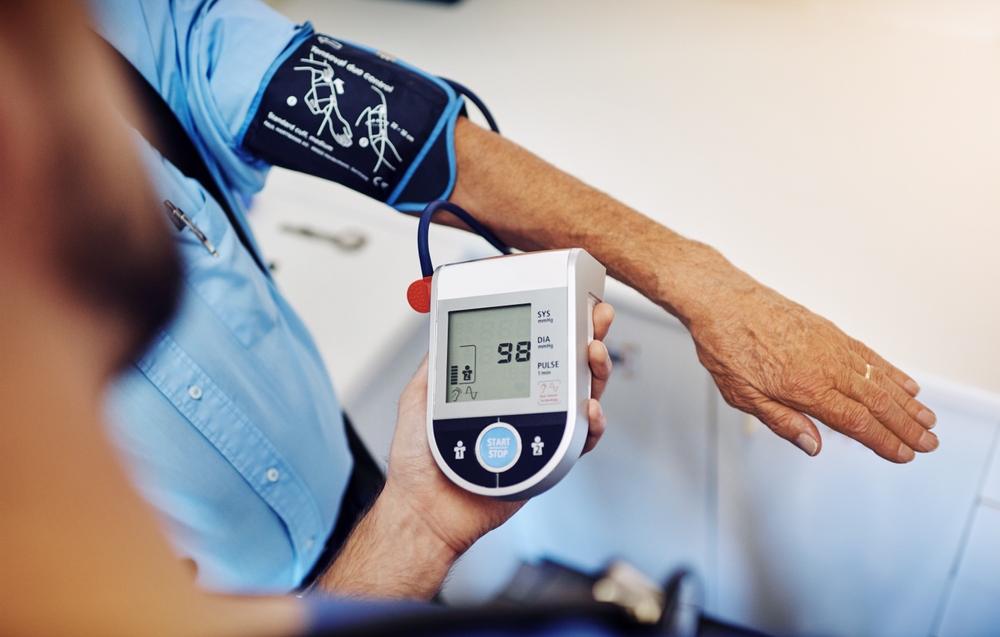
Cardiologists warn that aggressively lowering blood pressure can cause side effects like dizziness, fatigue, and kidney issues, especially among elderly or frail patients.
Not Everyone Tolerates Low Blood Pressure Well

For some patients, striving for blood pressure below 120 mmHg can actually worsen quality of life. Treatment goals should always be personalized.
When to Start Medical Treatment for Blood Pressure
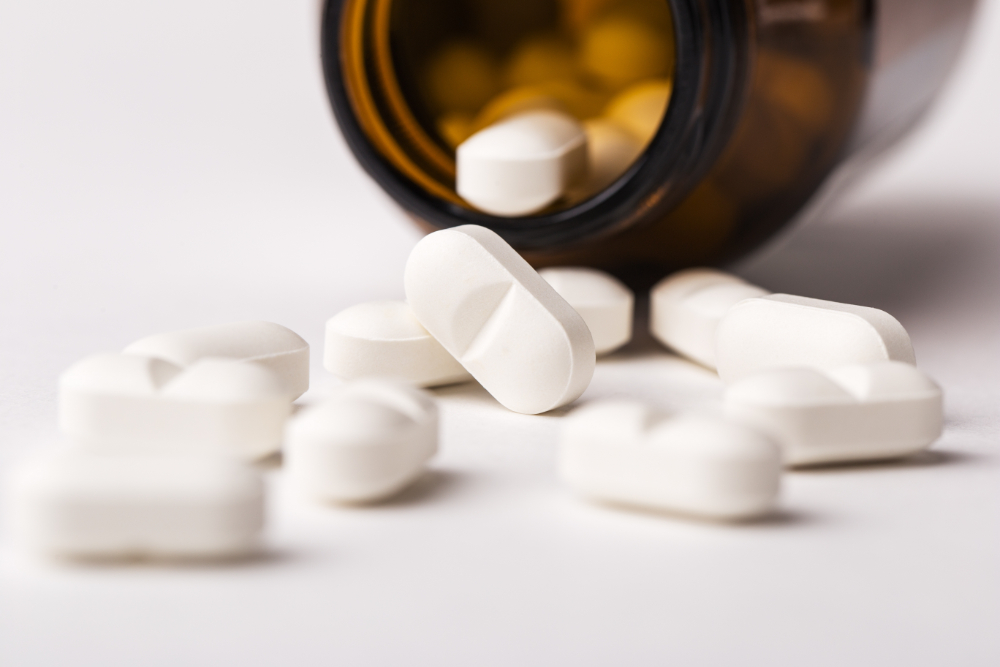
Experts recommend considering medication when blood pressure consistently exceeds 140/90 mmHg for adults under 80 years old, and 160/90 mmHg for healthy individuals over 80.
Naturally Low Blood Pressure Is the Best

People who naturally have low blood pressure without symptoms have a significantly lower risk of cardiovascular disease compared to those at standard normal levels.
How to Keep Your Blood Pressure Healthy
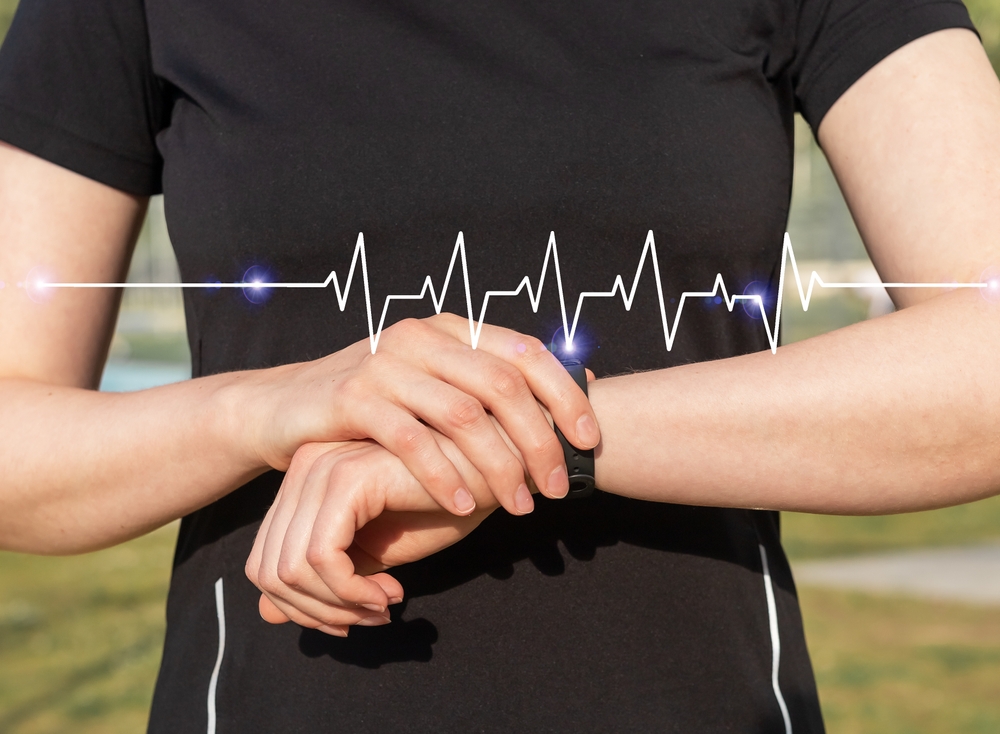
Lifestyle changes make a huge difference: regular exercise, weight management, a healthy diet, and stress reduction can lower blood pressure dramatically — sometimes even eliminating the need for medication.
The article is based on information from Focus Online
This article is made and published by Mie Hermansen, who may have used AI in the preparation.