
Heart attacks don’t always look like they do in the movies. Being able to spot the warning signs and respond quickly can make the difference between life and death. Here are 10 crucial things to know.
Know the Subtle Symptoms

A heart attack doesn’t always come with crushing chest pain. You might feel pressure that radiates to your arm, jaw, or back, or vague symptoms like nausea, exhaustion, or shortness of breath. Pay attention to anything unusual from the waist up.
Don’t Wait – Call Emergency Services

If something feels wrong, act fast. Even if you’re unsure whether it’s a heart attack, call for medical help immediately. Early treatment dramatically improves survival rates and long-term outcomes.
Never Drive Yourself to the ER

Even if you think you can make it, don’t get behind the wheel. A sudden loss of consciousness could put you and others in danger. Paramedics are trained to give life-saving treatment en route, so call an ambulance.
Take Aspirin If You Can
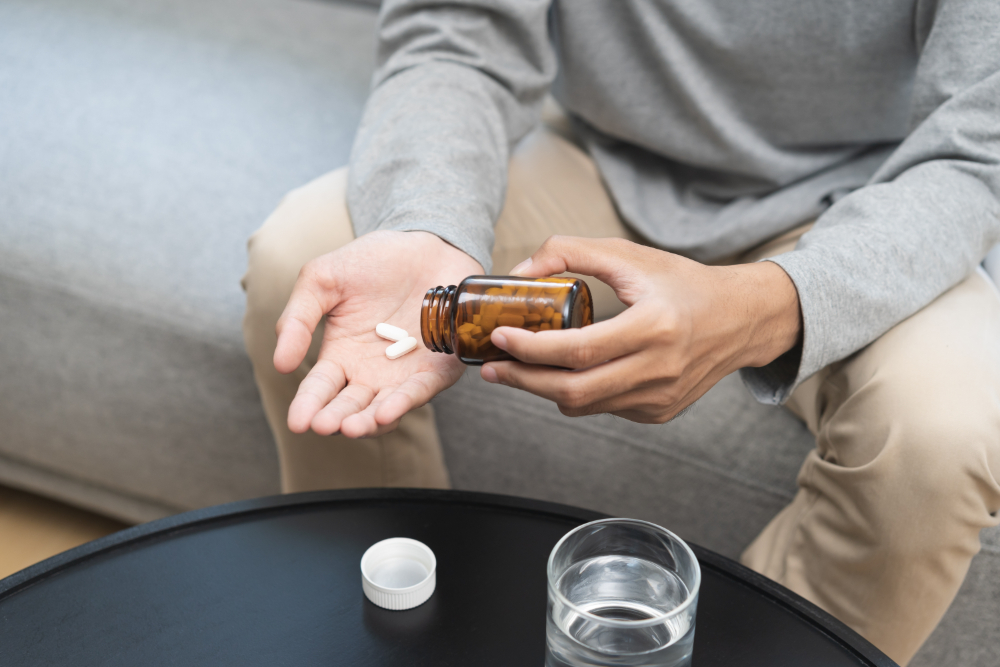
Chew a standard aspirin (325 mg) or four baby aspirins (81 mg each) while waiting for help to arrive. It helps reduce blood clotting, which can limit heart damage during an attack.
Know That Hospitals Must Treat You

In the U.S., hospitals are legally required to treat anyone facing a life-threatening emergency. Worry about costs later—your health comes first, and there are often solutions to help with medical bills afterward.
Don’t Brush Off Atypical Symptoms

Heart attacks may show up differently in women and people with conditions like diabetes. Feeling “off,” dizzy, extremely tired, or having indigestion could all be signs. Trust your body and don’t delay seeking help.
Speak Up For Yourself
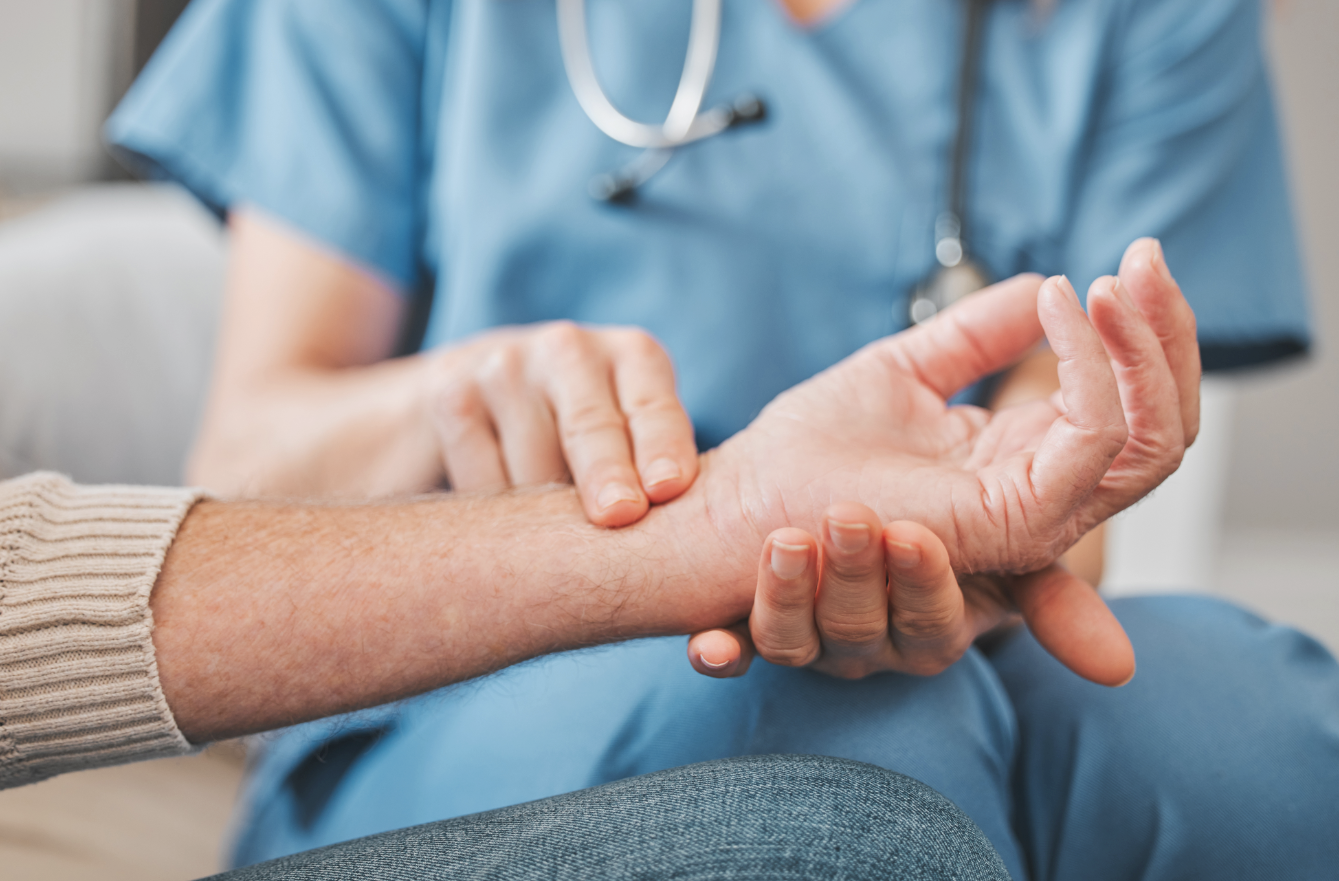
Research shows that women and people of color are less likely to be taken seriously during a cardiac emergency. Be persistent. Ask direct questions and, if necessary, bring someone with you who can advocate on your behalf.
Learn Basic CPR
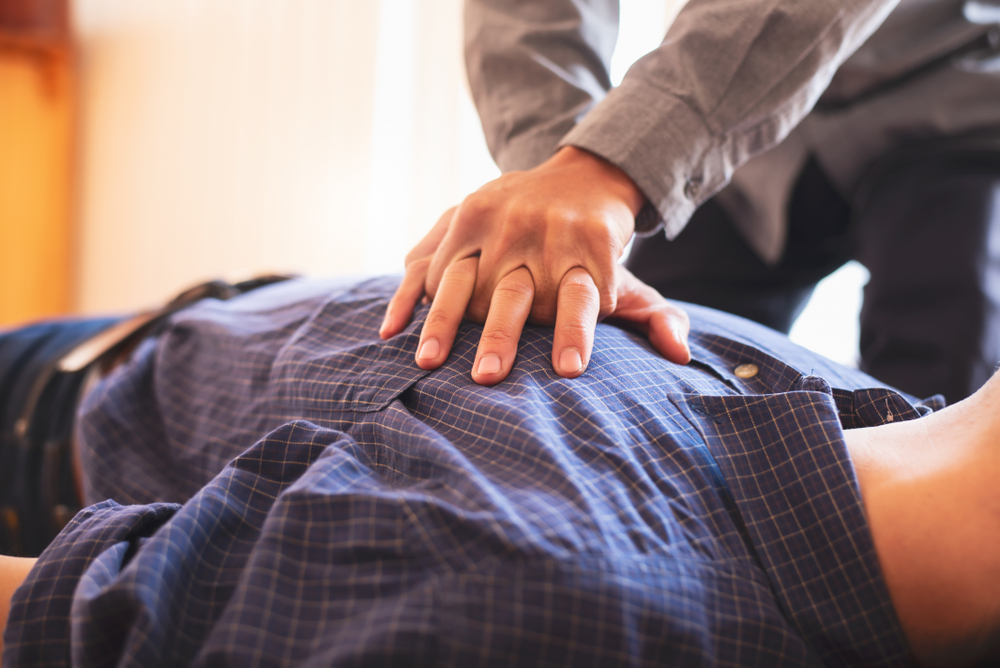
If someone around you collapses from a suspected heart attack, call emergency services first, then begin CPR. Basic training is widely available and can give you the skills to save a life in critical minutes.
Make Prevention A Priority

Avoiding a heart attack starts with lifestyle: exercise regularly, eat well, manage stress, and get checkups. Stay on top of cholesterol and blood pressure, and don’t smoke. Prevention is your best defense.
Track Your Heart Health At Home
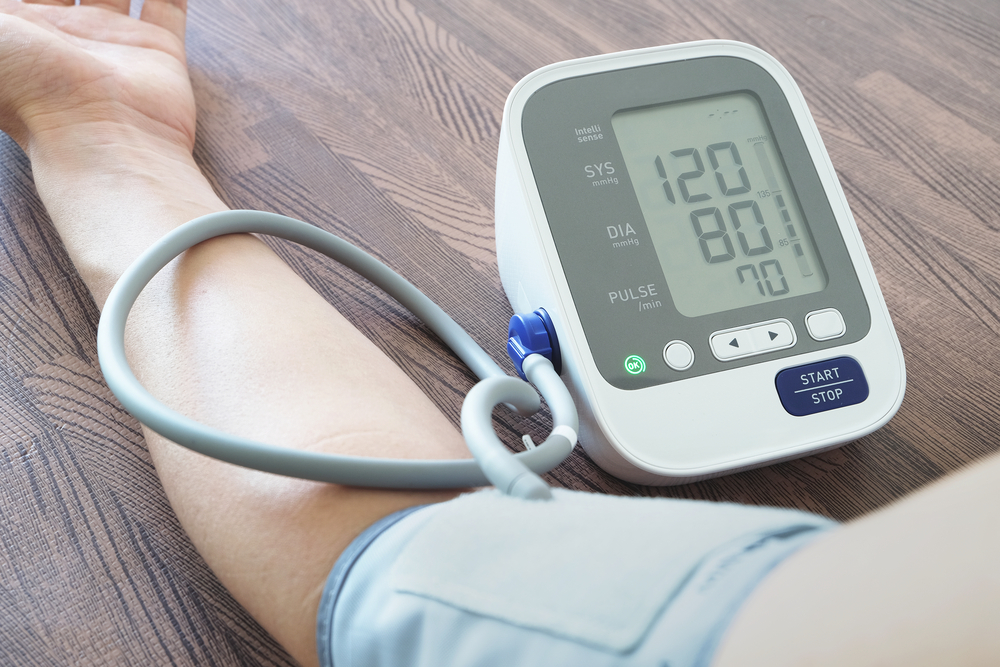
Use devices like blood pressure monitors or fitness trackers to keep an eye on your health. These tools can help you spot red flags early and motivate you to stay on top of your fitness and cardiovascular wellness.
Artiklen er baseret på informationer fra cnet.com
This article is made and published by Mie Hermansen, who may have used AI in the preparation.