
Microplastics have been found in the human body — but can they be removed? A new study explores whether a medical filtration technique could help cleanse the bloodstream of these invisible invaders. Here are the key takeaways from the groundbreaking findings.
Microplastics Are Already Inside Us
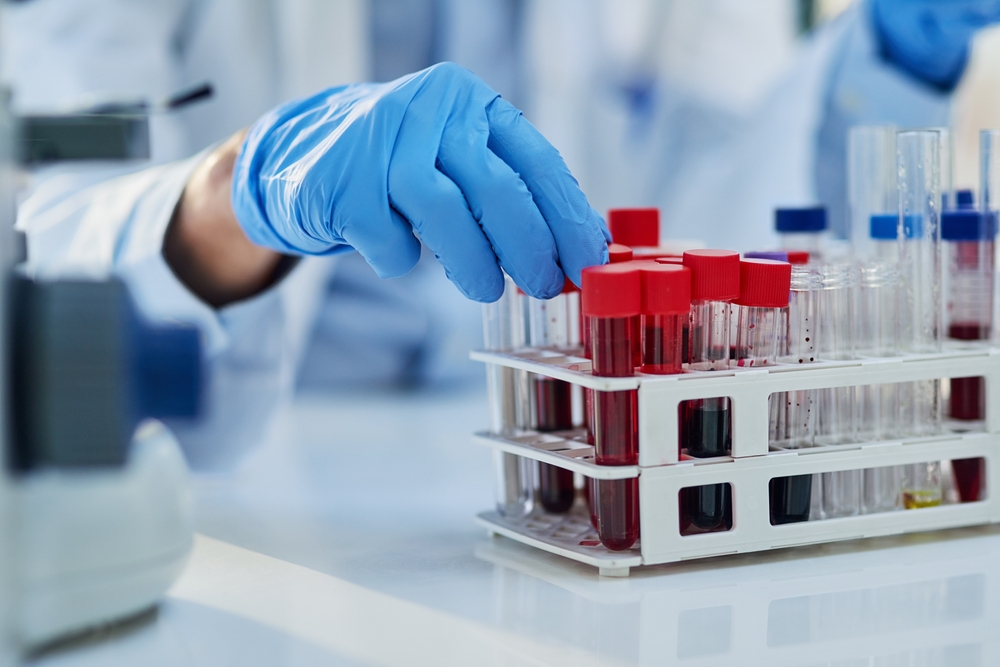
From the ocean to our organs, microplastics have infiltrated the environment — and our bodies. Scientists are now investigating how this exposure may be contributing to chronic illnesses.
Meet MNPs: The Microscopic Culprits

Microplastics and nanoplastics (collectively called MNPs) come from degrading plastic waste or are manufactured for use in everyday products like cosmetics and drugs.
Health Risks Linked to MNP Exposure

Research suggests these particles could be involved in conditions like cardiovascular disease, cancer, infertility, and even dementia, though precise mechanisms are still under review.
An Unavoidable Threat

MNP exposure is constant and nearly impossible to avoid. That’s why researchers are focusing on how to eliminate them from the body instead of trying to avoid them altogether.
Therapeutic Apheresis Enters the Picture

The study tested therapeutic apheresis — a blood filtration technique typically used to treat autoimmune disorders — to see if it could help remove microplastic-like particles from patients.
What Happens During Apheresis?
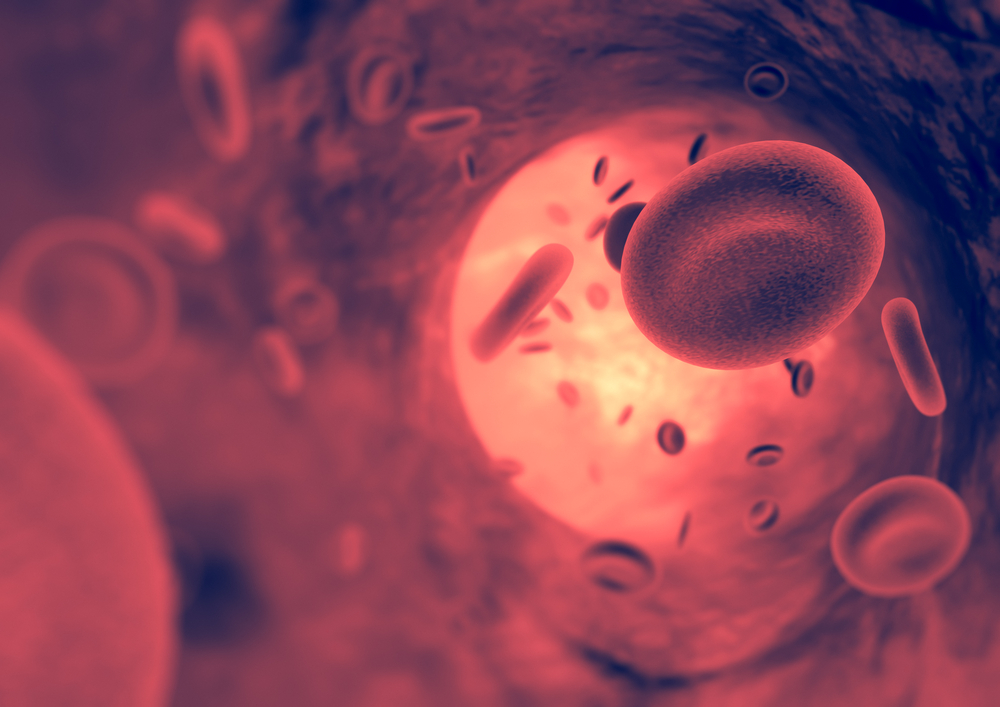
Blood is withdrawn from the patient, passed through specialized filters, and returned. These filters are designed to remove specific components — and in this case, they were analyzed for microplastic content.
Study Focused on Fatigued Patients

The participants were individuals suffering from post-infectious chronic fatigue syndrome, a condition increasingly linked to environmental pollution and immune dysregulation.
Microplastic-Like Particles Were Detected
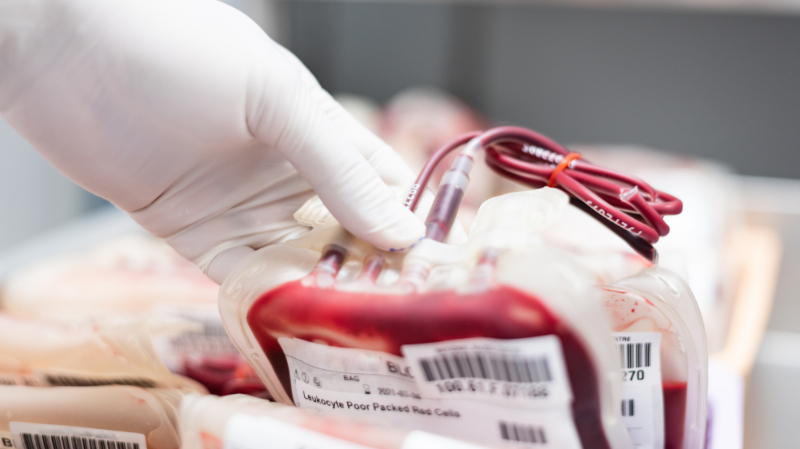
Advanced infrared spectroscopy detected the presence of plastic-like materials, including nylon and polyurethane, in the filtered waste — but not in control samples.
Some Particles Were Extremely Small

Some of the substances found were under 200 nanometers, which aligns with concerns that ultrafine plastics may embed themselves deep within tissues and organs.
More Research Is Needed
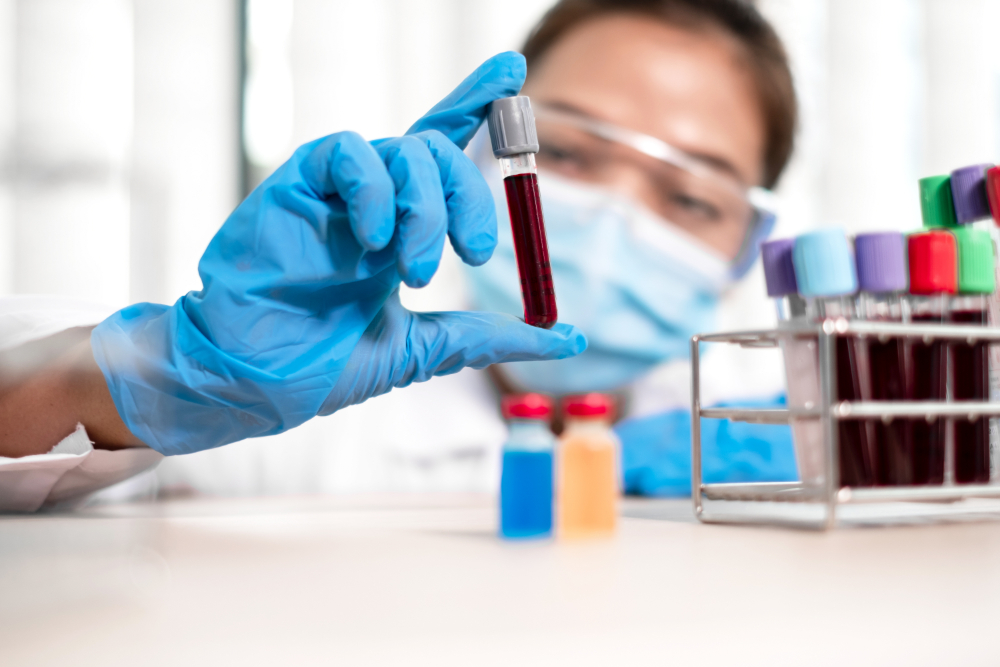
While the early results are intriguing, scientists stress that larger studies are essential. It’s still unclear how much plastic is being removed and whether this has measurable health benefits.
Artiklen er baseret på informationer fra News Medical
This article is made and published by Mie Hermansen, who may have used AI in the preparation.