
Most people don’t realize that their daily sitting habits could be silently damaging their health.
Whether at work or relaxing at home, excessive sitting carries serious risks.
Here’s what you need to know about when sitting becomes dangerous – and what you can do about it.
Blood flow slows down

Prolonged sitting affects blood circulation, especially to your legs.
This can result in swelling and increased chances of blood clots, particularly if you don’t move for hours.
Blood pressure can rise
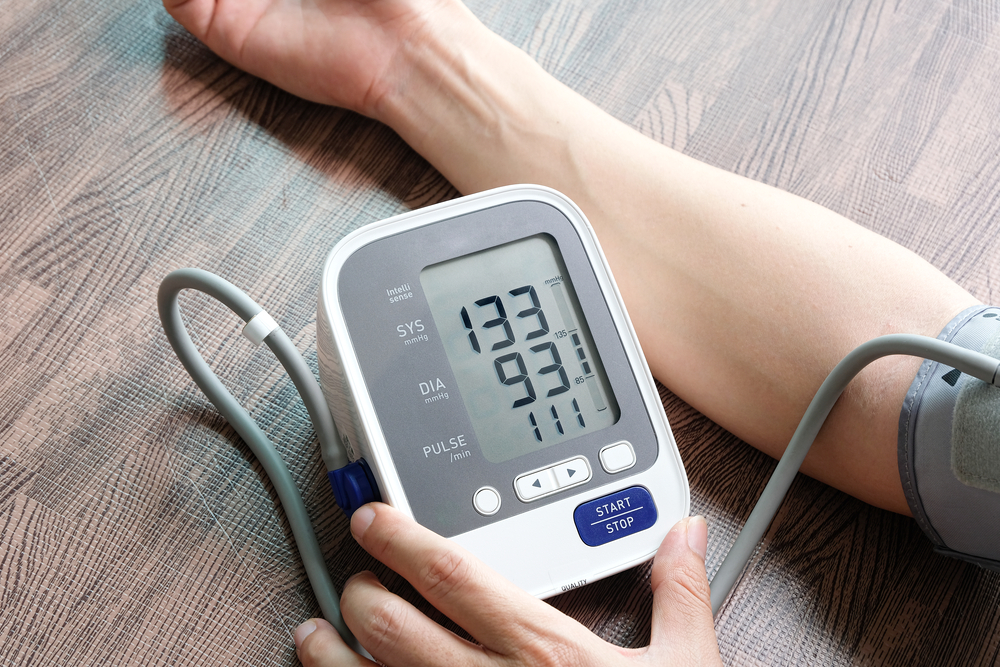
Studies show that extended periods of sitting are linked to elevated blood pressure. Even healthy individuals can develop hypertension from too much sedentary time.
Metabolism slows dramatically

Sitting for long stretches can reduce your metabolic rate, making it harder for your body to process food and burn calories.
This leads to weight gain and other related health issues.
Muscles and joints suffer

Pain in the neck, shoulders, lower back, and thighs can develop after just 2 hours of sitting.
The lack of movement stresses the musculoskeletal system, leading to chronic discomfort or injury.
Mental performance declines

Your brain also pays the price. Long sedentary sessions can reduce mental alertness, creativity, and even worsen mood and energy levels over time.
Small changes make a big difference

Experts recommend breaking up sitting time with movement every 30 minutes.
Even short walks, standing desks, and stretching can lower the risks associated with sitting all day.
Sitting less than 4 hours per day

If you sit for under 4 hours a day, your health risk is considered low.
This doesn’t mean you should skip exercise, but it places you in a safer category compared to those with more sedentary lifestyles.
Sitting for 4–8 hours per day

Sitting within this range increases your health risk moderately.
It’s a common bracket for office workers, and while not immediately alarming, it still requires regular movement to balance out the impact.
Sitting for 8–11 hours per day

Once you hit 8 hours of sitting, the risk escalates.
Research links this level of inactivity to heart disease, diabetes, and even certain cancers. Movement breaks and exercise are crucial at this stage.
Sitting over 11 hours per day

Sitting more than 11 hours per day is considered extremely hazardous. It significantly raises your risk of chronic illness and early death.
This level demands immediate lifestyle changes to counteract the damage.
This article is based on information from Medical News Today.
This article is made and published by Ida-Marie Palm Varbæk, who may have used AI in the preparation.