
Death is more than a single moment – it’s a process your body goes through step by step.
From your last breath to the changes that unfold in the hours and days that follow, here’s what really happens to your physical body after death.
Your muscles relax and you lose control
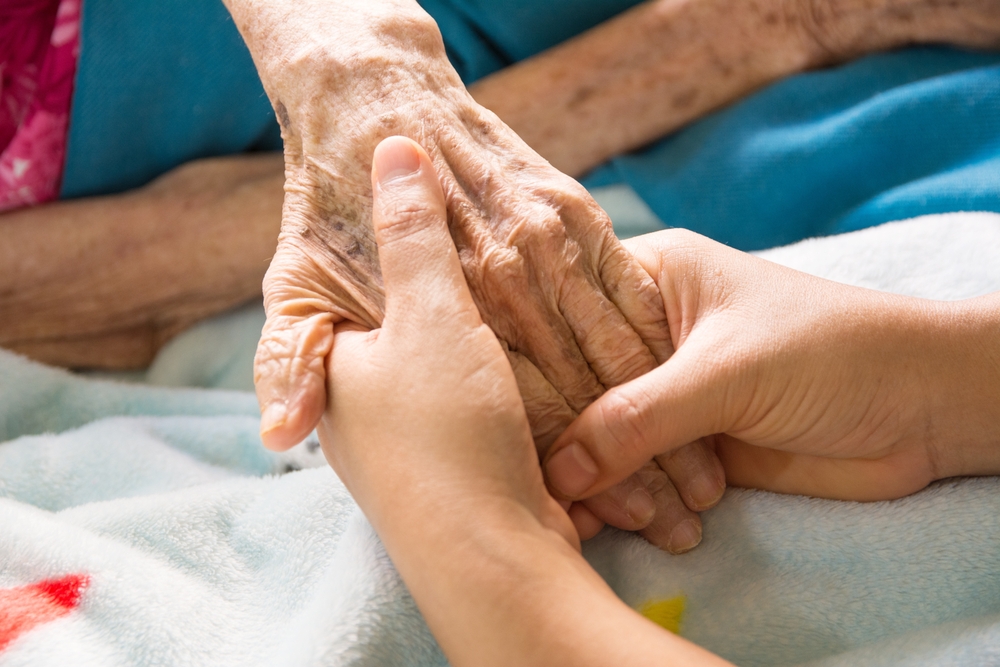
Immediately after death, your muscles lose all tension.
This includes the muscles that control your bladder and bowels, which often results in involuntary urination or defecation. It’s one of the body’s final automatic reactions.
Your body temperature drops rapidly

Without metabolic activity to generate heat, the body begins to cool down at a steady rate – about 0.83°C (1.5°F) per hour – until it matches the surrounding environment.
This is known as algor mortis.
Blood settles in the lower parts of your body

As the heart stops beating, gravity causes blood to pool in the body’s lowest points.
This results in purplish-red discoloration of the skin in those areas, a process called livor mortis.
Rigor mortis sets in

A few hours after death, the body begins to stiffen – starting in the face and neck and moving down to the limbs. This is called rigor mortis.
It peaks after about 12 hours and fades after a few days when decomposition sets in.
Your breathing patterns become erratic

Before death, breathing often becomes irregular and shallow, with long pauses between breaths.
A distinctive “death rattle” may be heard if saliva accumulates in the throat and can’t be cleared due to weakened muscles.
You drift in and out of consciousness
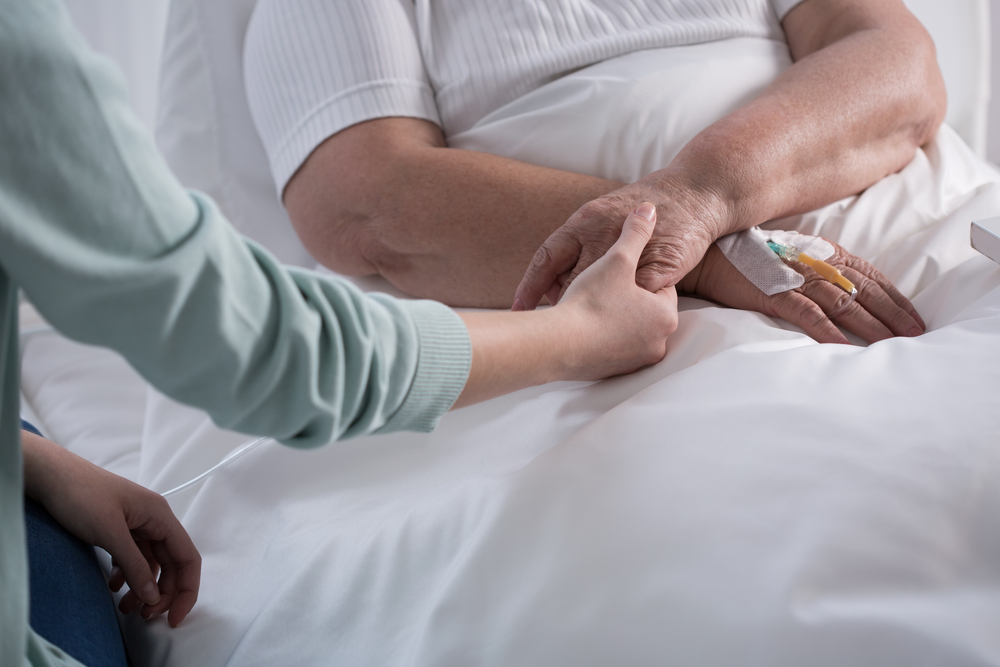
As death nears, people often slip into extended unconsciousness or a coma-like state.
Touch and hearing are typically the last senses to go, meaning dying individuals may still feel and hear even if they can’t respond.
You stop eating and drinking

As the body prepares to shut down, digestion slows and appetite fades.
Many people nearing death stop eating and drinking altogether, and forcing food can do more harm than good in these final stages.
Sensory perception becomes distorted
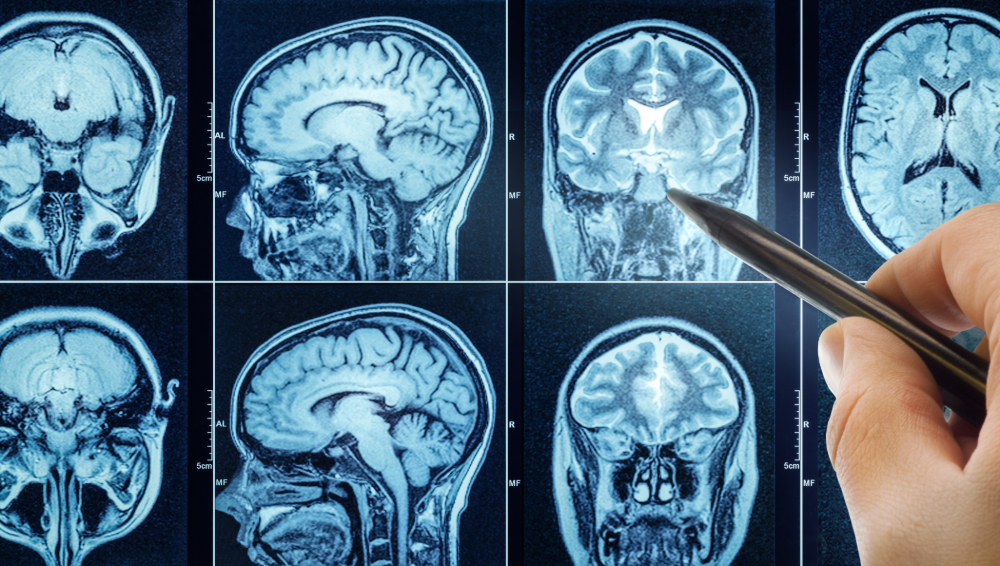
The dying brain may interpret sensory input differently.
Sounds may seem louder or more frightening, and hallucinations can occur – often described as visions of light or deceased loved ones.
These experiences are believed to result from chemical changes in the brain.
You begin to withdraw from social interaction
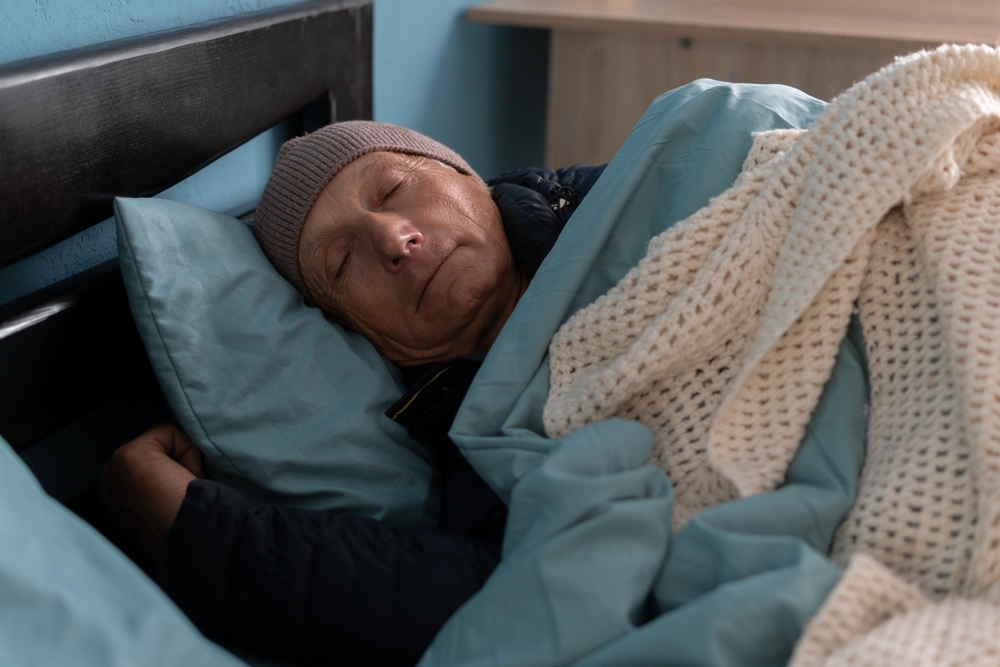
In the final days or hours, many people lose interest in the world around them. They may become quiet, avoid conversations, or want to be alone.
This emotional detachment is part of the natural dying process.
All vital functions stop

Once the heart, brain, and lungs fully shut down, physical signs of death appear: no pulse, fixed pupils, and no response to stimuli.
Muscles relax, body temperature drops, blood pools, the skin sags, and after a while, tissues start to break down. This initiates the body’s return to the earth.
This article is based on information from Cleveland Clinic.
This article is made and published by Ida-Marie Palm Varbæk, who may have used AI in the preparation.