
Milk contains saturated fat, but drinking it every day does not necessarily mean your cholesterol levels will rise. Research suggests that milk's combination of nutrients may influence how the body responds to its fat content. Your overall eating habits also play an important role.
Milk doesn't necessarily raise cholesterol levels
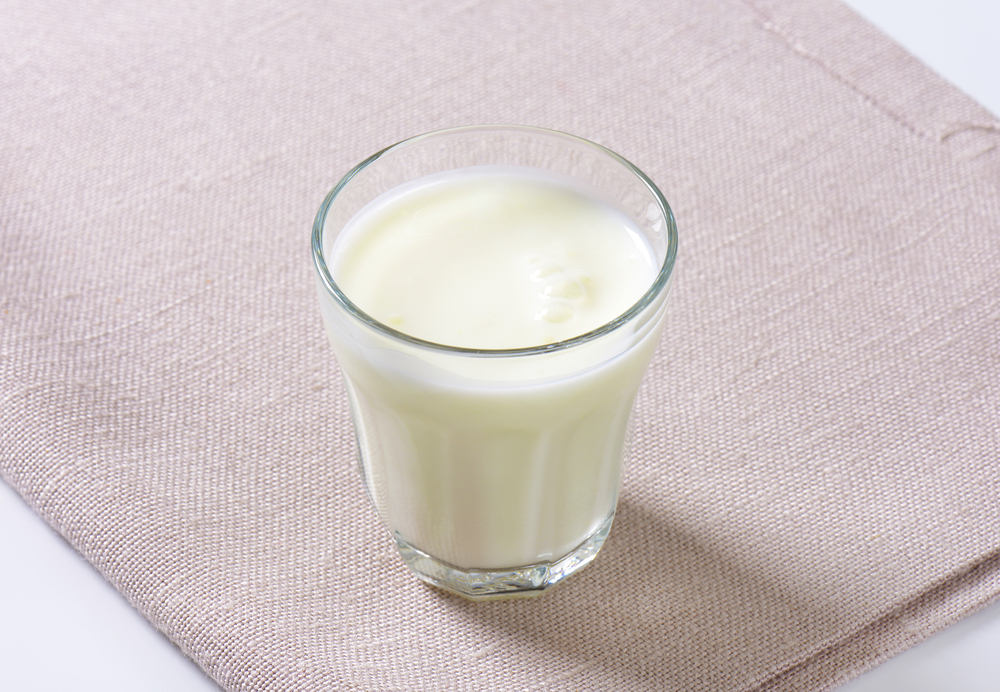
Although milk contains saturated fat, several studies suggest that drinking it regularly does not automatically lead to higher cholesterol levels. Researchers have examined changes in both total cholesterol and LDL cholesterol, commonly known as bad cholesterol. Overall, the findings indicate that milk may have a neutral or potentially beneficial effect on cholesterol levels.
Researchers compared whole milk and skim milk

In a small study, participants drank approximately two cups of either whole milk or skim milk daily for three weeks. Despite the difference in fat content, researchers found no significant differences in total cholesterol or LDL cholesterol between the two types of milk. However, the findings should be interpreted cautiously because the study was short, involved relatively few participants and did not include people with high cholesterol.
Milk may also affect good cholesterol

Milk's potential influence on cholesterol is not limited to LDL. Some smaller studies have reported slight increases in HDL cholesterol, often referred to as good cholesterol. However, the available evidence is not strong enough to conclude that drinking milk consistently raises HDL levels. These preliminary findings highlight the complexity of the relationship between milk consumption and cholesterol.
Also read: Nearly 1 in 10 adults suffer from this painful form of eczema: Here's how to fix it
Fat content doesn't tell the whole story

Evaluating milk's effects on health requires looking beyond its saturated fat content. Milk contains numerous other compounds that may influence how the body responds to it. Researchers describe this combination as the dairy matrix, which includes vitamins, minerals, different types of fatty acids and bioactive compounds.
Milk's nutrients may offer protective benefits
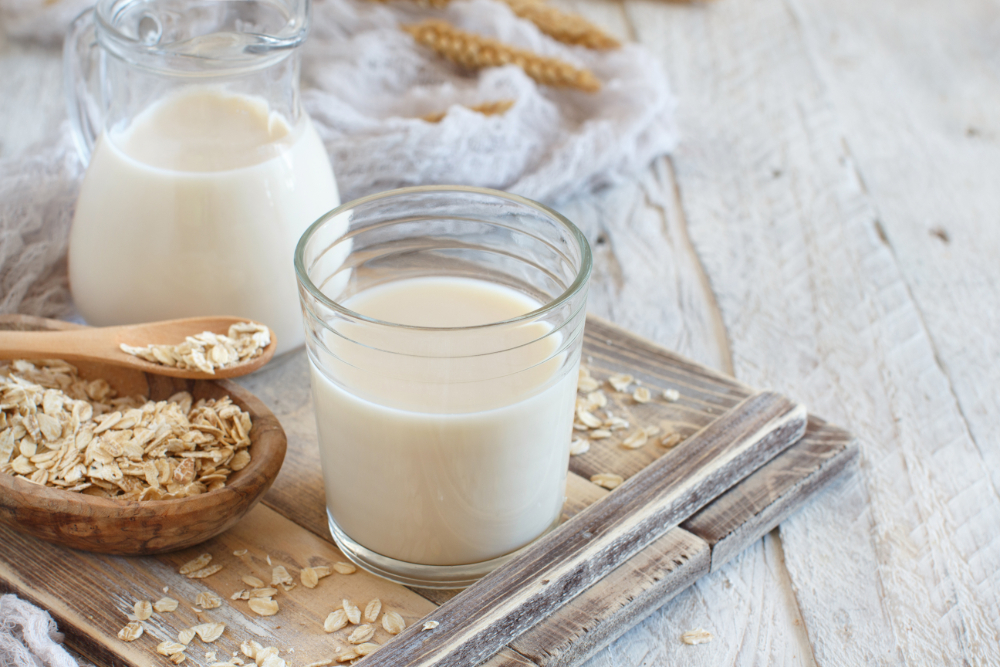
According to registered dietitian Lauren Twigge, the combination of nutrients found in dairy products may help counteract some of the negative effects typically associated with saturated fat. These nutrients include calcium, magnesium, potassium, vitamin D and several B vitamins. All have been linked to supporting heart health and may help explain why milk does not always affect cholesterol levels as expected.
A glass of milk provides more than protein

Milk supplies several essential nutrients that support different functions throughout the body. One cup, approximately 240 milliliters, contains about 8 grams of high-quality protein. It also provides calcium, phosphorus, potassium, vitamin B12 and riboflavin. Together, these nutrients help maintain strong bones and support muscle growth, maintenance and repair.
Full-fat dairy isn't necessarily unhealthy

Research has not consistently linked full-fat dairy consumption with an increased risk of obesity, diabetes or cardiovascular disease. Some studies even suggest that these foods may offer certain health benefits. This does not mean every full-fat dairy product is automatically healthy, but it does suggest that its overall nutritional composition deserves consideration rather than focusing exclusively on fat content.
Also read: The best time to ventilate your home in winter, according to experts
Saturated fat still deserves attention

The encouraging findings about milk do not change existing recommendations to limit saturated fat intake. Replacing unsaturated fats with saturated fats in the diet can increase LDL cholesterol levels. The Dietary Guidelines for Americans therefore recommend keeping saturated fat below 10% of total daily calories, while the American Heart Association advises limiting it to no more than 6%.
Lower-fat milk may be preferable for high cholesterol

For people who already have elevated LDL cholesterol, registered dietitian Liz Weiss recommends choosing skim milk or milk containing approximately 1% fat. This advice aligns with recommendations from the American Heart Association. Those who prefer milk with a higher fat content should consider both their portion sizes and the amount of saturated fat they consume from other foods throughout the day.
Milk can make breakfast more nutritious

One simple way to include milk in your diet is to use it instead of water when preparing oatmeal. This creates a creamier texture while increasing the meal's protein and calcium content. Milk also works well in chia pudding and overnight oats. Adding fresh berries to these meals provides additional fiber and antioxidants.
Milk can make smoothies more satisfying

Fruit smoothies often contain relatively high amounts of carbohydrates. According to registered dietitian Lauren Twigge, the protein and fat in milk can help create a more balanced smoothie while making it more filling. Milk can also give soups and sauces a smoother texture or make scrambled eggs fluffier. Drinking a cold glass of milk on its own is another convenient way to obtain protein and other important nutrients.
Also read: Chronic loneliness linked to 38% higher dementia risk, new study finds
Your overall diet matters most

Your daily glass of milk is unlikely to be the only factor determining how your cholesterol levels change. According to dietitians, both lower-fat and full-fat dairy products can fit into an eating pattern that supports heart health. What matters most is maintaining a varied diet that includes nutrient-rich foods such as vegetables, fruits, whole grains, legumes, nuts and lean protein sources.
Also read: Winter is the worst time for vitamin D - and 42 percent of Americans are already low
This article is made and published by Mie Hermansen, who may have used AI in the preparation.