
You’ve tied your shoes, picked your playlist, and you’re ready to hit the pavement. But wait – what did you eat?
The right fuel can make the difference between dragging your feet and smashing your goals.
Here are the top foods you should eat before and after your run, according to dietitian Lon Ben-Asher.
Eat 2–3 hours before your run

According to Lon Ben-Asher, a balanced meal with complex carbs, moderate protein, and low fat should be eaten 2–3 hours before a long run.
This gives your body time to digest and convert food into usable energy.
Skip these foods before running

Fatty foods like burgers and cheese can slow digestion and leave you feeling sluggish. High-fiber options like Brussels sprouts can cause bloating or gas mid-run.
Avoid hot sauce, pastries, and anything that could lead to indigestion or an energy crash.
For short runs, snack 30–60 minutes before

If you’re heading out for a shorter run, a small snack high in simple carbs is enough.
Think a banana, some dried fruit, or a piece of toast. Keep it light and easy to digest for a quick energy boost.
Oatmeal
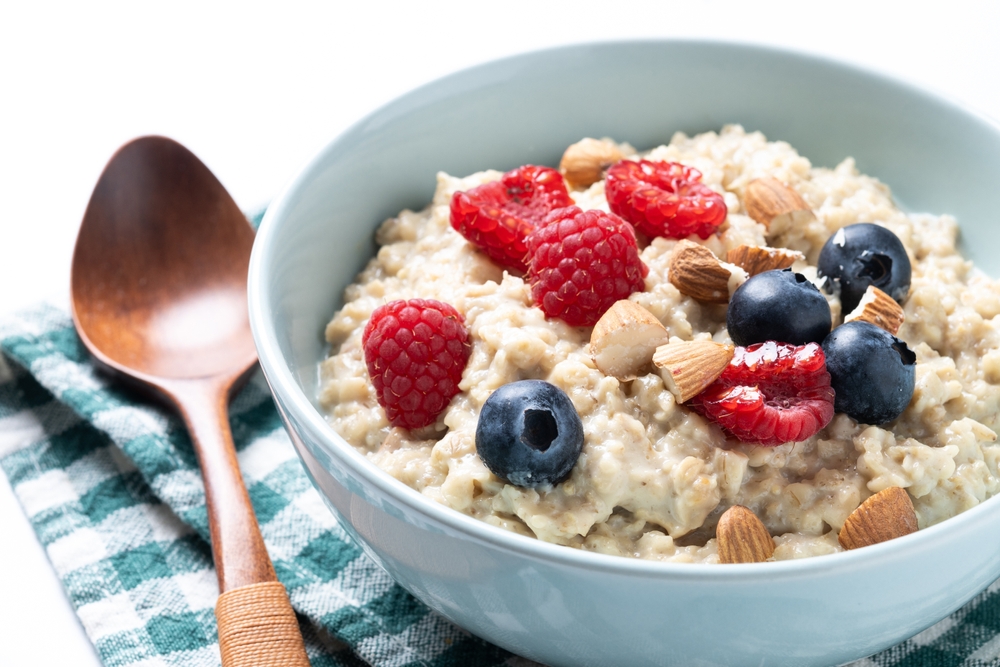
Oatmeal is packed with complex carbs that provide a slow, steady release of energy – ideal for keeping your pace strong throughout your run.
Pro tip: Try savory oatmeal for a protein boost and extra flavor.
Quinoa
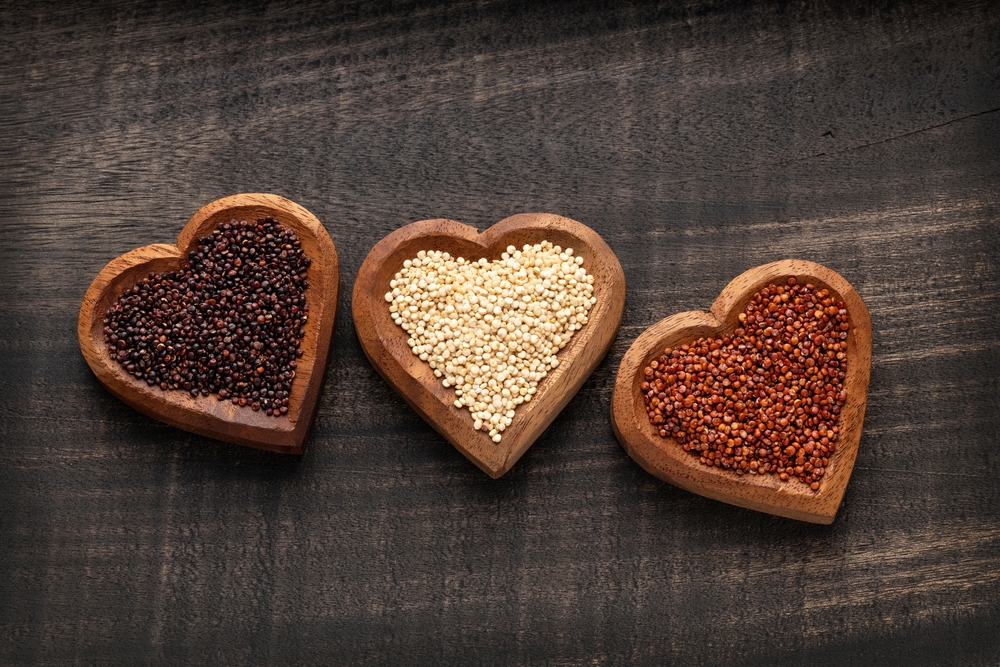
This gluten-free grain is a plant-based powerhouse, rich in protein and slow-digesting carbs.
It keeps you fueled longer and pairs well with almost anything, from roasted veggies to lean meats.
Whole wheat pasta

There’s a reason pasta parties are a pre-race tradition. Whole wheat pasta combines protein and complex carbs to help maintain energy levels and delay fatigue.
Your body will thank you halfway through that long run.
Sweet potato
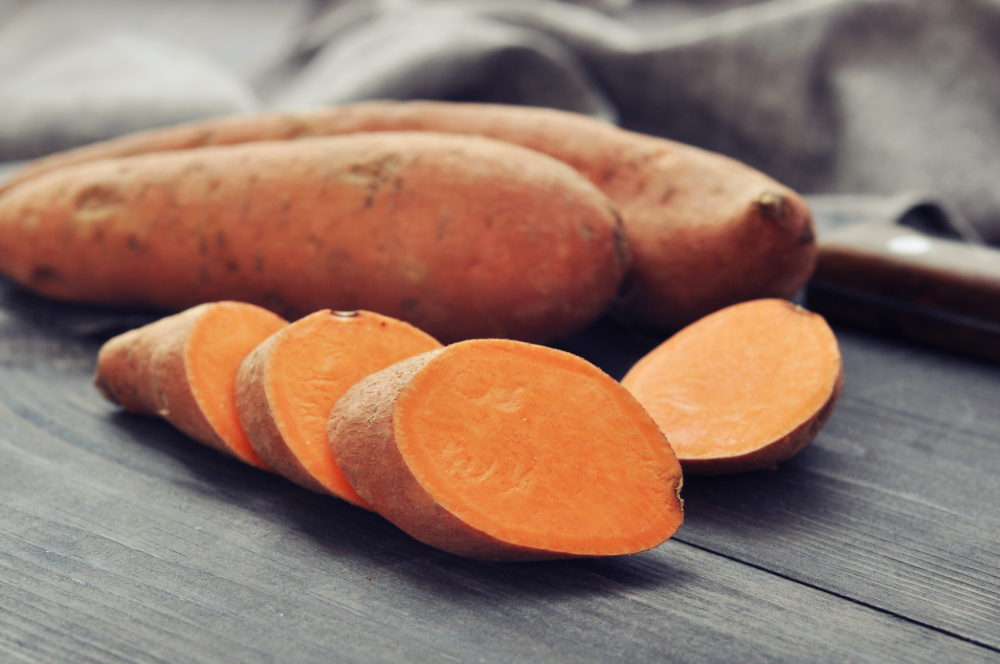
Sweet potatoes are loaded with potassium for electrolyte balance and vitamin A for recovery.
They also contain complex carbs that hydrate and fuel your muscles for longer distances.
Brown rice
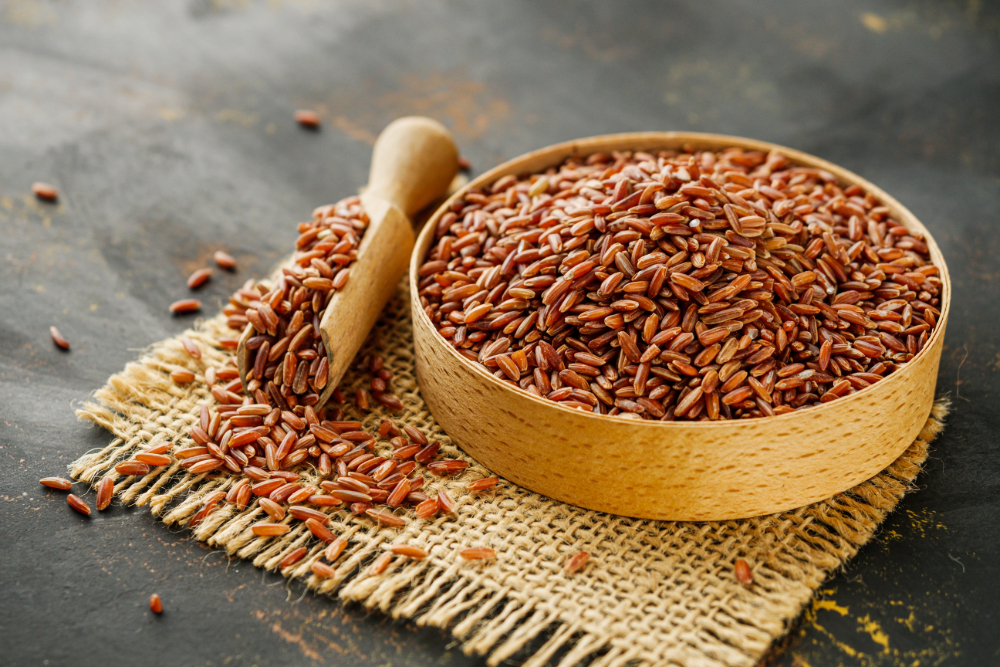
If you want to avoid a mid-run crash, brown rice is your friend.
Its slow-release energy profile makes it a smart choice for endurance athletes looking for stability and stamina.
Yogurt or cottage cheese after your run
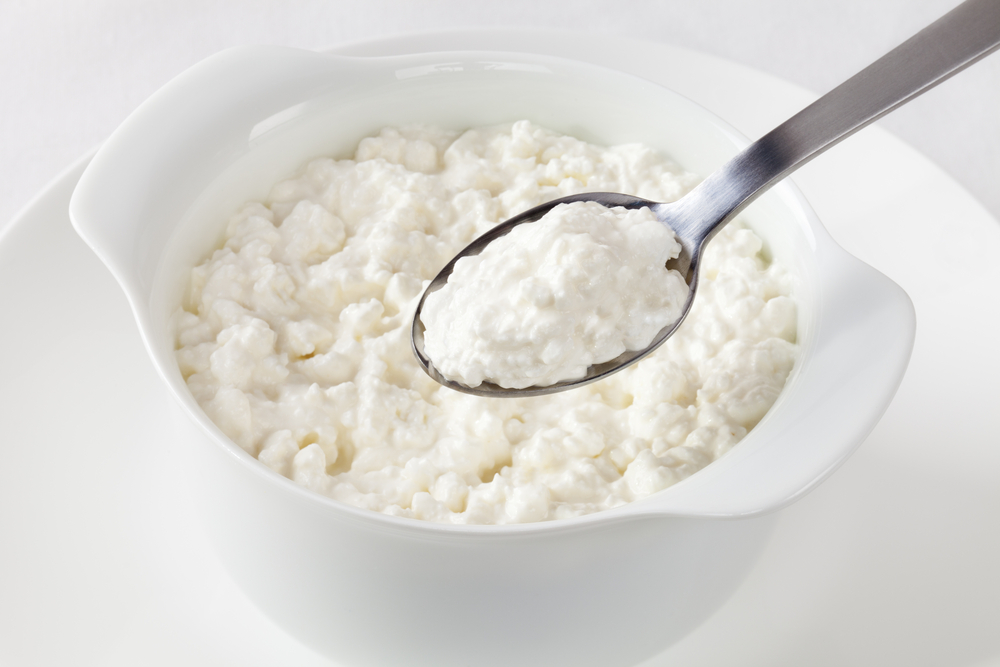
Post-run recovery is all about protein. Yogurt or cottage cheese is a perfect choice – add berries for antioxidants and carbs.
Bonus: calcium and vitamin D help strengthen your bones and support long-term performance.
Chocolate milk for easy recovery
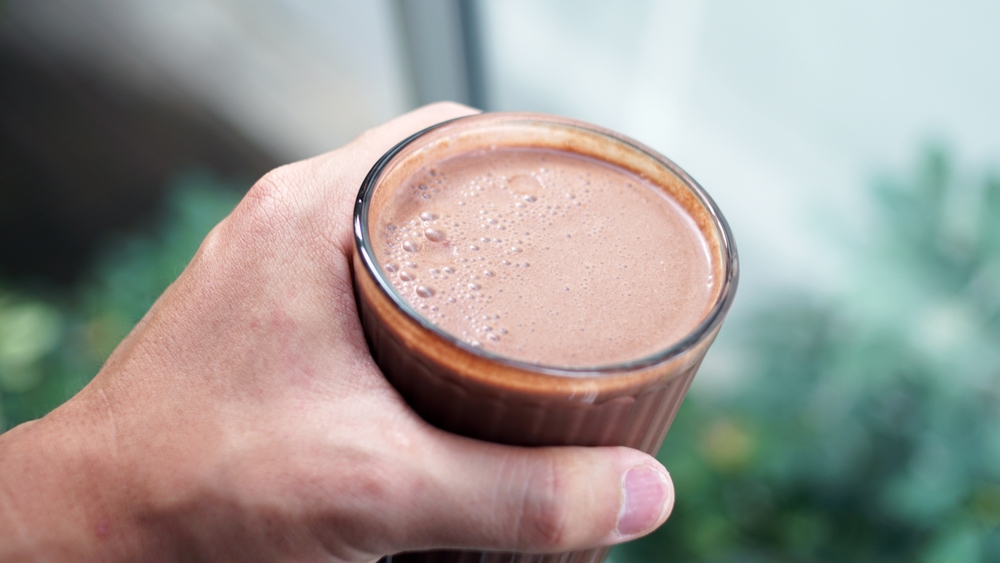
Struggle to eat after a run? Go liquid. Low-fat chocolate milk is a recovery MVP, offering carbs, protein, and hydration all in one.
Just be mindful of added sugars, and drink it chilled for best results.
This article is based on information from PureWow.com.
This article is made and published by Ida-Marie Palm Varbæk, who may have used AI in the preparation.