
According to new research, just one cup of beans a day can make a significant difference - especially if you have prediabetes.
Here's what you can expect when you make beans a daily habit.
Cholesterol levels drop significantly
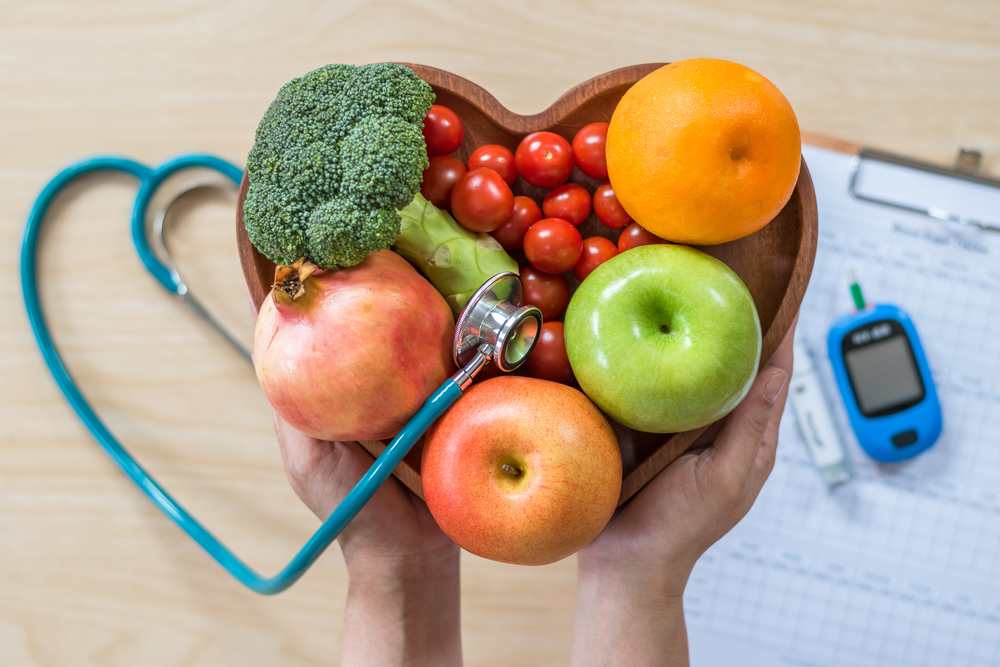
After 12 weeks of eating chickpeas daily, participants in the study experienced a decrease in total cholesterol, LDL ("bad" cholesterol), and triglycerides - a type of fat in the blood linked to heart disease.
Reduced inflammation throughout the body

Both black beans and chickpeas lowered markers of inflammation, which are associated with chronic illnesses.
Also read: How to Keep Your Butt Clean After Number Two
Black beans had a particularly strong anti-inflammatory effect after 12 weeks.
An easy way to boost heart health

Beans are high in fiber, which can prevent cholesterol from being absorbed in the gut.
This makes them powerful allies in reducing the risk of clogged arteries and heart disease.
A budget-friendly health upgrade
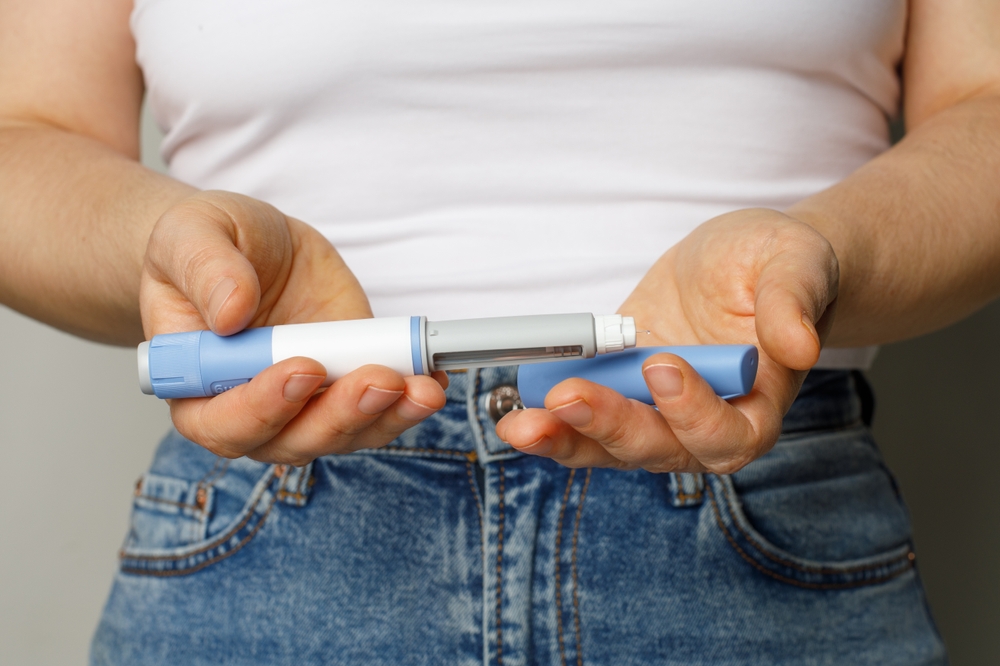
Chronic illnesses like diabetes often hit low-income populations hardest.
Also read: Night Leg Cramps Could Be a Sign of Something More Serious
Beans are cheap, accessible, and packed with nutrients - making them a practical solution for better health.
Feel full without overeating
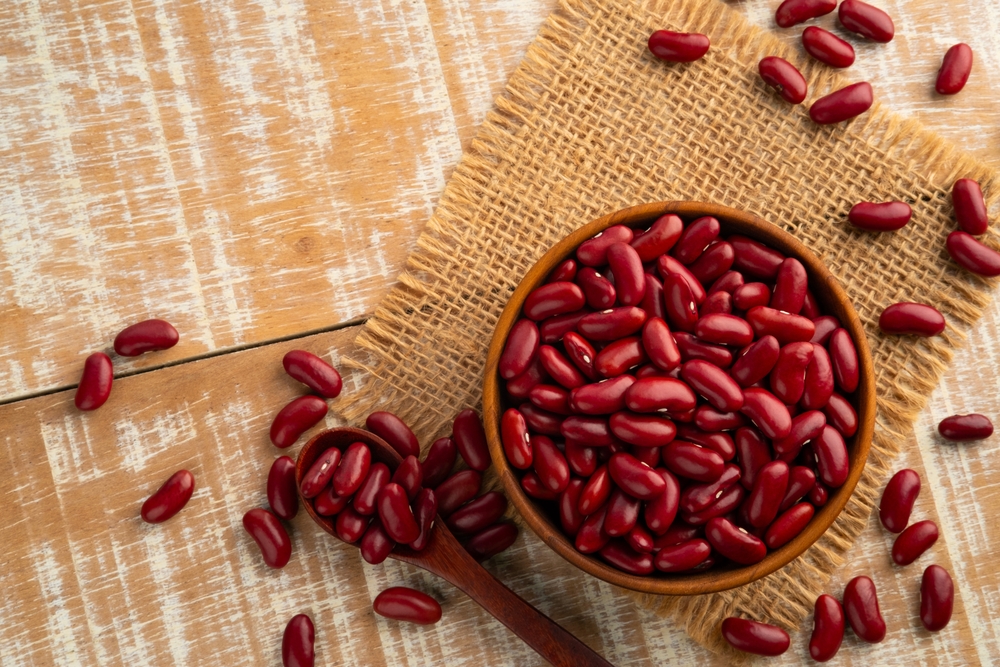
Beans offer excellent satiety thanks to their high fiber content, while being low in calories and saturated fat.
This makes them ideal for managing weight, especially for those with prediabetes.
A gut-health superfood
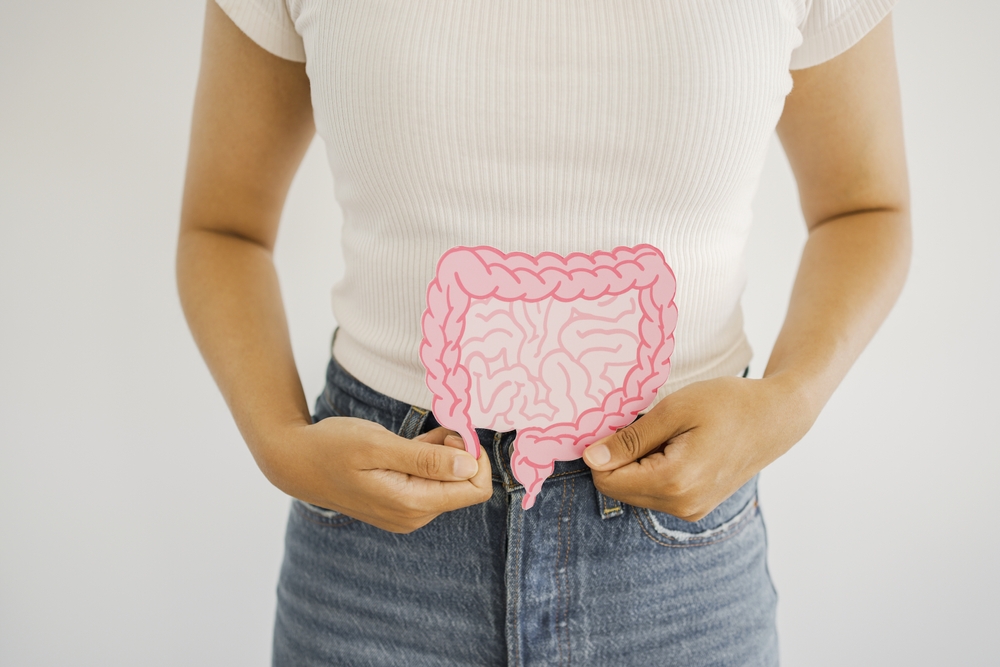
The fiber in beans feeds your gut’s beneficial bacteria, which produce anti-inflammatory compounds that may boost immunity and help regulate inflammation levels.
Also read: Early Signs of Bowel Cancer That Are Often Missed
Packed with nutrients - no additives required

Beans are naturally rich in vitamins, minerals, and plant-based protein. They offer a whole-food alternative to processed meals filled with additives, sugar, or sodium.
Promising, but not a miracle cure
Researchers caution that the results may not apply to the entire population, since the study was limited to people with prediabetes.
Still, the benefits are clear for this high-risk group.
Versatile and easy to add to meals
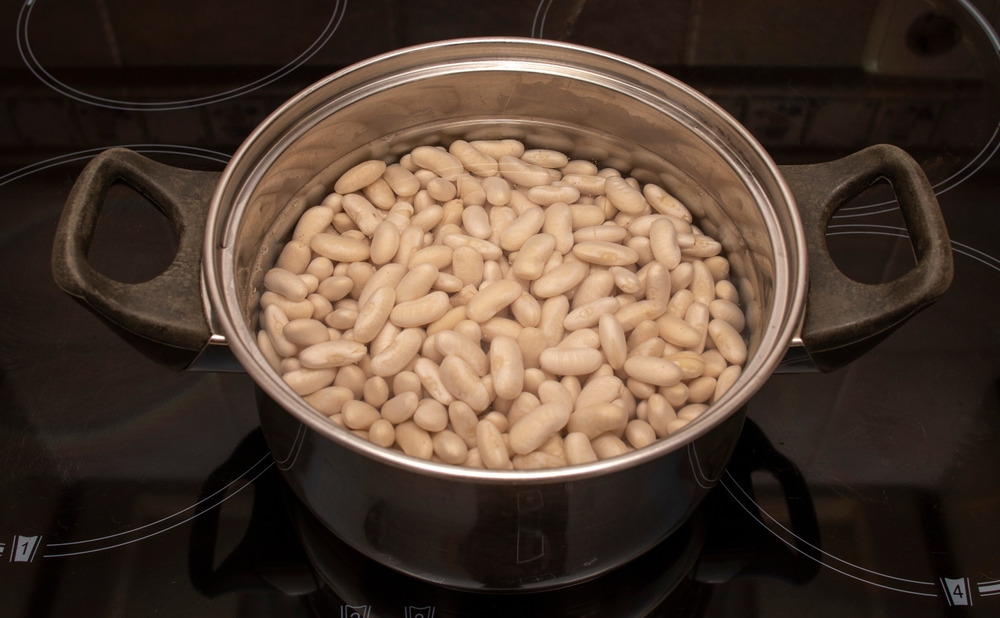
Beans can be added to everything from wraps and salads to stews, pastas, tacos, and hummus.
Also read: Reasons You Shouldn’t Feel Guilty for Ending a Relationship
Use canned versions or prepare batches in an Instant Pot to keep on hand all week.
Chickpeas make a healthy meat alternative

Replacing red meat with chickpeas can reduce your intake of saturated fat - one of the main contributors to high cholesterol.
It’s a simple swap with long-term health benefits.
Artiklen er baseret på informationer fra Health.com.
Also read: She Was Dead for 11 Minutes – What She Saw Next Will Haunt You
This article is made and published by Ida-Marie Palm Varbæk, who may have used AI in the preparation.