
Protein is essential for muscles, skin, and the body's organs. But which foods do nutrition experts choose for themselves?
Eight dietitians share their favorites and offer inspiration for adding more protein to your daily diet, according to Real Simple.
Skyr

Icelandic yogurt, also known as skyr, is one of dietitian Sheila Patterson's favorites. A serving of approximately 180 grams contains between 17 and 19 grams of protein, depending on the brand.
Skyr has a creamy texture and a milder flavor than Greek yogurt.
Also read: Two types of fertility treatment linked to higher cancer rates in children
Tofu
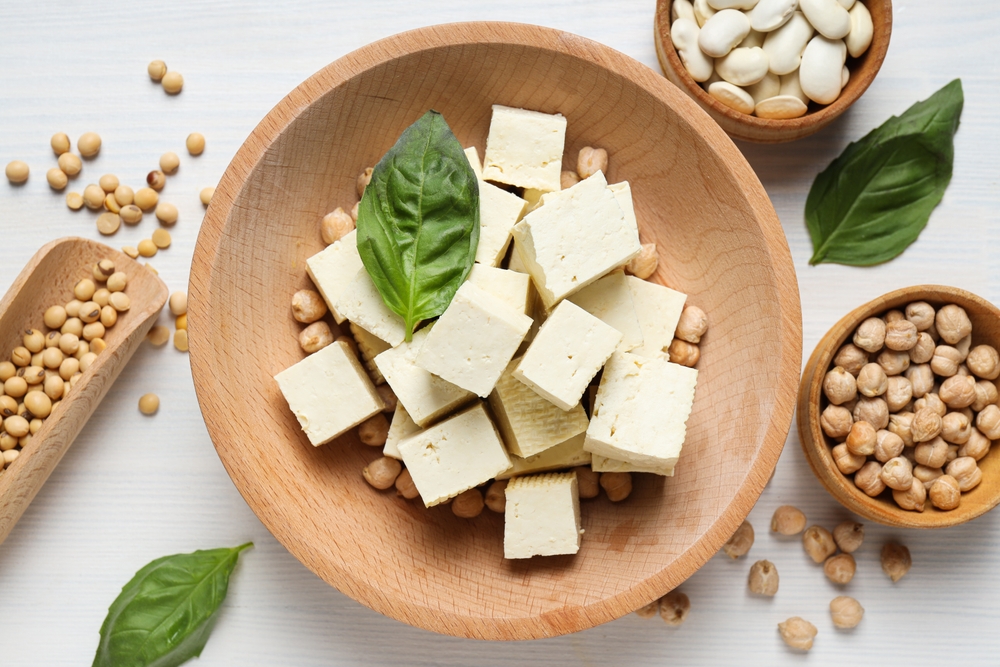
Tofu is a plant-based protein source recommended by dietitian Megan Huff.
A serving of approximately 120 grams contains 22 grams of protein. Tofu also provides minerals such as calcium, manganese, and copper.
Sardines

Dietitian Dawn Jackson Blatner highlights sardines as a nutrient-rich source of protein.
A serving of approximately 106 grams contains around 23 grams of protein. Sardines also provide omega-3 fatty acids, vitamin D, vitamin B12, and minerals such as iron, zinc, and selenium.
Also read: Zinc may shorten your cold, but only if you reach for it fast enough
White beans
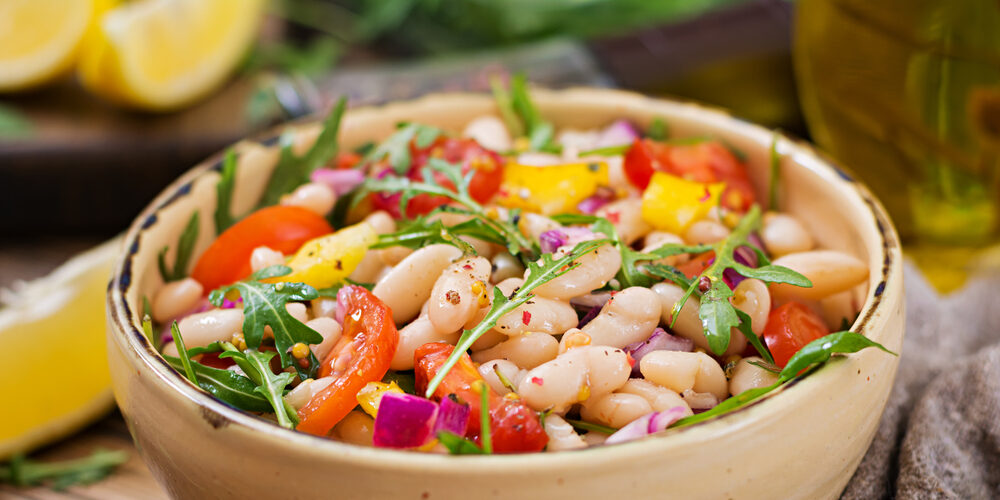
Dietitian Nicole Randazzo particularly recommends Great Northern white beans. One cup of canned beans contains approximately 19 grams of protein.
The combination of protein and fiber helps you feel full for longer.
Salmon
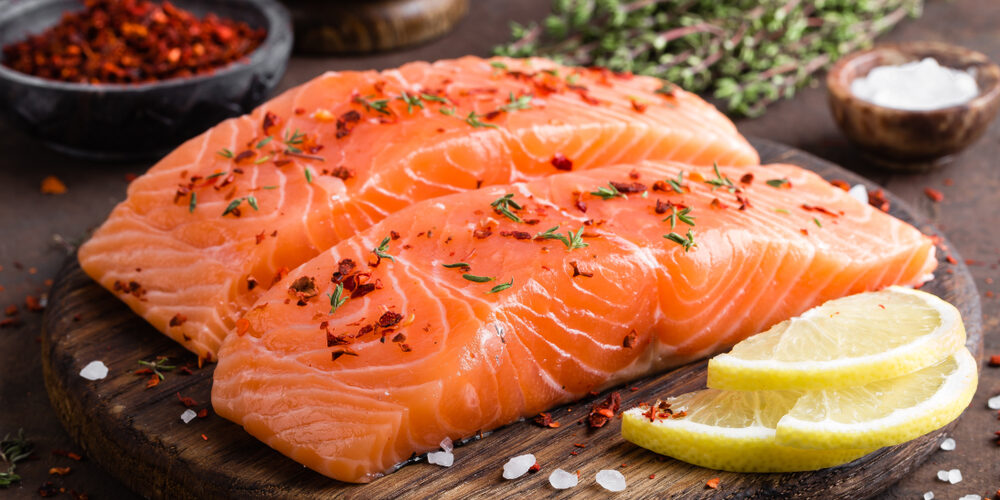
Salmon is among dietitian Jeanne Hendricks' favorite protein sources. A serving of approximately 85 grams of cooked salmon contains 21 grams of protein.
The fish also provides omega-3 fatty acids and vitamin D, which can be difficult to obtain in sufficient amounts through diet alone.
Also read: 8 signs your heartburn may be something more serious
Eggs

Two large cooked eggs contain approximately 12 grams of protein. Dietitian Leslie Getzinger particularly emphasizes their essential amino acid content.
Egg yolks also contain vitamin D, along with lutein and zeaxanthin, which may benefit eye health.
Edamame pasta
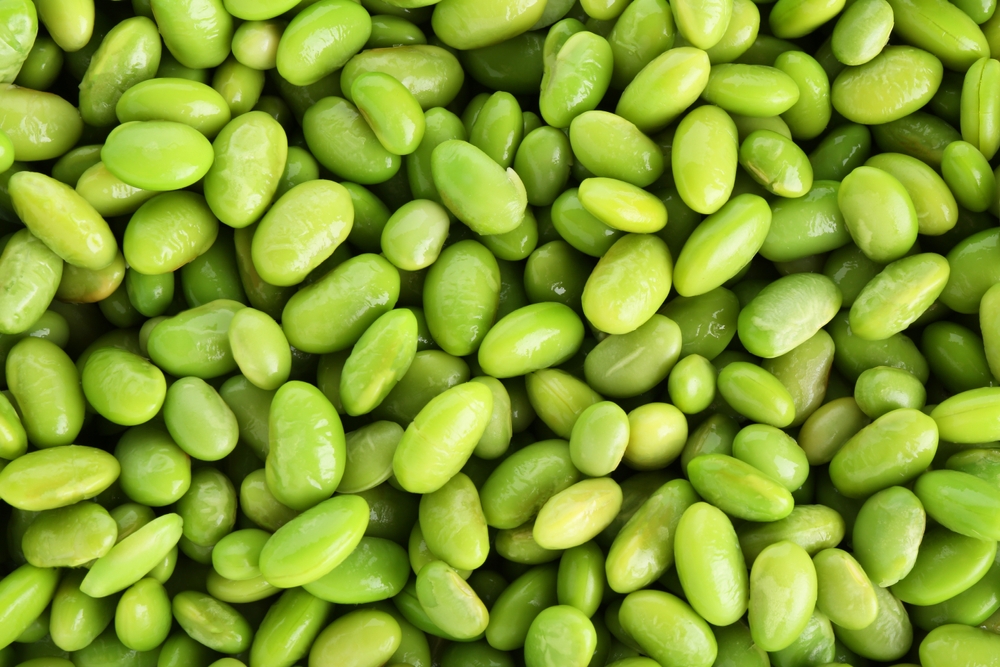
Dietitian Jenny Finke recommends pasta made from edamame beans. A serving of approximately 57 grams of dry pasta contains around 24 grams of protein.
Soy protein contains all nine essential amino acids, and some varieties of edamame pasta provide approximately 13 grams of fiber per serving.
Also read: Signs your body is getting too much sugar, even if you think your diet is healthy
Chickpeas
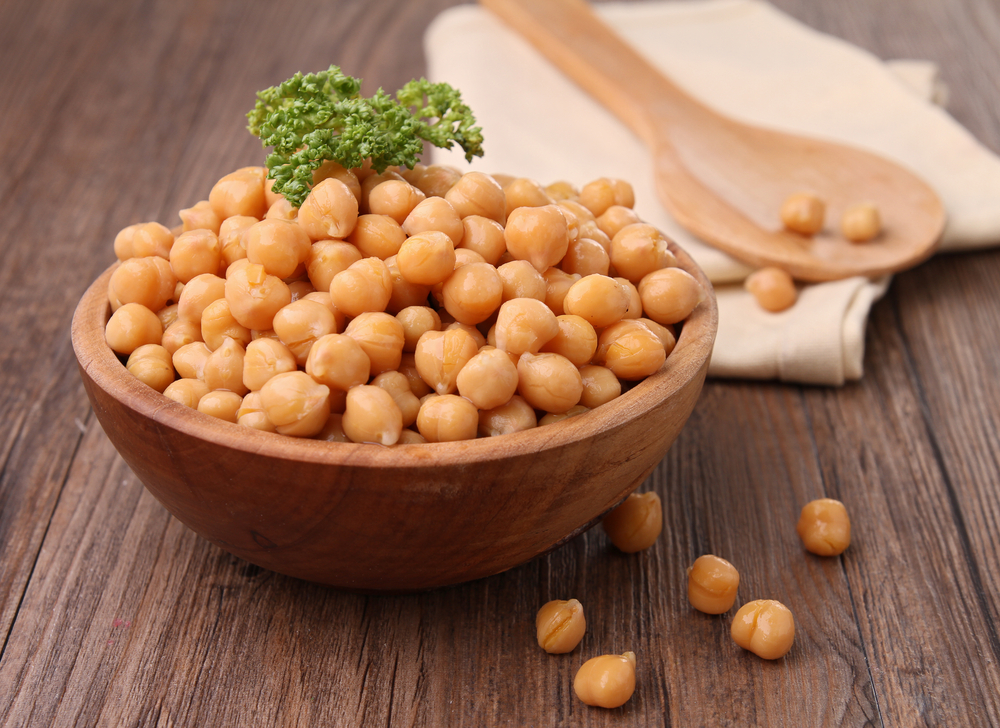
Chickpeas are a favorite of dietitian Kathy Levin. One cup of canned chickpeas contains approximately 11 grams of protein.
They are also rich in fiber and can be used straight from the can after rinsing.
Skyr can replace mayonnaise and sour cream

Skyr is not just for breakfast. Sheila Patterson also recommends using plain skyr as a substitute for mayonnaise and sour cream in various recipes.
This makes it possible to add extra protein without added sugar.
Also read: A nutrient found in fish is linked to a 17 percent lower stroke risk
Tofu can be used in both main courses and desserts
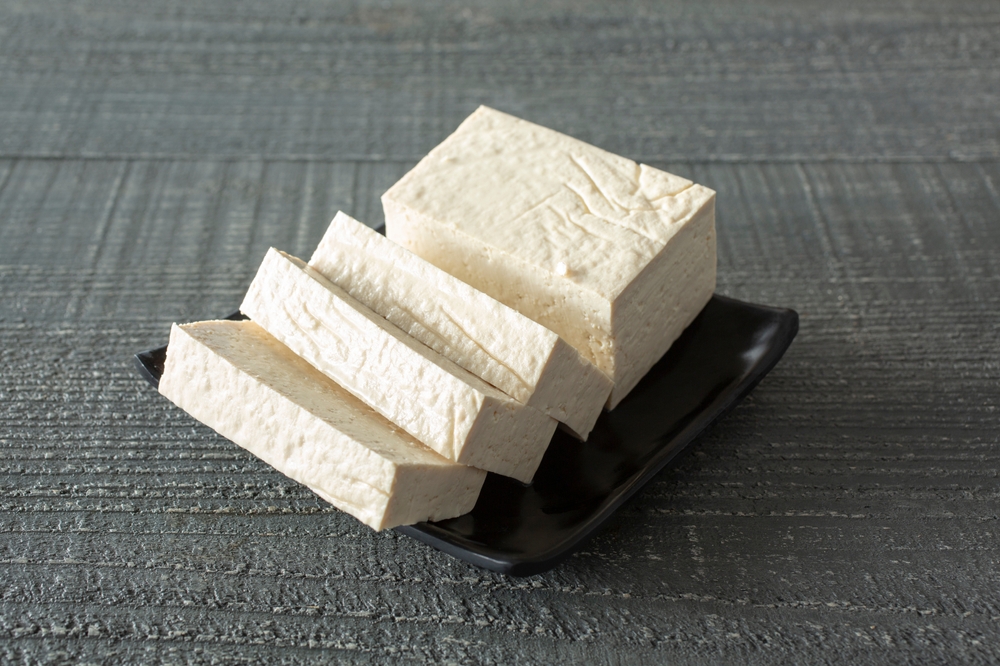
Megan Huff uses tofu in stir-fries, soups, and salads.
One of her favorite dishes is baked tofu with teriyaki sauce, green beans, and sweet potatoes.
Silken tofu can also be blended into a creamy chocolate mousse, adding extra protein to the dessert.
Sardines can be paired with avocado and lime
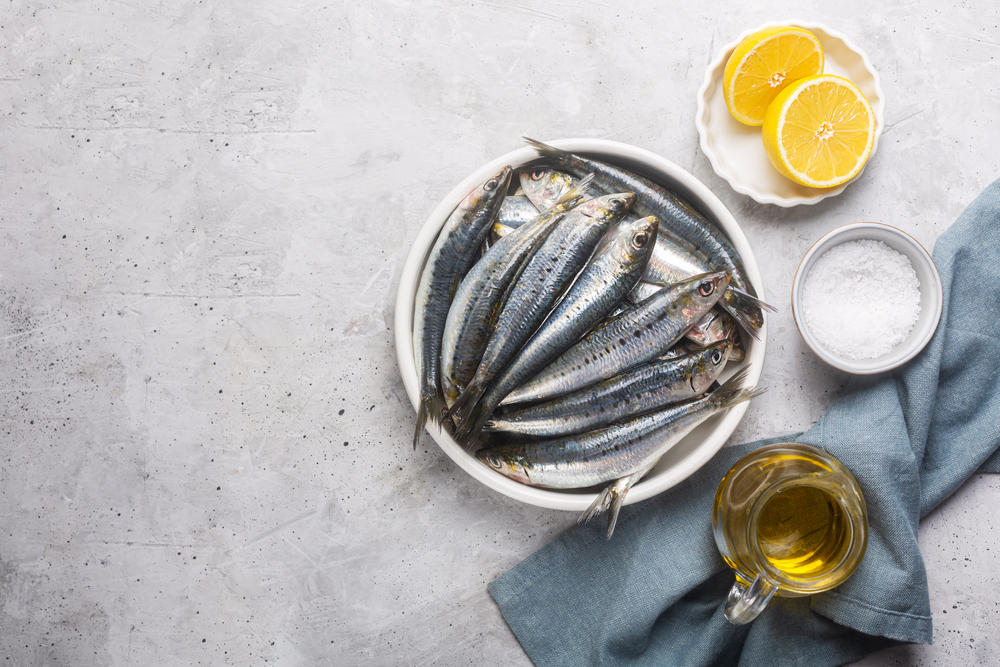
Dawn Jackson Blatner recommends combining sardines with ingredients that add acidity and flavor.
For example, she serves sardines with avocado, jalapeños, and lime juice in lettuce leaves. Another option is to serve them with mustard and pickles on crackers.
Beans can make pasta sauce more nutritious
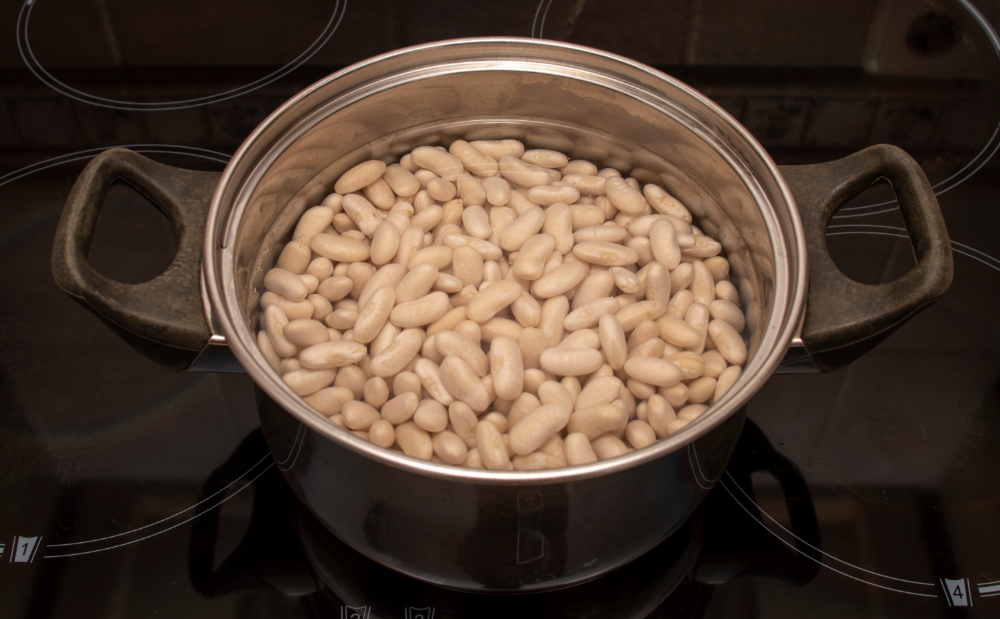
Nicole Randazzo likes to blend white beans into pasta sauce or add them to soups. They can also be mashed and spread on toast.
She recommends pairing beans with tomatoes, bell peppers, or lemon, as vitamin C helps the body absorb the iron found in beans.
Salmon can be served with vegetables and potatoes
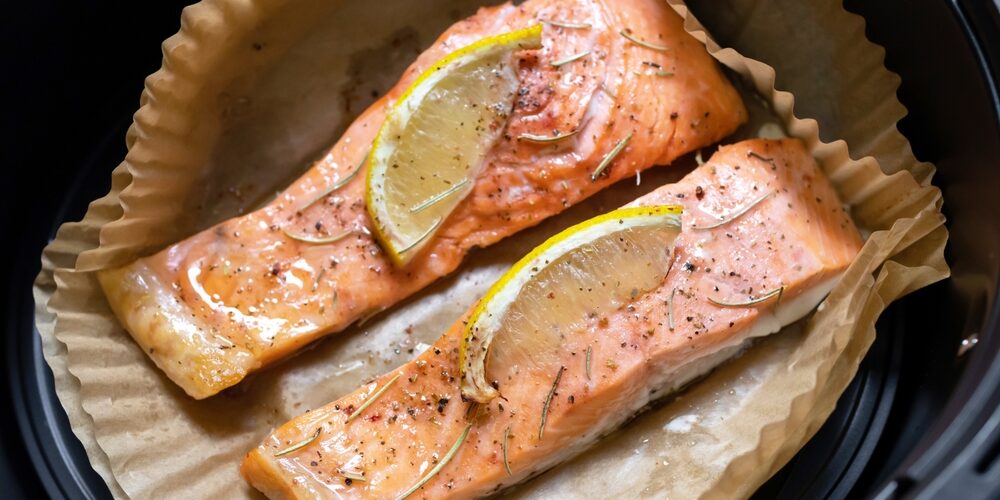
Jeanne Hendricks enjoys salmon served with cooked dark leafy greens and crispy potatoes.
She also recommends marinating the fish with Asian-inspired seasonings and serving it with stir-fried vegetables and crispy rice.
Eggs can make vegetable dishes more nutritious
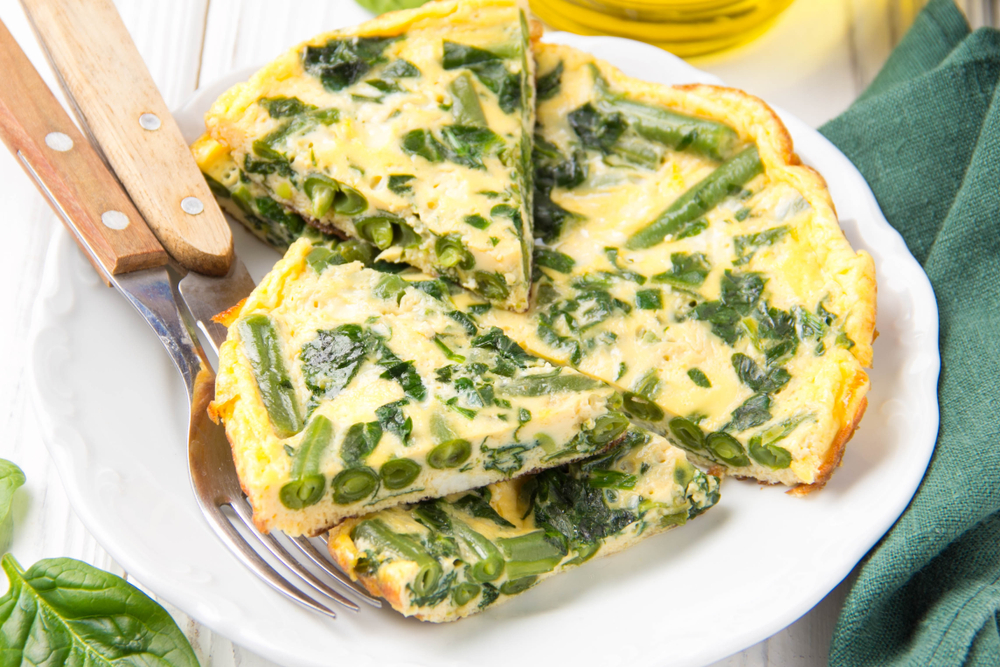
Leslie Getzinger recommends adding spinach, mushrooms, or onions to an omelet. This increases its fiber, vitamin, and antioxidant content.
Eggs can also be used in salads, rice dishes, sandwiches, and baked dishes.
Chickpeas can be used to make homemade hummus
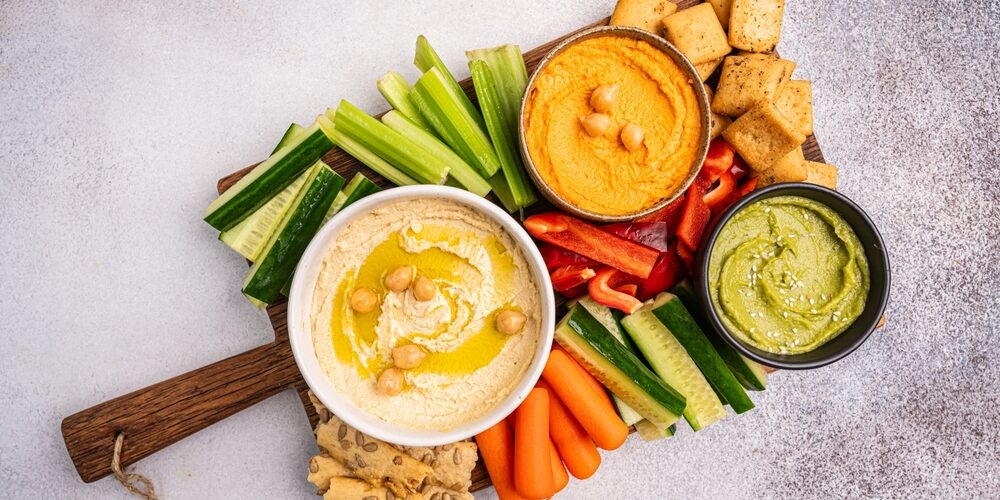
Kathy Levin recommends blending chickpeas with lemon and fresh dill to make hummus. It can be served with crunchy vegetables.
The lemon provides vitamin C, which also helps the body absorb the iron found in chickpeas.
This article is made and published by Ida-Marie Palm Varbæk, who may have used AI in the preparation.