
Breakfast cereal might look like a quick and easy way to start your day, but new research shows many cereals - especially those aimed at kids - are less healthy than ever.
Here's what you need to know before pouring your next bowl.
Sugar levels are on the rise
Though the increase in sugar might seem modest, many cereals already start with a high sugar content.
Most exceed recommended daily sugar limits, especially when served to children, making them a poor everyday option.
Also read: Taking Ozempic or Mounjaro? Your Birth Control Might Not Be Working
Fat content has jumped over 30 %
From 2010 to 2023, fat levels in children’s cereals increased by a staggering 33.6%.
High fat content in the morning can contribute to poor cardiovascular health and unbalanced energy levels.
Sodium is creeping up too
Sodium content rose by 32.1% across new cereal launches, which can raise blood pressure - even in children - and increase long-term heart disease risks.
Fiber is steadily decreasing

Dietary fiber dropped significantly after 2021, falling from 3.82 grams to just 2.94 grams per serving.
Also read: This Is Why You’re Not Covered in Fur Like Other Animals
That’s a big problem for digestion, fullness, and maintaining a healthy weight.
Protein has taken a hit

Protein content fell from an average of 1.97 grams to 1.69 grams per serving over 14 years.
Lower protein means cereals keep you full for less time and provide less support for growth and development.
Most kid-friendly cereals are nutritionally poor
While the study didn’t single out specific brands, the overall trend was clear: cereals aimed at kids have become more sugary, saltier, and less nutritious.
Also read: Experts Warn: This Medication Could Lead to Blindness
Kids eat these cereals daily

According to the CDC, 27 % of American children eat ready-to-eat cereal on any given day.
And a large number of these cereals are considered high in sugar - more than 21.2 grams per 100 grams.
Poor breakfast choices fuel bigger health problems

High intakes of sugar, fat, and sodium in childhood are linked to obesity, tooth decay, heart disease, and type 2 diabetes later in life.
Not all cereals are bad news
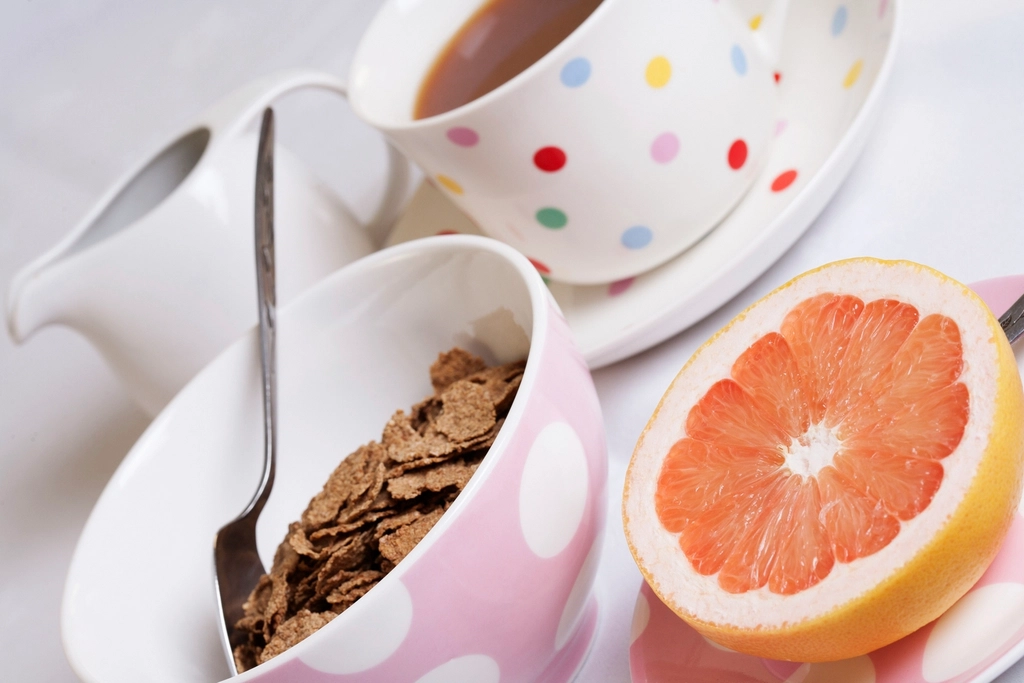
Some options, like Original Cheerios or store-brand alternatives made with 100% whole grains and minimal added sugar, can still be smart choices - especially when paired with milk or fresh fruit.
Also read: Deadly Fungal Infection Spreads Globally
Don’t trust the front of the box
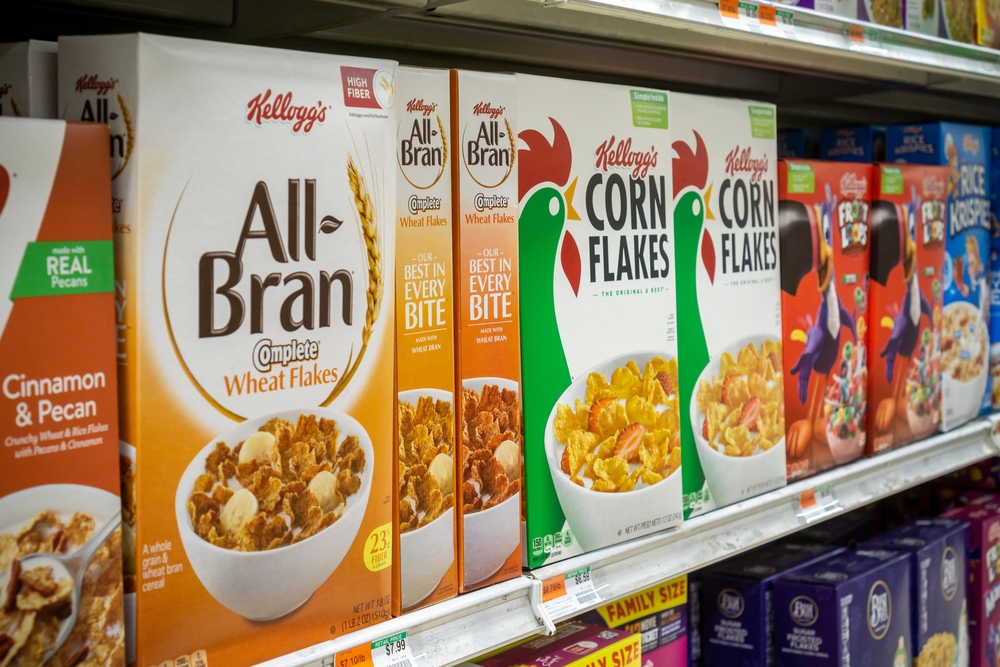
Ignore the flashy health claims on the front. Instead, turn the box around and read the nutrition label.
Look for cereals low in sugar and sodium but rich in fiber and whole grains.
This article is based on information from Health.com.
Also read: 50% Drop in Cancer Deaths? The New Treatment Everyone Needs to Know About
This article is made and published by Ida-Marie Palm Varbæk, who may have used AI in the preparation.