
What if a simple drop of blood could reveal how well you're really aging—and even estimate how long you might live? Scientists are now closer than ever to making that possibility a reality.
A New Way to Measure Aging

Researchers have developed a test that uses DNA methylation patterns in blood or saliva to assess how the body is aging on a cellular level—beyond just your birth date.
The Power of Intrinsic Capacity

Intrinsic capacity (IC) reflects your mental and physical abilities—how well you move, think, see, and even feel. Maintaining IC is essential for aging well.
Simpler Than Ever Before
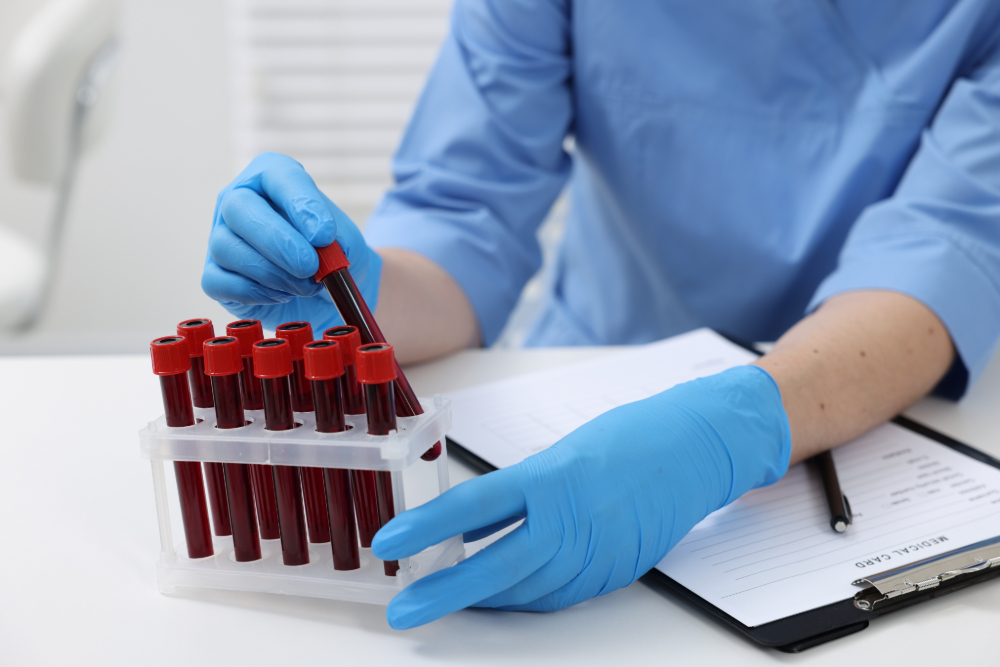
Traditionally, measuring IC involved expensive equipment and clinical evaluations. Now, a single blood or saliva sample may be all it takes to assess it accurately.
Also read: Experts Agree: This Is the Healthiest Oil to Cook With
Predicting Mortality With Precision

The new test has shown strong predictive power for all-cause mortality, meaning it could help flag age-related health decline earlier than ever before.
What Is DNA Methylation?

This test examines chemical changes—called methylation—on DNA that affect gene activity. These patterns shift with age and lifestyle, giving clues about your biological age.
More Than Just a Number

Chronological age is what the calendar says. But biological age, based on IC, tells how well your body is holding up. This test aims to reveal that hidden truth.
Five Key Aspects of Aging

The IC score is based on five core domains: cognition, physical movement, senses, mental well-being, and energy levels. It paints a detailed picture of your functional health.
Also read: They Only Slept 4 Hours for 3 Nights – What Scientists Found Was Shocking
Personalized Health Interventions

Doctors may soon use this test to tailor interventions—like nutrition, exercise, or stress management—based on how your body is aging, not just your age.
A Tool for Everyone

Because the test uses blood or saliva, it’s non-invasive and accessible—potentially opening doors to population-wide health tracking as we age.
Experts Are Optimistic—But Cautious

Scientists agree the test shows promise, but say it should complement, not replace, other biological markers like GrimAge or PhenoAge until further validation is done.
This article is based on information from Medical News Today
Also read: Forget Sleeping Pills—This Natural Fix Is in Your Fridge
Also read: One Teaspoon Before Breakfast Could Change How You Feel All Day
This article is made and published by Mie Hermansen, who may have used AI in the preparation.