
When exactly does aging begin?
A major study involving more than 4,000 people has uncovered the biological turning point where our bodies begin to show signs of internal decline.
Here are the most important indicators that aging is already underway.
DNA loses its repair ability
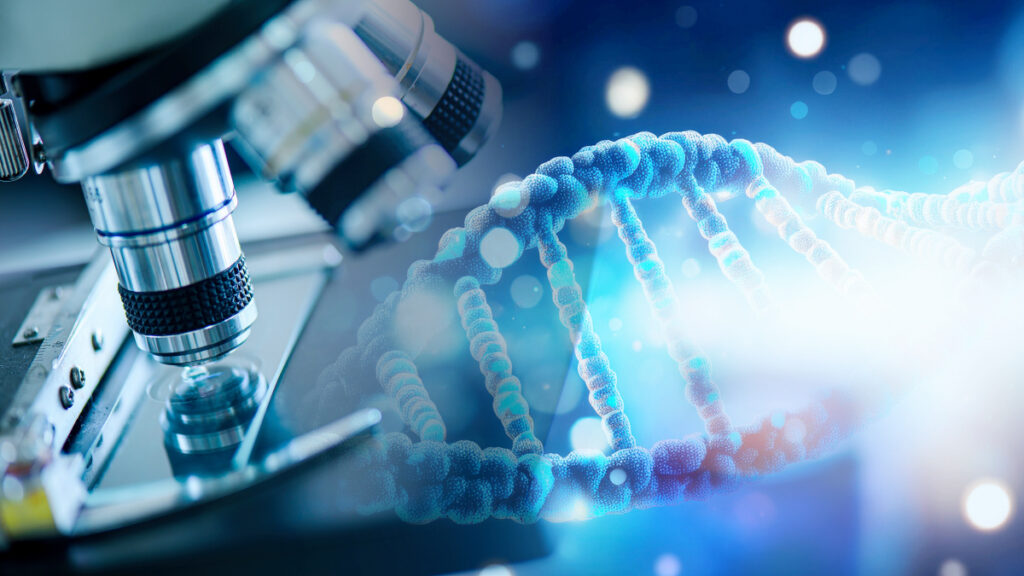
One major reason for aging is the body’s declining capacity to repair its DNA.
Also read: Say Goodbye to Kidney Stones With These Everyday Foods
As this ability fades, cellular structures break down, leading to signs of aging across the body.
Metabolism slows significantly

One of the first noticeable changes is a slower metabolism.
The body becomes less efficient at burning calories and processing energy, leading to fatigue and weight gain.
Bones become more fragile
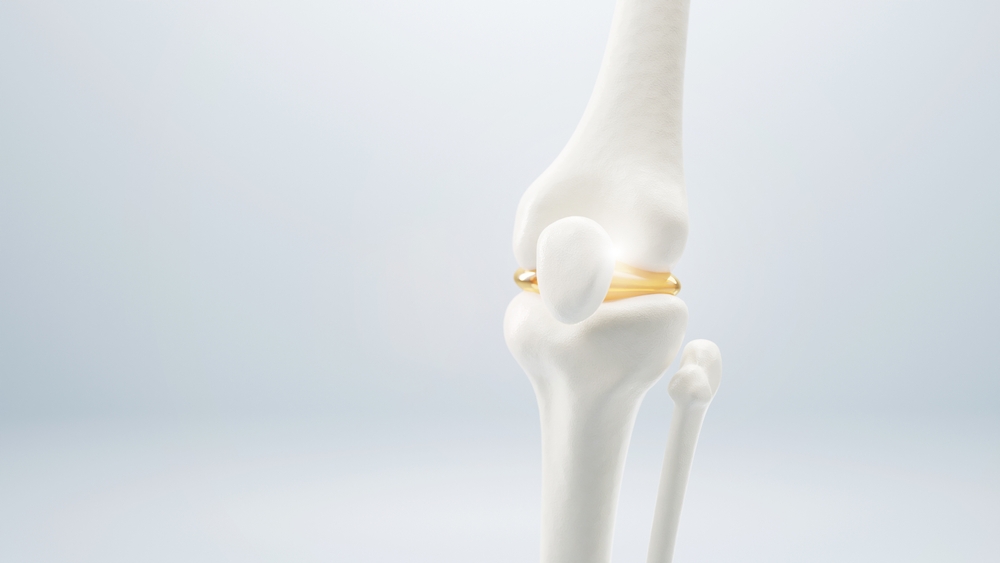
As the body ages, bone density decreases, increasing the risk of fractures and osteoporosis – a condition that makes bones brittle and weak.
Also read: Global Health Crisis: Millions More Could Face Chronic Diseases
Memory becomes less reliable

Gradually, remembering details and learning new things becomes more difficult. This cognitive slowdown is a common and early symptom of aging.
Sleep patterns are disrupted

Older adults often experience changes in their sleep, including lighter sleep and more frequent waking during the night.
Vision and hearing start to decline
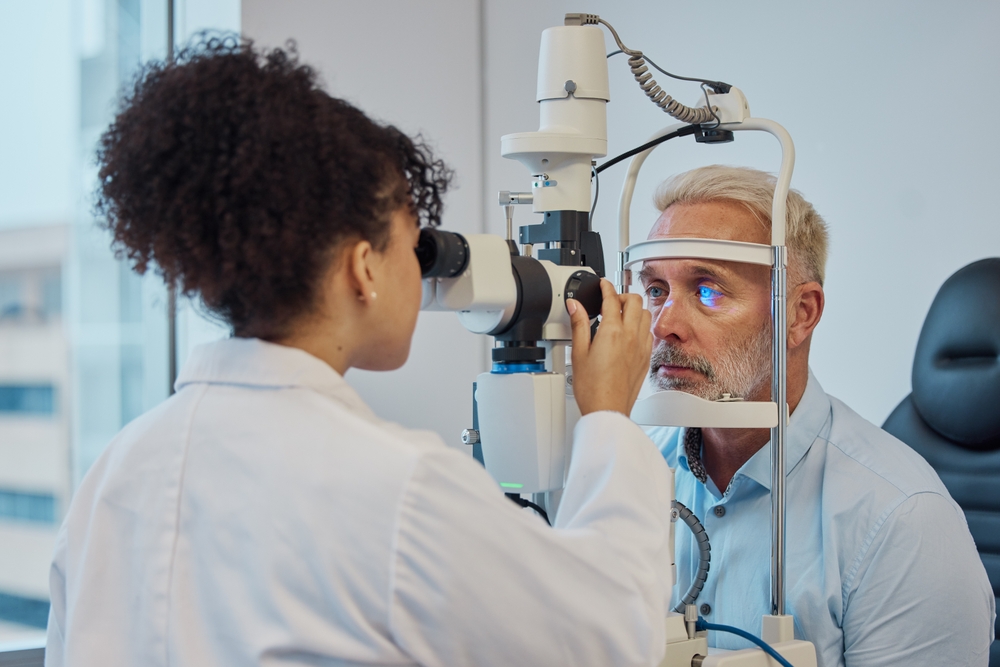
The senses are among the first to show signs of aging. Vision weakens and hearing becomes less sharp, making it harder to respond to the world around you.
Muscle mass starts disappearing

Known as sarcopenia, the gradual loss of muscle mass reduces strength and endurance. This decline accelerates as people move through the aging stages.
Also read: This Is How Many Times You Should Pee in a Day According to Your Age
Skin shows visible aging
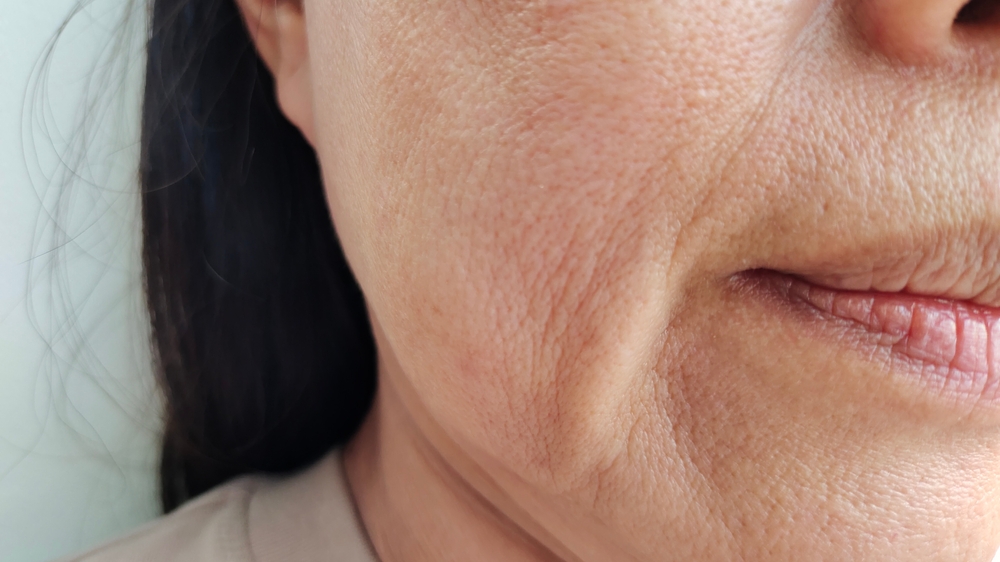
Wrinkles, fine lines, and age spots start to appear as the skin loses elasticity and its ability to regenerate. The skin becomes drier and thinner over time.
Movement slows down
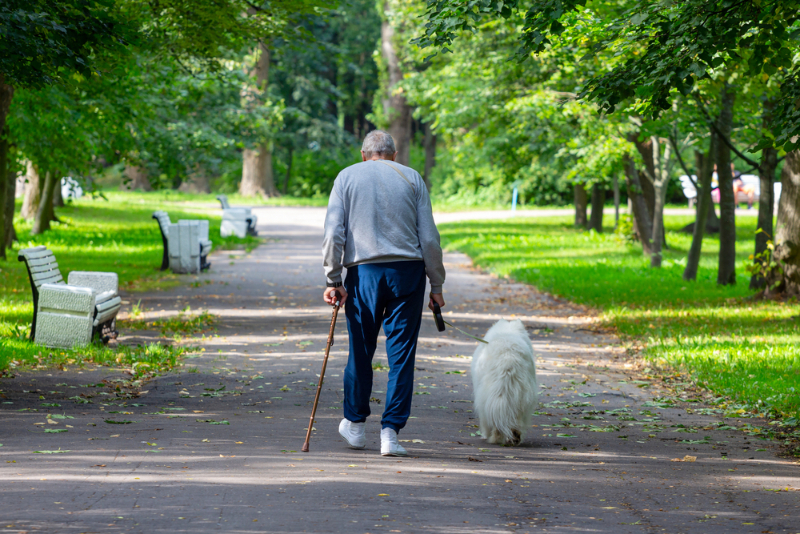
With age, everything from walking speed to reaction time decreases. The body becomes slower, and tasks that once felt effortless may take more time and energy.
Your biological clock speeds up after age 34

Scientists from Stanford University discovered that the aging process begins around the age of 34, when the body starts showing noticeable changes in its internal makeup.
Proteins reveal your true age
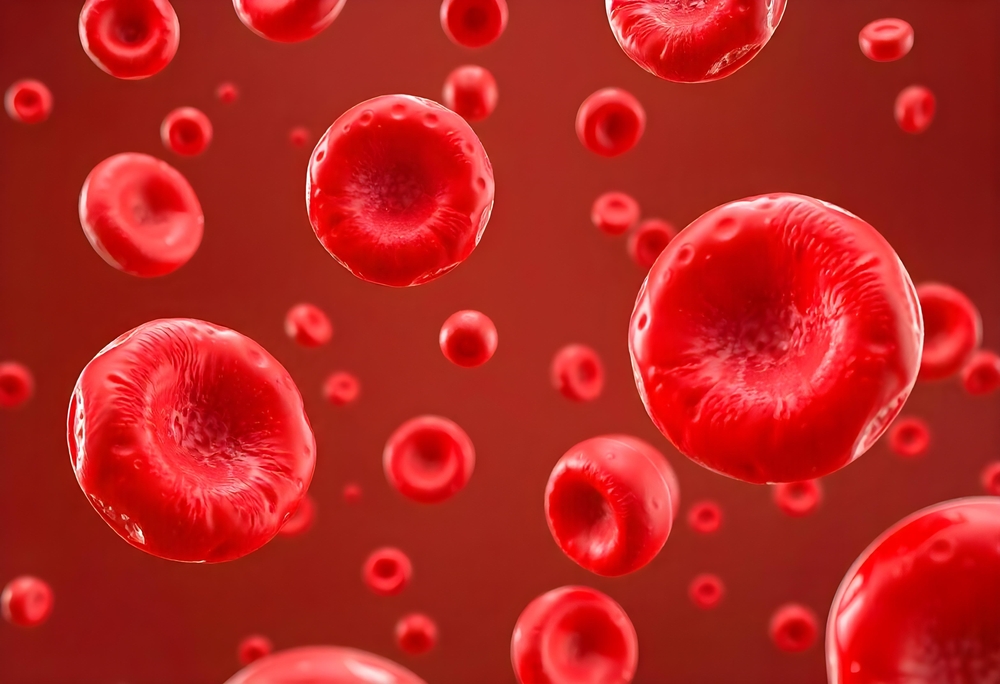
By analyzing the blood plasma of thousands of individuals, researchers identified 1,379 proteins that vary with age.
Also read: This Is Why Your Migraines Keep Coming Back
Amazingly, just 373 of them were enough to accurately predict a person’s biological age.
The body ages in three distinct phases

Aging was divided into three stages: ages 34–60 (adulthood), 60–78 (late maturity), and 78+ (old age).
In each stage, physical deterioration becomes more noticeable and protein production decreases.
This article is based on information from M.corrieredellosport.it.
Also read: Experts Agree: This Is the Healthiest Oil to Cook With
This article is made and published by Ida-Marie Palm Varbæk, who may have used AI in the preparation.