
It might seem like a mundane daily routine, but how often you pee can actually say a lot about your health.
From your age to your lifestyle and even medical conditions, many factors influence your bathroom habits – and experts have outlined what’s considered normal.
Tea, coffee and sodas overstimulate your bladder

According to urologist from New Victoria Hospital, Hamid Abboudi, beverages like tea, coffee, alcohol, and carbonated drinks can make your bladder overactive.
These drinks irritate the bladder lining and can significantly increase how often you feel the urge to pee.
Also read: This Is Why Your Migraines Keep Coming Back
Interrupted sleep from nighttime urination
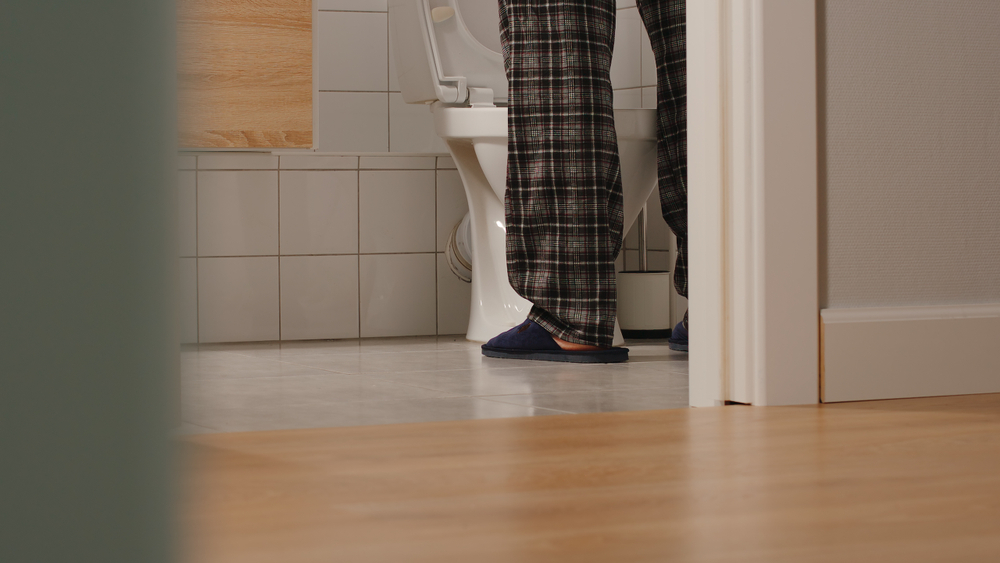
For seniors, it’s common to wake up twice a night or more to pee. This nighttime frequency is linked to decreased ADH levels and becomes more common with age.
Medication increases frequency

Many older individuals take diuretics for conditions like high blood pressure or heart problems.
These medications increase urination both during the day and night, which can disrupt daily routines and sleep.
Enlarged prostate can increase urgency

In aging men, the prostate tends to enlarge and press on the bladder.
Also read: Experts Agree: This Is the Healthiest Oil to Cook With
This can lead to more frequent trips to the toilet, as the bladder has less room and becomes more sensitive to filling.
Holding your pee too long can be dangerous

Ignoring the need to urinate can have serious consequences. It may cause urinary tract infections, weaken the bladder over time, and lead to incontinence.
In extreme cases, holding it in for 9–10 hours or more can result in urine leakage or even bladder rupture.
Children
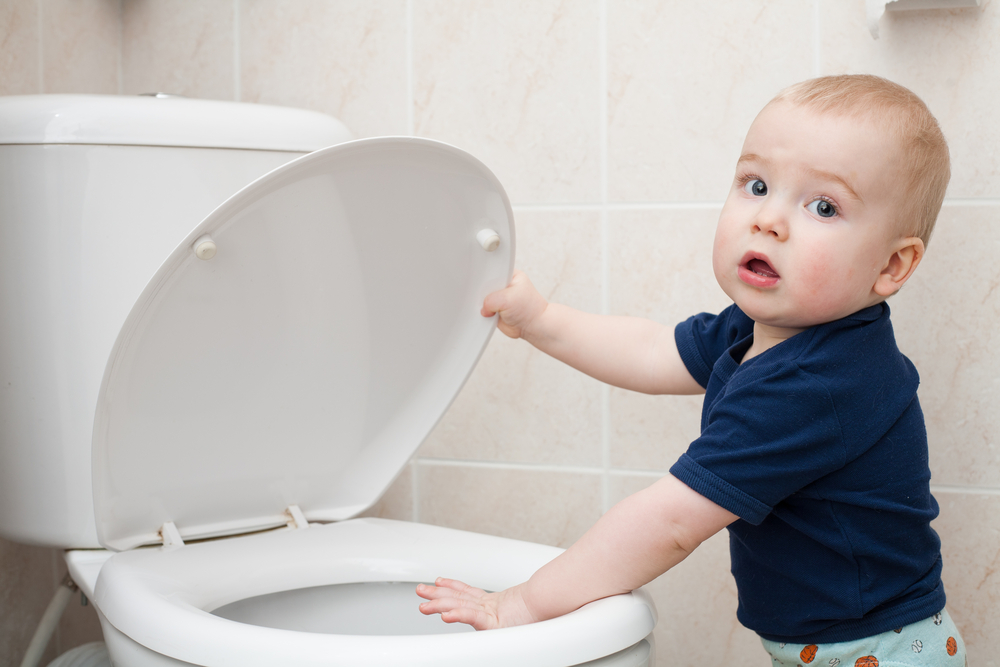
Young children may urinate between 8 to 14 times a day. As they grow, this typically decreases to 6 to 12 times daily.
Also read: They Only Slept 4 Hours for 3 Nights – What Scientists Found Was Shocking
If a child urinates more often than this, it may be due to anxiety, high caffeine intake, constipation, allergies, holding urine too long, a small bladder, or structural issues in the urinary tract.
Teenagers

Most teens pee about 4 to 6 times per day. However, during puberty, hormonal shifts can temporarily increase frequency.
If frequent urination continues, it could point to issues like urinary tract infections, diabetes, excess caffeine consumption, or in rare cases, bladder cancer.
Adults under 60

For most adults, going to the bathroom 5 to 8 times during the day and once at night is considered normal.
Also read: Forget Sleeping Pills—This Natural Fix Is in Your Fridge
Women tend to urinate more frequently than men, partly due to pregnancy and a higher risk of UTIs.
On average, women pee 5.6 times a day, while men average around 4.8.
Adults over 60

As we age, bladder muscles weaken and kidney function decreases.
Older adults often find it harder to "hold it in" and may visit the bathroom more often – including waking at night to urinate.
Also read: One Teaspoon Before Breakfast Could Change How You Feel All Day
This is due to reduced levels of antidiuretic hormone (ADH), which normally helps the body retain water at night.
Everyone’s frequency is unique
These numbers are general guidelines – what's "normal" can vary from person to person.
If you're concerned about how often you're urinating, it's best to consult a doctor to rule out any underlying health issues.
This article is based on information from bharian.com.
This article is made and published by Ida-Marie Palm Varbæk, who may have used AI in the preparation.