
Diabetes can develop quietly, showing subtle signs that many people ignore. But the sooner it’s detected, the easier it is to manage — and prevent serious complications.
You Urinate More Than Usual

Frequent urination, even at night, can be a sign that your body is trying to flush out excess sugar through your urine. This depletes your fluid levels and increases thirst.
Constant Thirst

If you’re always thirsty — even right after drinking — it may be your body reacting to dehydration caused by excess urination.
Sudden Hunger Spikes
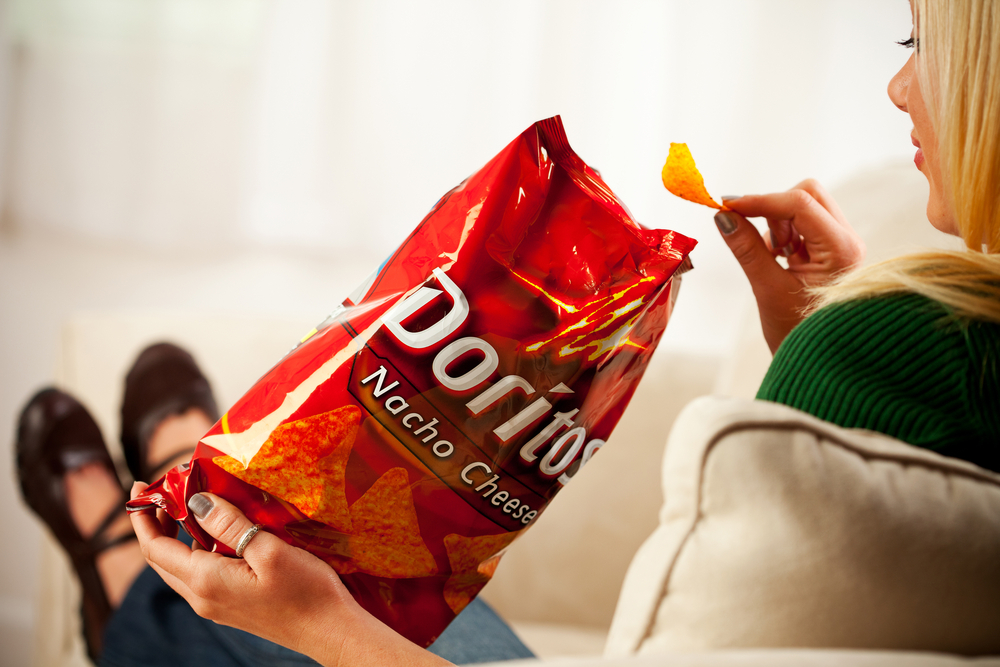
Feeling unusually hungry despite eating regularly? This could mean your cells aren’t getting the energy they need due to impaired glucose absorption.
Also read: 10 Everyday Habits That Could Help Prevent Dementia
Unexplained Fatigue

Persistent tiredness, even after rest, can result from your body’s inability to convert glucose into energy. It’s one of the most common early signs of diabetes.
Blurred Or Cloudy Vision
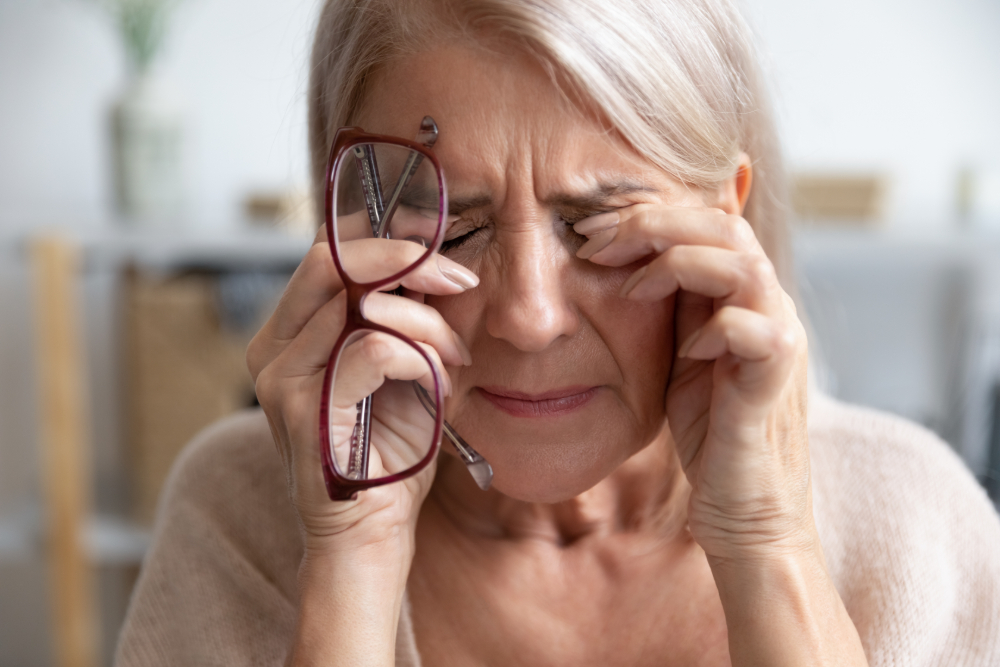
Vision changes can occur when fluid builds up in the lens of the eye, distorting its shape and affecting your ability to focus. It’s often reversible with proper treatment.
Unexpected Weight Loss
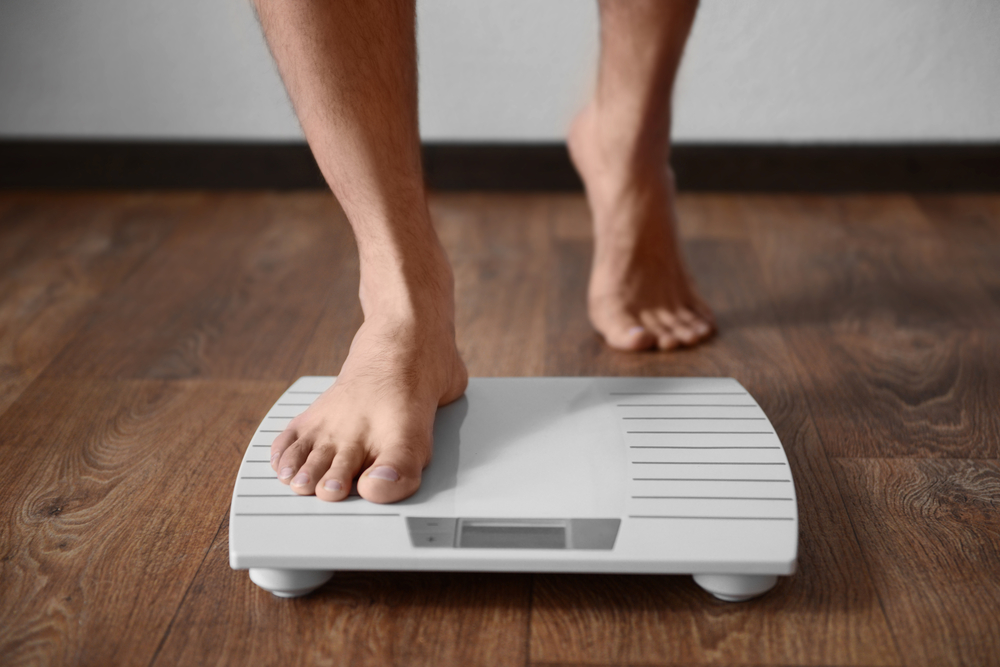
Losing weight without changing your diet or activity level may indicate your body is burning fat and muscle for fuel because it can’t use glucose effectively.
Itchy And Dry Skin
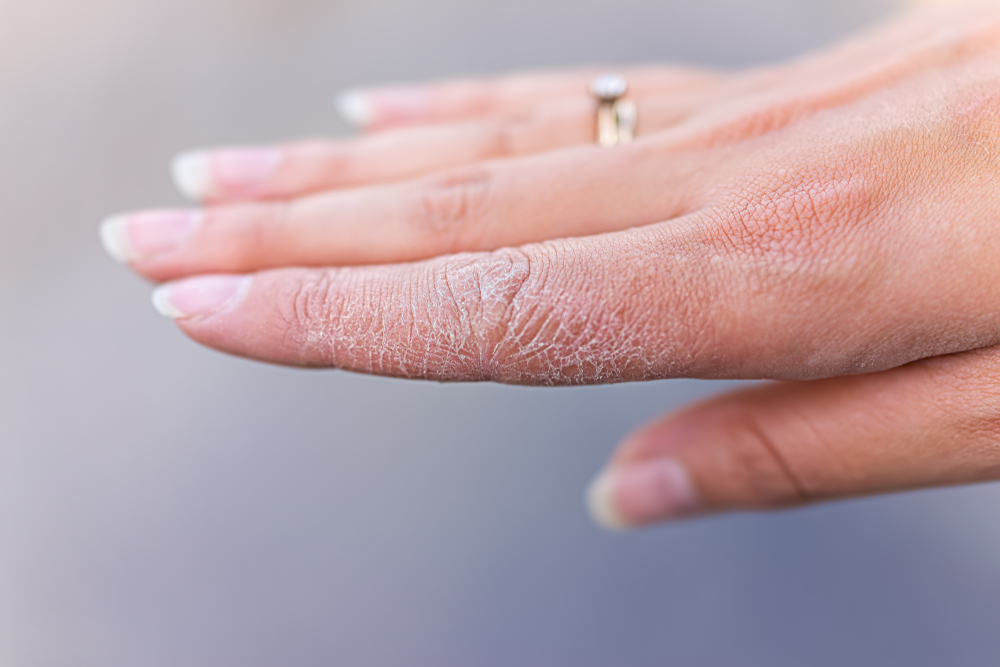
As your body loses more fluids, your skin may become dry and itchy — especially on arms and legs. It’s a sign of dehydration and disrupted skin balance.
Also read: Experts Reveal the Secret to a More Secure Relationship
Slow-Healing Wounds
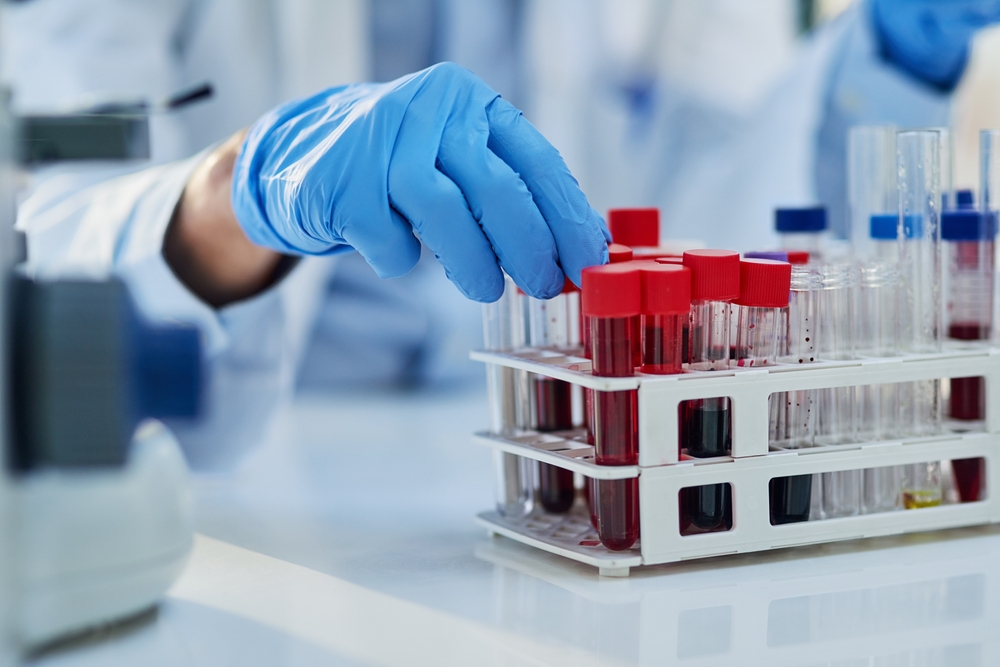
If cuts and scrapes take longer to heal than normal, it could point to poor blood circulation and high blood sugar levels, both of which impair healing.
Dark Patches On The Skin
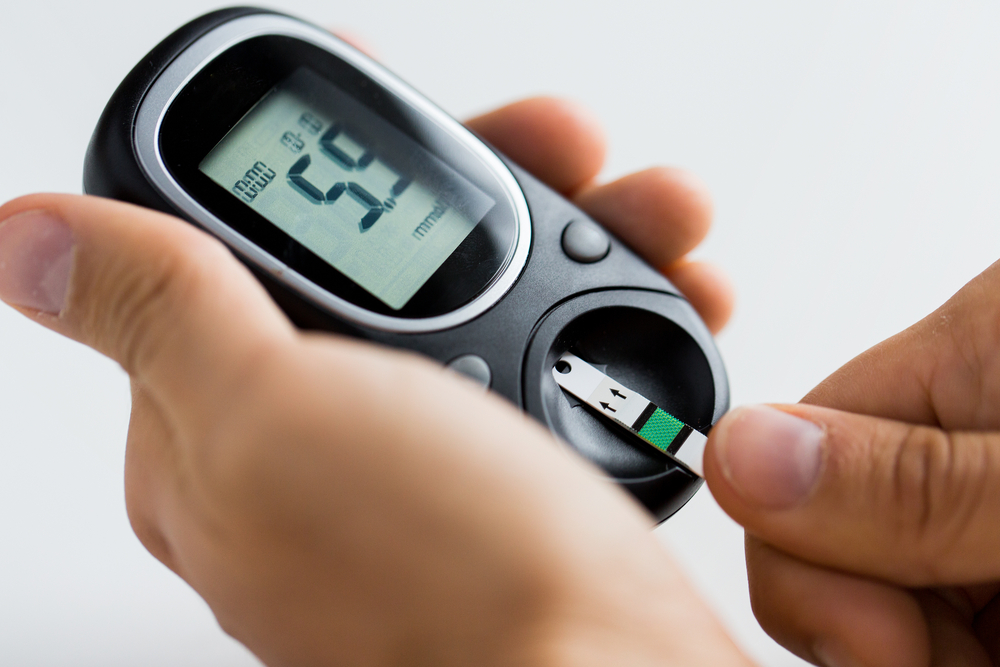
Velvety, darkened areas — often found on the neck, armpits, or groin — may be a warning sign of insulin resistance and the onset of type 2 diabetes.
Tingling In Hands And Feet
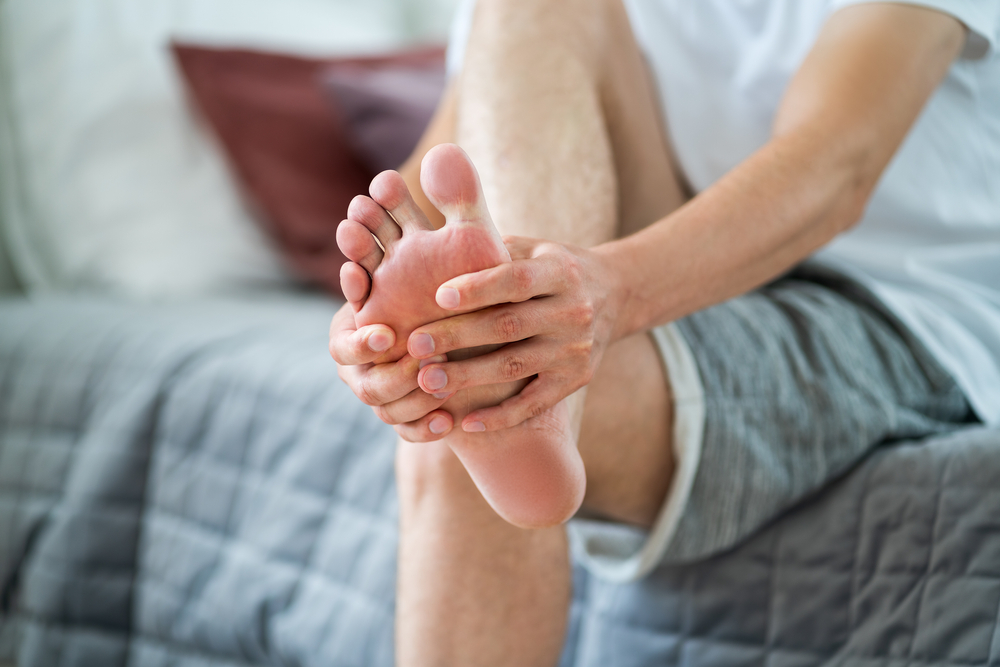
Nerve damage from early diabetes often begins in the extremities and may feel like tingling, burning, or numbness — especially in fingers and toes.
This article is based on information from Newsner
Also read: Are You Glued to Your Screen All Day? Here’s What to Do
Also read: These Foods Can Help Lower Your Blood Pressure—Naturally
This article is made and published by Mie Hermansen, who may have used AI in the preparation.