
Eating for a healthy heart doesn’t have to be expensive or complicated.
New research reveals that just a few everyday veggies, likely already in your fridge, could significantly reduce your risk of heart disease thanks to one powerful nutrient: vitamin K1.
Spinach in your morning smoothie

A handful of spinach blends easily into your smoothie and adds over 800mcg of vitamin K1 – more than 10 times the recommended daily intake for a 70kg adult.
Broccoli as a dinner side
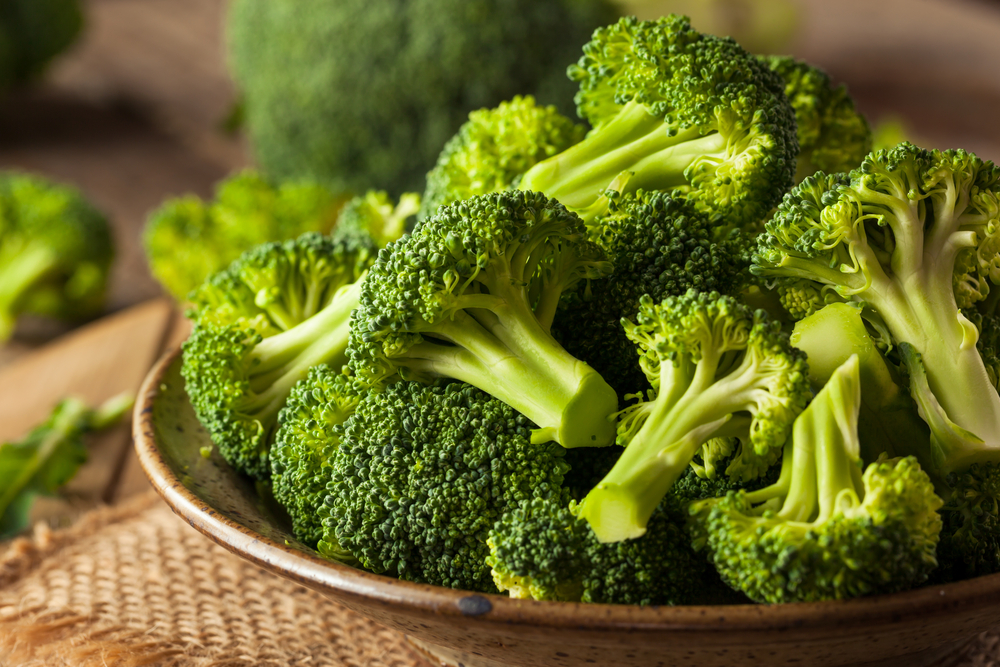
One cup of cooked broccoli delivers around 220–250mcg of vitamin K1. Steam or roast it and serve with your evening meal to help protect your arteries.
Also read: Stop Wasting Money: These Natural Remedies Remove Bags Under the Eyes
Greens in your omelet

Toss in chopped spinach or kale when making your morning eggs. It adds color, texture, and a powerful nutrient punch without much effort.
Add kale to soups

Kale holds up well in soups and stews and adds plenty of vitamin K1. It’s a tasty and heart-smart way to bulk up your lunch or dinner.
Make kale chips

Baking kale with a little olive oil and sea salt gives you crispy chips that are both delicious and heart-healthy – no guilt snacking.
Use spinach as a salad base
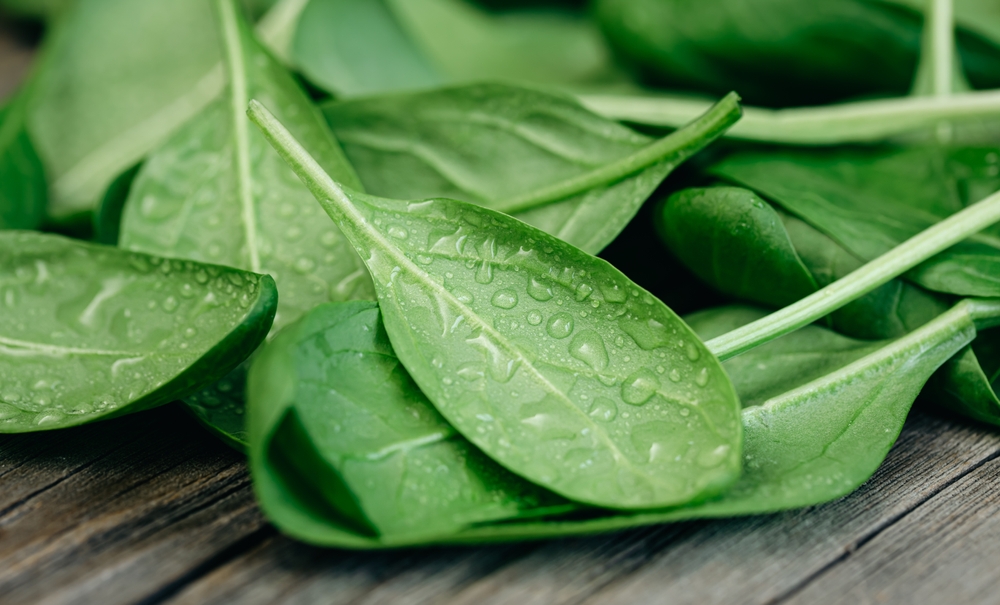
Swap iceberg lettuce for raw spinach in your salads. It’s richer in nutrients and can easily cover your entire daily need for vitamin K1.
Also read: These 3 Foods Should Be Eaten by Everyone Over 50 to Preserve Muscle Mass
Broccoli in pasta dishes

Toss broccoli into creamy or tomato-based pasta recipes. It adds a healthy crunch and boosts your intake of artery-protecting vitamin K1.
Add greens to stir-fries

Broccoli, spinach, and kale work great in Asian-style stir-fries with garlic, soy sauce, and ginger and keep their nutritional value when lightly cooked.
Blend kale into pesto

Try making pesto with kale instead of basil. It’s perfect on pasta, sandwiches, or as a dip, and it’s packed with heart-friendly nutrients.
Layer spinach into your lasagna

Tuck fresh spinach leaves between layers of pasta and sauce in your lasagna. It blends in easily while delivering a powerful health boost.
Also read: Say Goodbye to Dry, Itchy Skin with These Expert Tips
This article is based on information from The Sun.
Also read: 10 Simple and Effective Ways to Treat Mosquito Bites at Home
This article is made and published by Ida-Marie Palm Varbæk, who may have used AI in the preparation.