
Millions have jumped on the gluten-free bandwagon, but do you really know what happens to your body when you cut out gluten?
Gluten is an important source of nutrients
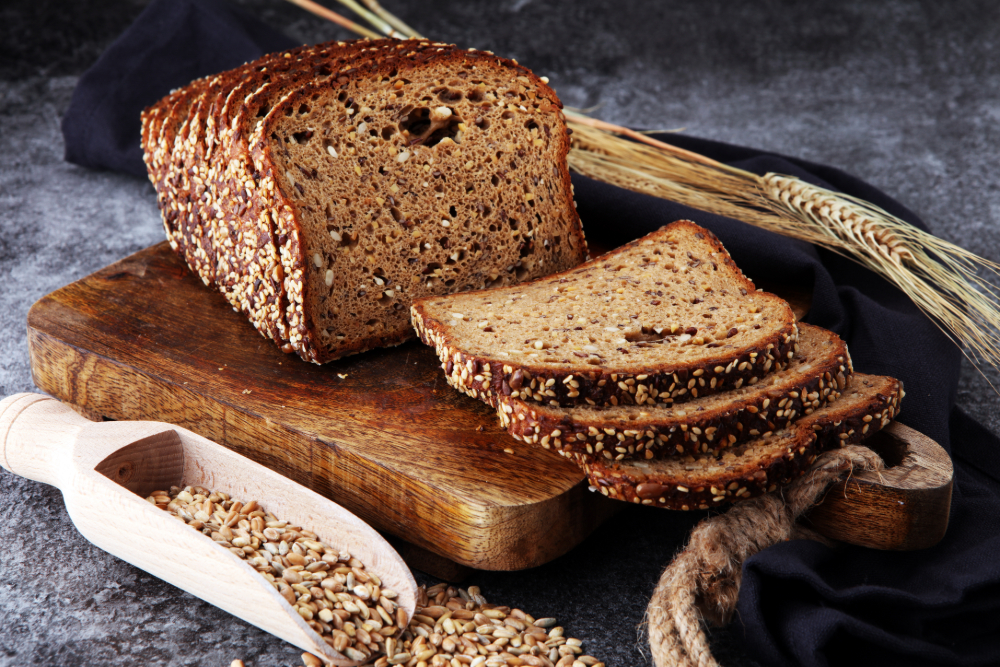
Gluten naturally occurs in wheat, barley, and rye grains that provide protein, fiber, iron, and vitamins.
Cutting gluten without smart substitutes means you might lose these essential nutrients.
Only a small percentage need to avoid gluten

Less than one percent of the world’s population has celiac disease, an autoimmune condition that requires strict gluten avoidance.
Also read: You Won’t Believe These Simple Tricks to Stop Motion Sickness for Good
Others may have non-celiac gluten sensitivity or a wheat allergy, but for most people, gluten is harmless.
You may become deficient in iron and folate
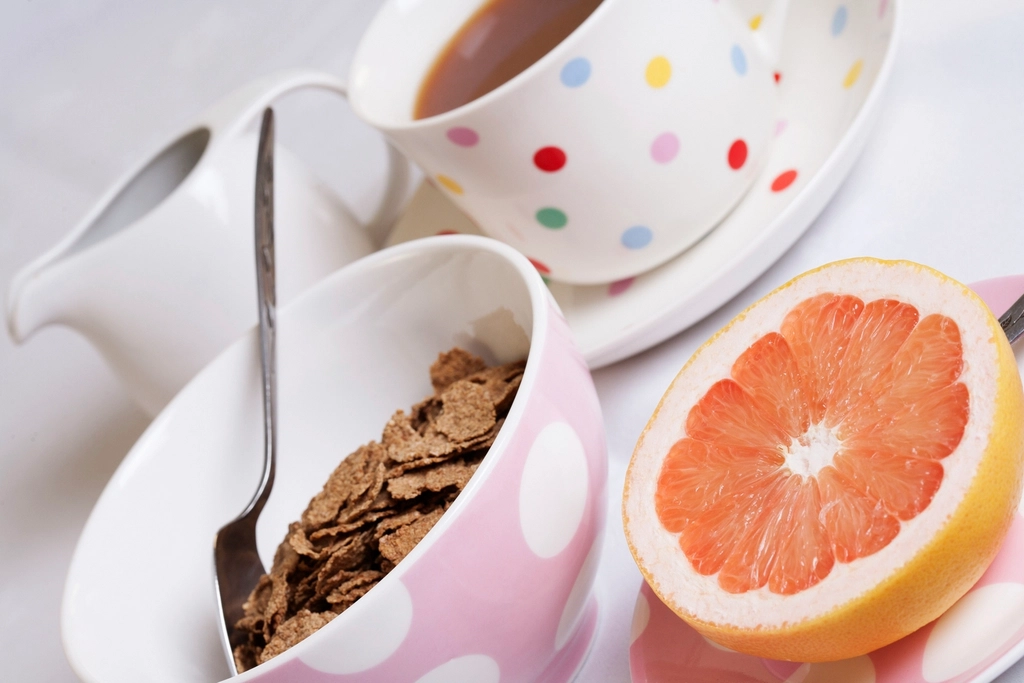
Gluten-free bread and cereals often lack the fortification found in regular wheat products.
Many who go gluten-free end up with low iron and folate levels, which are crucial for overall health - especially for women.
Gluten-free products often have more fat and sugar

A 2023 study found gluten-free bread tends to have less protein but more fat than regular bread.
Also read: Your Luggage Could Be Crawling with Bed Bugs — Here’s How to Stop It
Other gluten-free substitutes often contain more sugar and calories too, which can sabotage health goals.
Many gluten-free foods are low in fiber
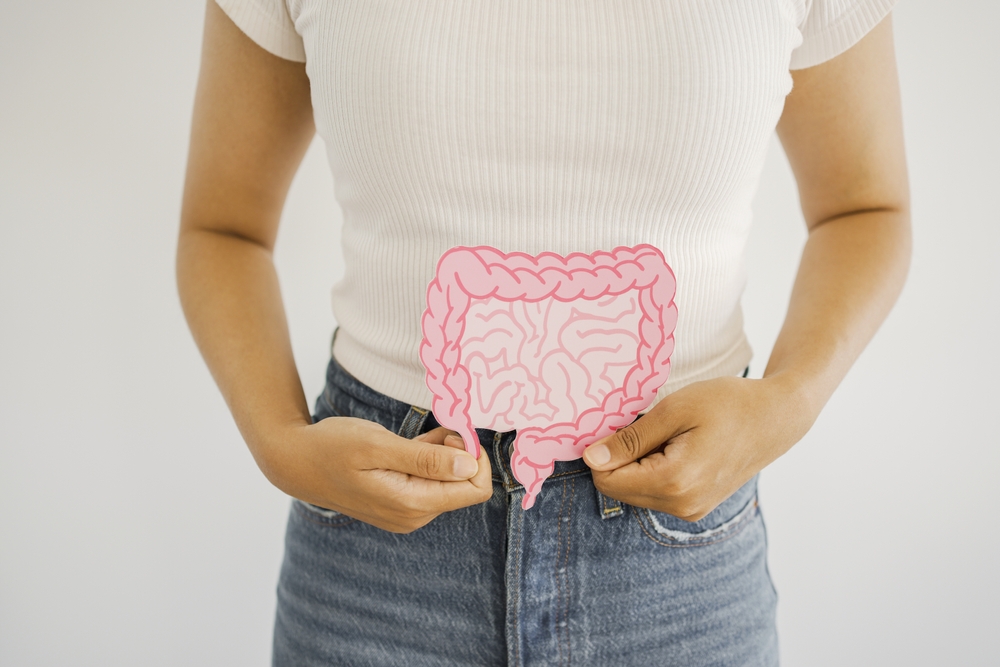
Fiber keeps your gut healthy and you feeling full, but many gluten-free products lack it.
This can lead to digestion issues and a poor gut microbiome if you don’t compensate with other fiber-rich foods.
You might gain weight
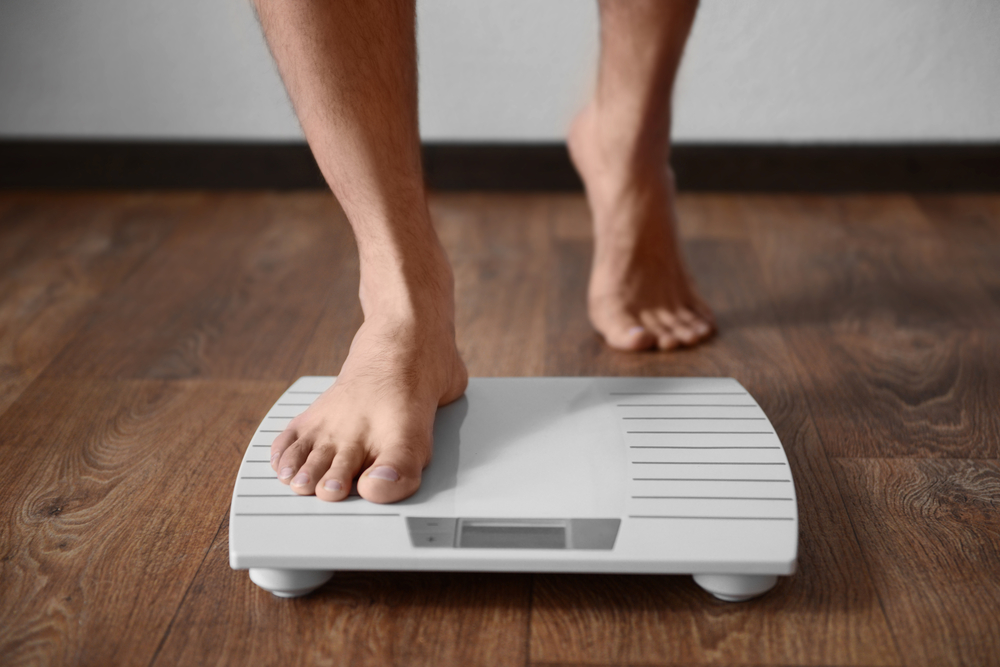
People often think they’ll lose weight on a gluten-free diet, but the opposite can happen.
Also read: These Common Mistakes Make You Dehydrated in the Summer Heat
Many gluten-free processed foods are calorie-dense and high in fat, leading to unexpected weight gain.
Gluten-free doesn’t mean healthy

Gluten-free labels popped up in the U.S. in 2014, and suddenly products like water and potato chips bragged about being gluten-free.
This marketing twist made many believe gluten-free equals healthy, but it just means the absence of gluten.
Gluten is not the same as carbs
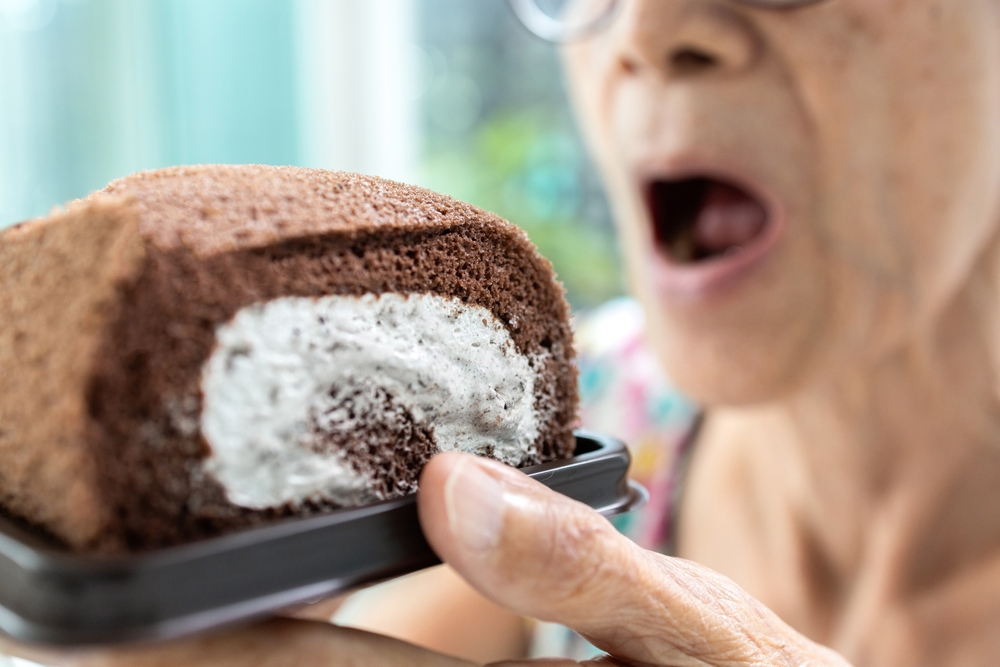
Many people mix up gluten with carbs. Gluten is a protein, not a carbohydrate. There are plenty of carb-heavy gluten-free foods - think gluten-free cakes, pasta, or cereal.
Also read: Why Your Pee Smells Weird: Surprising Reasons You Shouldn’t Ignore
Marketing and media fueled the gluten fear

Experts say the fear of gluten is more hype than fact, boosted by clever marketing and media trends.
Seeing random foods labeled gluten-free made people think gluten must be dangerous for everyone.
Talk to a doctor before going gluten-free

If you think gluten makes you sick, see a doctor before cutting it out.
Without proper testing, you might eliminate the wrong thing and miss out on nutrients that whole grains naturally provide.
Also read: Want to Prevent Dementia? Here Are 14 Things You Can Do Yourself
Artiklen er baseret på informationer fra National Geographic.
This article is made and published by Ida-Marie Palm Varbæk, who may have used AI in the preparation.