
Lithium is best known as a medication for treating bipolar disorder, but it also occurs naturally in food, water, and the environment.
Recent studies suggest that even trace amounts of lithium from our diet could play a crucial role in supporting brain health and overall well-being.
Here’s an overview of the main sources and effects.
Cereal grains and vegetables

Cereal grains and vegetables account for most of our daily lithium intake, up to 90 percent.
Also read: Do You Often Wake Up With a Puffy Face? Then You Should Avoid These Foods
Foods such as coriander leaves, tomatoes, garlic, nutmeg, and cumin can be particularly rich sources, while onions, rice, mushrooms, and wheat contain lower levels.
The role of drinking water

Lithium levels in drinking water vary widely depending on geography.
In Europe, levels are generally low, whereas regions like northern Chile and Argentina report concentrations exceeding 1,000 µg/L.
Even seawater and freshwater differ significantly, with seawater containing far higher amounts.
Also read: Simple Ways to Make Smart Choices that Make Your Canteen Meal Healthier
Fruits with lithium

Citrus fruits such as lemons, limes, and grapefruits contain measurable amounts of lithium.
Apples, bananas, and grapes also contribute to overall intake, making fruit another steady source of this trace element.
Nuts and seeds

Cashews and walnuts are particularly rich in lithium, but sunflower seeds, hazelnuts, and pine nuts also contain notable levels.
For people following plant-based diets, these foods can be especially important.
Also read: Always Need to Pee? Here’s What Your Body Could Be Warning You About
Meat and fish

Although animal products typically contain lower lithium concentrations than plants, measurable amounts are still present.
For example, one study from Iran reported canned tuna containing up to 39 µg/g, making it a significant animal source.
Lithium and the brain
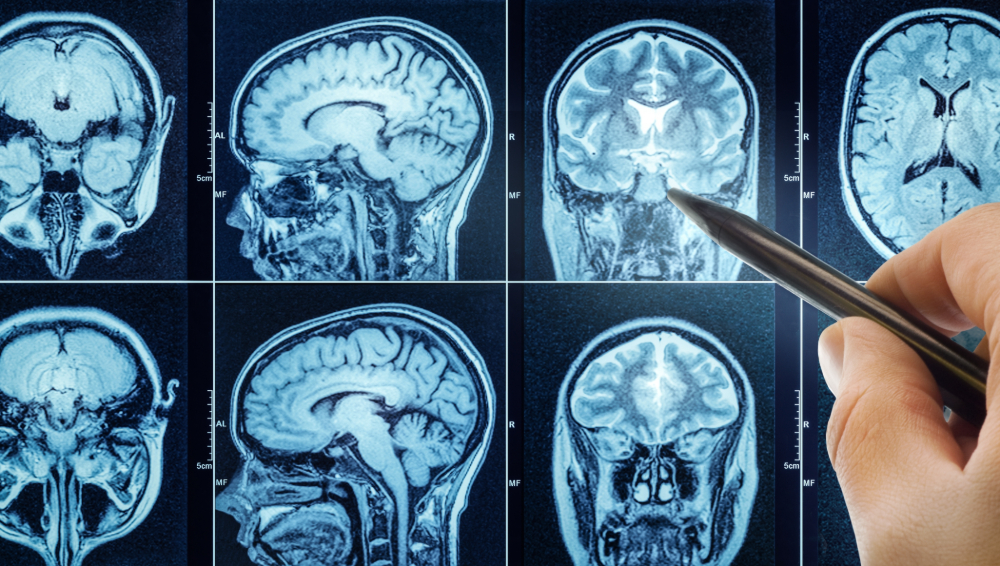
Research indicates that trace amounts of lithium may protect the brain.
This effect is linked to the mineral’s ability to influence neurotransmitters, inhibit certain enzymes, and increase brain-derived neurotrophic factor (BDNF), which is vital for brain plasticity and resilience.
Also read: 25 Common Supermarket Items Health Experts Say to Skip
Preventing Alzheimer’s and dementia

Studies show that lower lithium levels in the brain may be associated with a greater risk of cognitive decline and Alzheimer’s disease.
In animal studies, lithium supplementation helped prevent harmful protein buildup, nerve cell loss, and inflammation.
Lithium and metabolism

Lithium may also act as an “insulin-mimetic,” supporting better glucose and fat metabolism.
This link suggests that dietary lithium could help lower the risk of type 2 diabetes as well as metabolic-related cognitive disorders.
Also read: Scientists warn: These grocery items could be dangerous for your brain and health
Possible deficiency symptoms

Low dietary lithium has been linked to increased impulsivity, nervousness, and emotional instability.
These findings have sparked discussions about whether lithium should be officially recognized as an essential micronutrient.
Is more always better

While lithium appears to have health benefits in small amounts, scientists caution that the long-term effects of higher intake remain unclear.
A provisional daily dose of about 1,000 µg is currently suggested for a 70-kg adult, but further safety studies are needed.
This article is based on information from News-medical.net.
This article is made and published by Ida-Marie Palm Varbæk, who may have used AI in the preparation.