
It sounds simple: Don’t eat too much. But in reality, many of us eat larger portions than we think.
Here are some clear tips to help you easily manage portion sizes and keep your weight under control.
Use your fist as a guide

A serving of vegetables or fruit should be about the size of your closed fist. This makes it easier to estimate how much to eat without needing a measuring cup.
Pasta equals an ice cream scoop
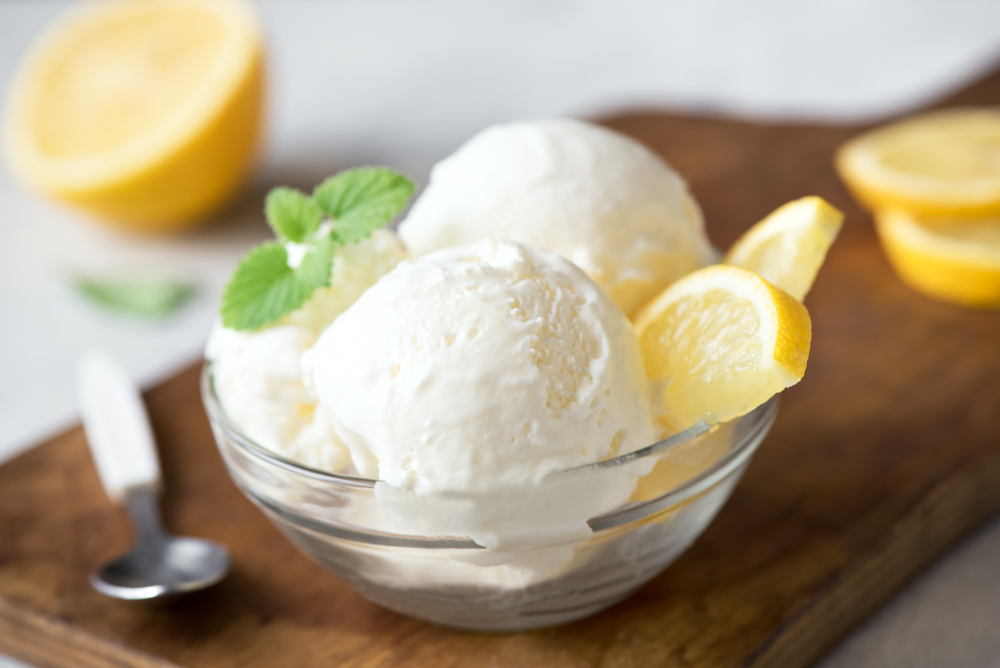
If you love pasta, remember: one proper serving is about the size of an ice cream scoop. This prevents you from filling your whole plate and accidentally overeating.
Also read: Not Everyone Craves Company — Especially These Zodiac Signs
Meat should be a deck of cards

When serving meat, fish, or poultry, think of a deck of cards or the size of your palm (minus fingers). That’s all you need to stay within your calorie budget.
Snacks in handfuls
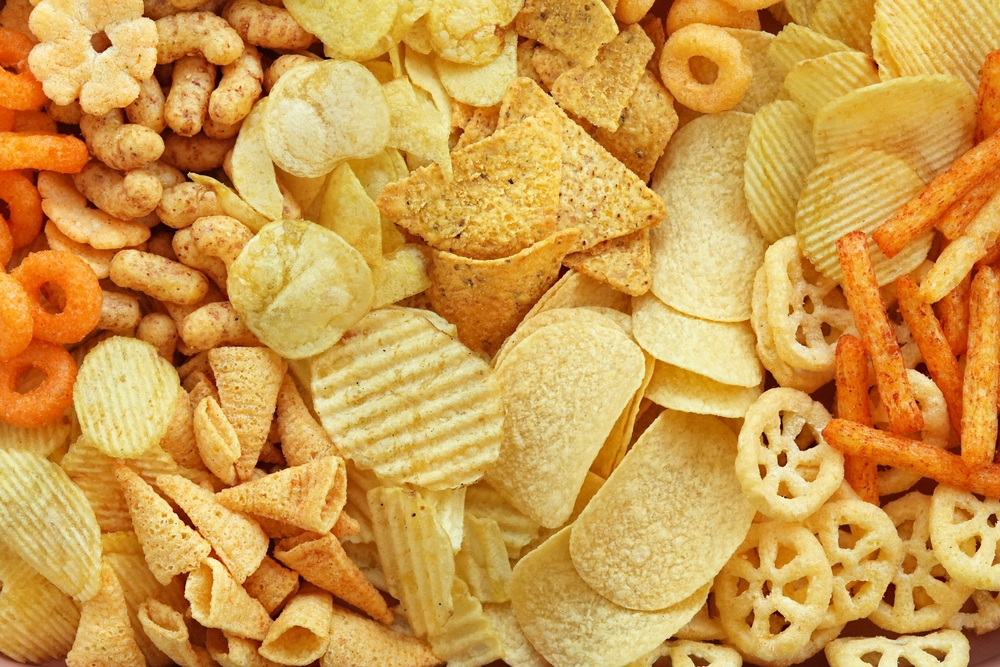
Snacks like chips or pretzels shouldn’t be eaten from the bag. A cupped handful is enough so you don’t get surprised by hidden calories.
Use everyday objects as a reference
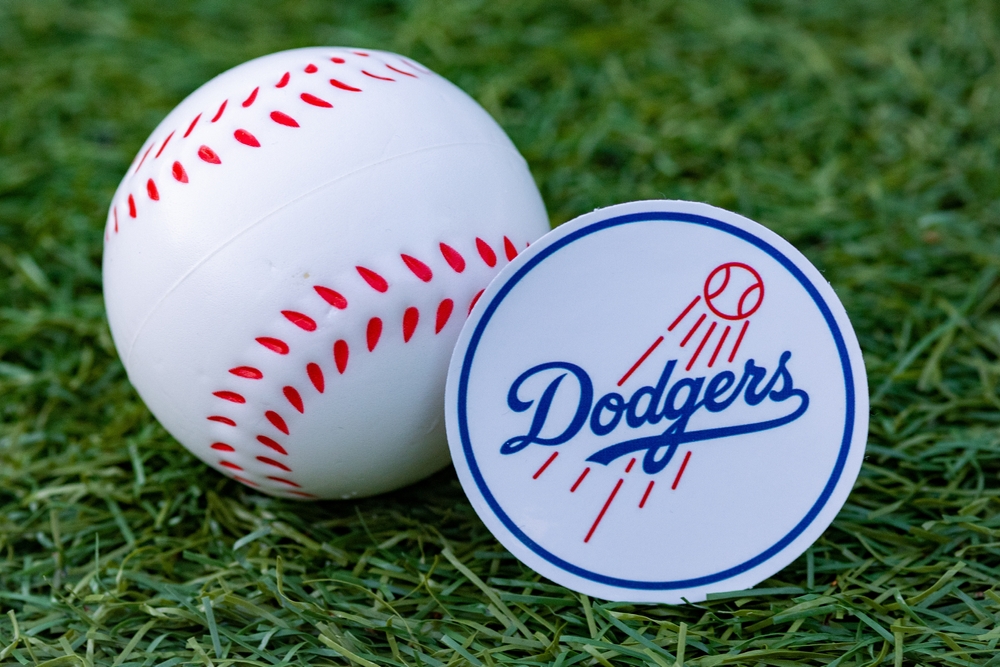
An apple should be about the size of a baseball, and a potato about the size of a computer mouse. These visual cues make portion control super easy.
Cheese should be thumb-sized
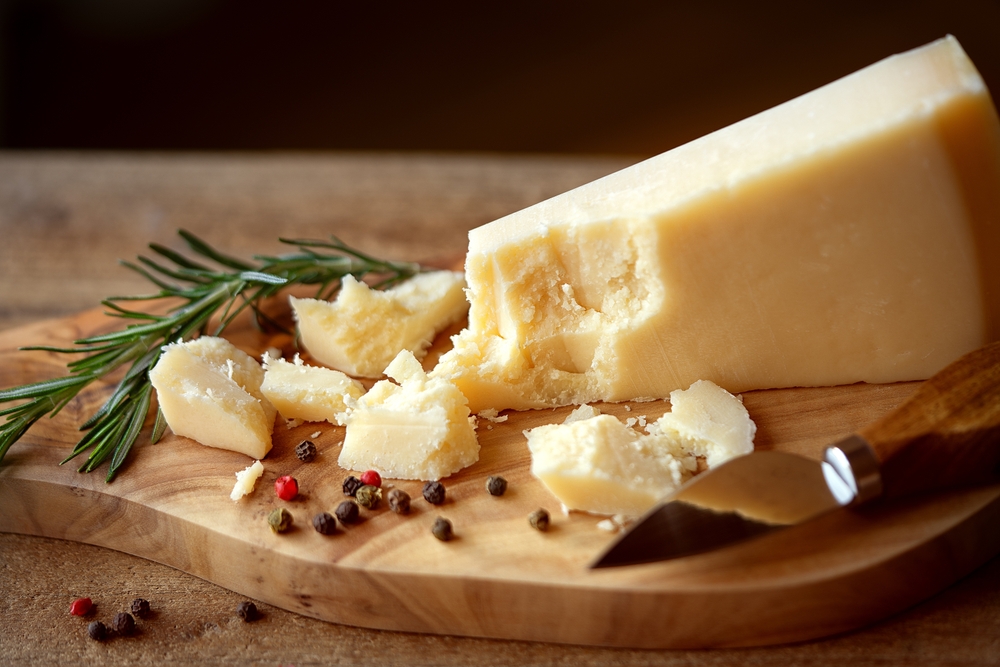
If you love to snack on cheese, keep in mind that one serving is about the size of your whole thumb or two dice. Small changes make a big difference.
Also read: Theese Foods Is Loaded With Microplastics
Measure rice with a cupcake liner
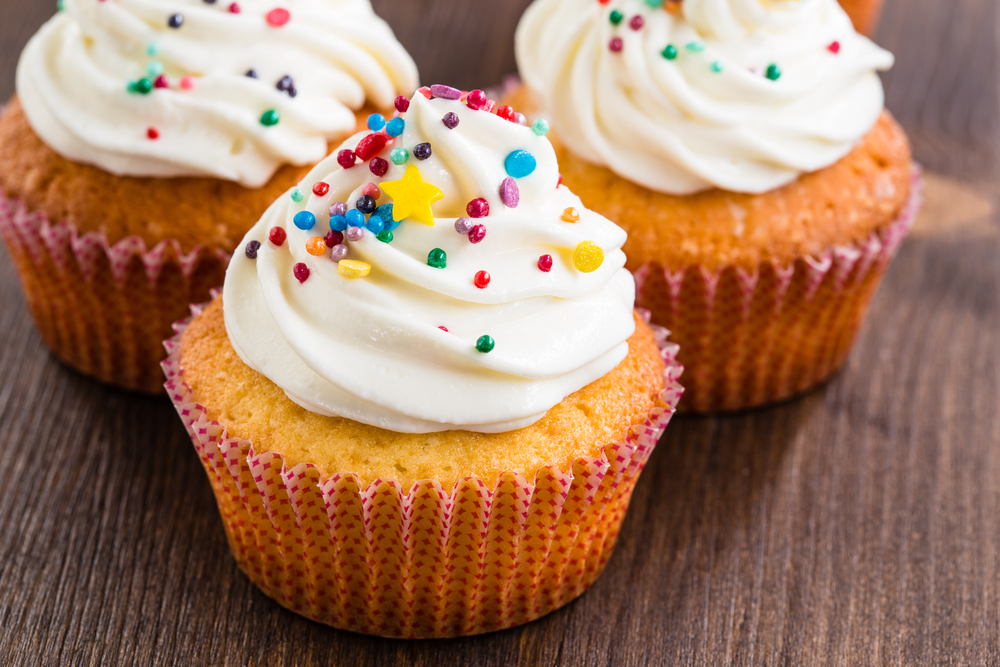
When serving steamed rice, think of a cupcake liner – that’s about one portion. It helps you keep carbs in check.
Use smaller plates at home
At home, you can automatically reduce portions by using smaller plates. It tricks your brain into thinking you’re eating more than you are.
Divide leftovers right away
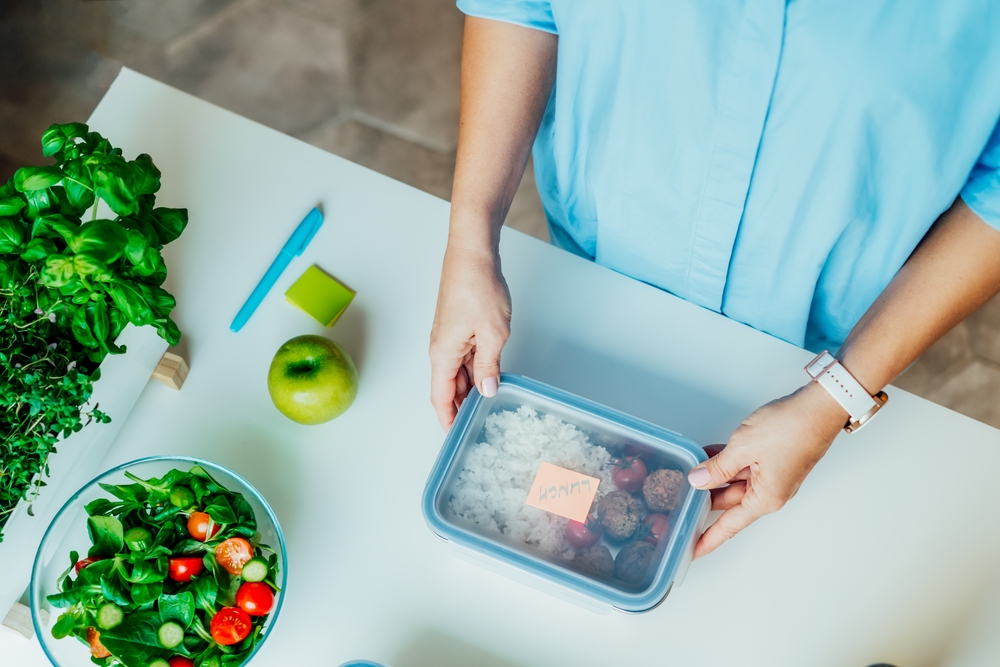
After cooking, divide food into smaller containers with the right serving sizes. Freeze extras so you won’t be tempted to grab seconds.
Watch out for mini snacks at the store

Mini snacks like tiny crackers or cookies seem harmless but make you eat more than planned. Choose foods pre-packaged in single servings instead.
Also read: Delicious Foods that Can Damage Your Kidney for Life
This article is based on information from WebMD.com.
Also read: This Is Why You Should Eat Watermelon Every Day
This article is made and published by Ida-Marie Palm Varbæk, who may have used AI in the preparation.