
Alzheimer’s has long been one of medicine’s greatest mysteries — and one of the most devastating diagnoses. But now, researchers may have uncovered a surprising new way to treat it using drugs we already know.
Two Cancer Medications Show Unexpected Benefits

Researchers from the Gladstone Institutes and University of California found that two well-known drugs — letrozole and irinotecan — may actually reverse Alzheimer’s-related damage.
The Clue Was Hidden in Patient Data

By analyzing health records of 1.4 million people over 65, scientists noticed that some cancer patients on these drugs had lower rates of Alzheimer’s diagnosis.
Memory Restoration Seen in Mice
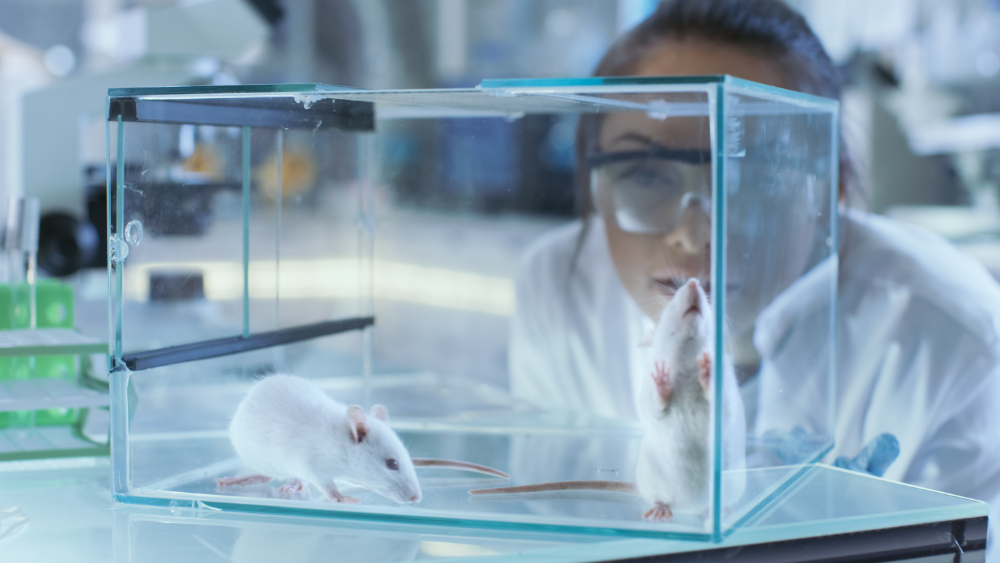
In experiments on mice with Alzheimer’s-like symptoms, the drug combination not only improved brain function — it also restored memory abilities.
Also read: New Research Links This Bedtime Habit to Better Behavior in Children
Damage in the Brain Was Reversed
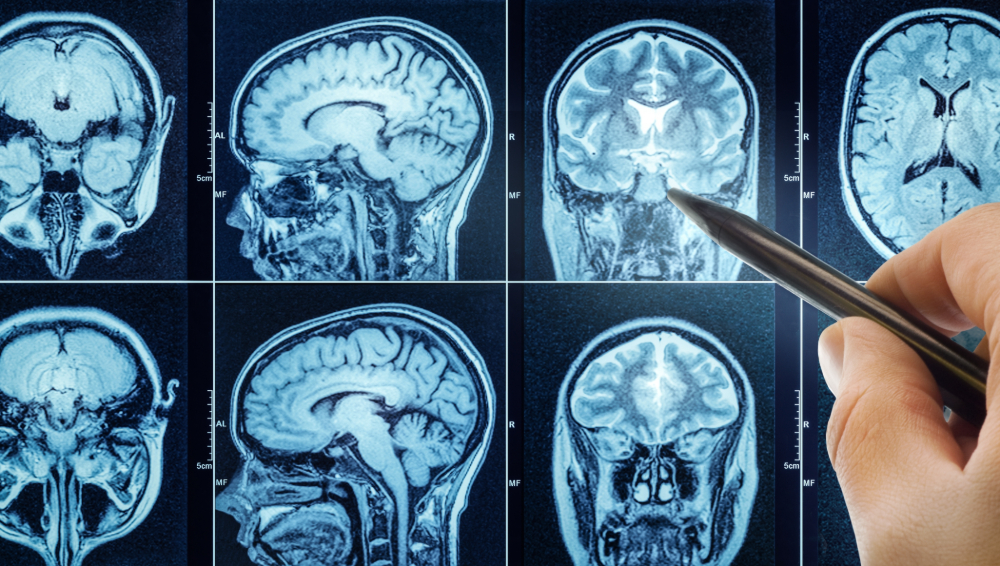
Scans showed that key neurological changes linked to Alzheimer’s were corrected after treatment, suggesting the brain was regaining balance.
Known Drugs, New Purpose

Because these medications are already approved for other uses, researchers believe the path to Alzheimer’s treatment could be significantly accelerated.
Alzheimer’s Cases Are Rapidly Increasing

According to the WHO, 6–7 million new Alzheimer’s cases are diagnosed every year — creating urgent demand for new treatment options.
Researchers Target Brain Network Dysfunction

Rather than focusing only on plaques, the study highlights the importance of correcting how brain cells communicate in Alzheimer’s patients.
Also read: Smaller Plates, Slimmer Waist: Easy Ways to Control Your Portions
Human Trials May Be Coming Soon

After success in animal models, scientists hope to begin testing this drug combo in humans to see if the same benefits can be replicated.
A Possible Shift in Alzheimer’s Treatment

This could signal a move away from traditional drug development toward repurposing existing therapies with faster rollout potential.
A Ray of Hope for Millions of Families

If the results hold up in people, this discovery could redefine how we treat Alzheimer’s — and give families the hope they’ve been waiting for.
This article is based on information from Illustreret Videnskab
Also read: Not Everyone Craves Company — Especially These Zodiac Signs
Also read: Theese Foods Is Loaded With Microplastics
This article is made and published by Mie Hermansen, who may have used AI in the preparation.