
What if protecting your brain didn’t require medication or supplements — just smarter choices in the kitchen? A major new study suggests a specific eating pattern could help reduce the risk of dementia, and it’s surprisingly easy to follow.
Certain Diets Linked to Lower Dementia Risk

Researchers at Yonsei University College of Medicine in South Korea found that specific eating habits were associated with a significantly lower chance of developing dementia over time.
The MIND Diet Showed the Biggest Impact

Among four diets studied, the MIND diet stood out. It combines elements of the Mediterranean diet and a blood pressure-lowering eating plan, and was linked to a 27% lower risk of developing dementia.
The Mediterranean Diet Came in Close
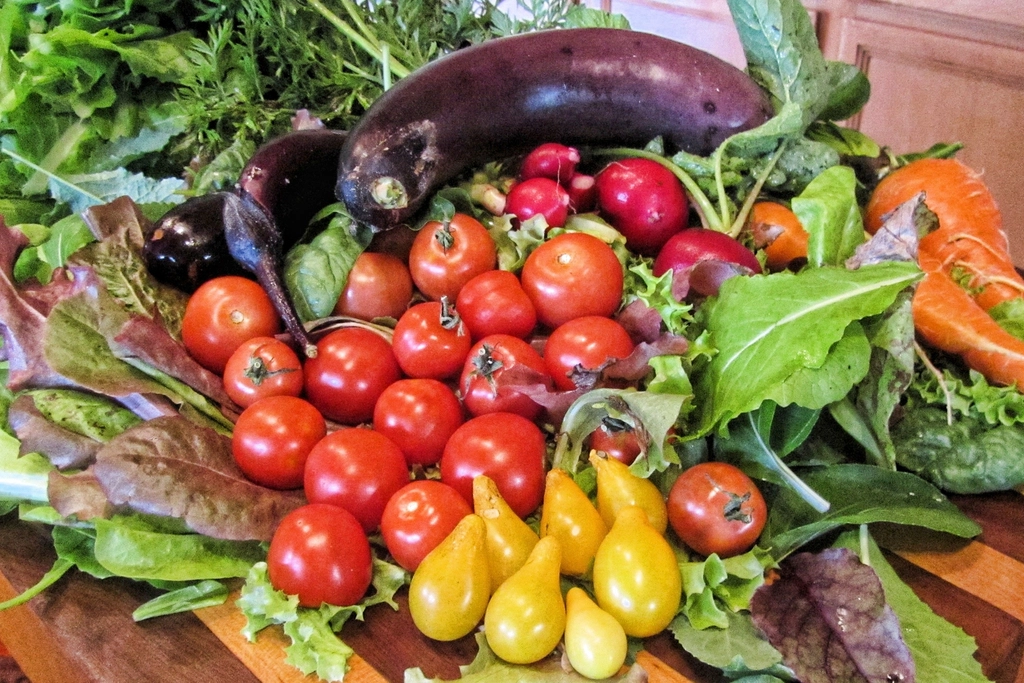
The classic Mediterranean diet also showed impressive results, reducing dementia risk by 21%. It includes lots of vegetables, fish, legumes, nuts, and healthy oils like olive oil.
Also read: These Common Medications May Reverse Alzheimer’s Symptoms
The Study Followed Over 130,000 People

More than 131,000 adults were tracked over a 13-year period. The data provided strong evidence that long-term eating habits are closely tied to brain health.
You Already Have the Right Ingredients
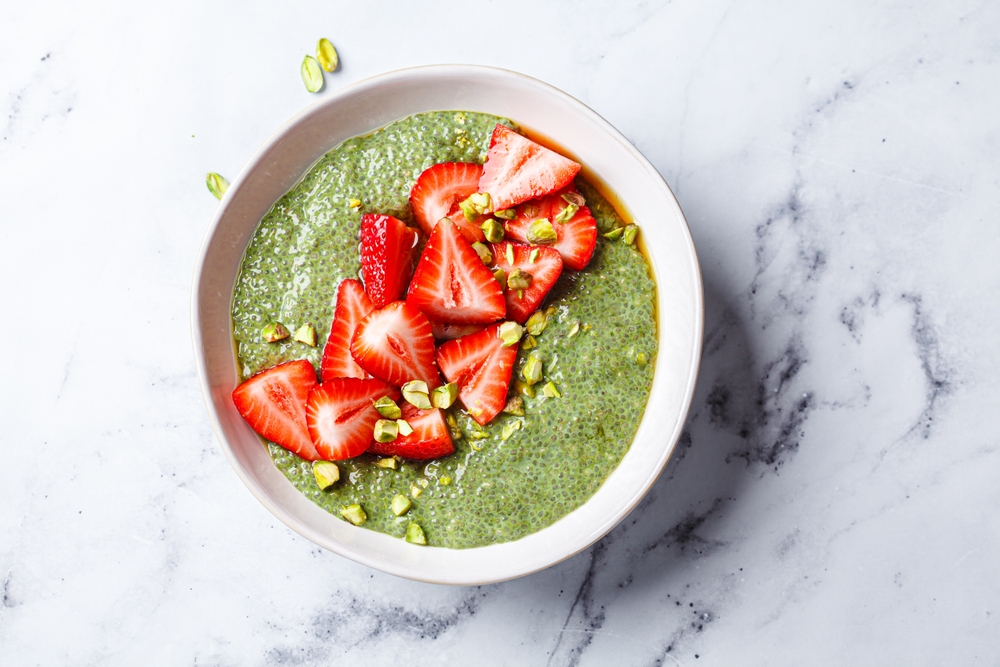
The MIND diet focuses on familiar foods like leafy greens, berries, nuts, beans, poultry, and fish. You don’t need expensive supplements — just a better grocery list.
It’s Also About What You Avoid

Limiting butter, fried foods, cheese, and processed snacks is just as important. These items have been linked to poorer brain function over time.
It’s Never Too Late to Start

Even participants who adopted the diet later in life saw benefits. Small changes now could mean a healthier brain years from now.
Also read: New Research Links This Bedtime Habit to Better Behavior in Children
Alzheimer’s Develops Long Before Symptoms

The disease can begin quietly, years before memory loss appears. That’s why prevention — especially through diet — is essential.
Backed by Additional Research

The study’s findings align with other recent research, including a 2025 paper in Current Developments in Nutrition, which also linked the MIND diet to reduced dementia risk.
Small Changes Make a Big Difference

You don’t need a total lifestyle overhaul. Start by swapping butter for olive oil or adding berries to your breakfast — your brain may thank you later.
This article is based on information from Illustreret Videnskab
Also read: Smaller Plates, Slimmer Waist: Easy Ways to Control Your Portions
Also read: Not Everyone Craves Company — Especially These Zodiac Signs
This article is made and published by Mie Hermansen, who may have used AI in the preparation.