
When the sun is out and temperatures rise, most people enjoy spending time outdoors.
But did you know that some common medications can make your skin more sensitive to sunlight, and in some cases, trigger severe reactions?
Here are some types of medication to be cautious about when spending time in the sun.
Antibiotics

Certain antibiotics, especially fluoroquinolones like ciprofloxacin and levofloxacin, are known to cause phototoxic reactions.
Also read: The 13 Most Common Cancers You Need to Know About
This means your skin may react as if it's suffering from an intense sunburn, redness, blistering and burning, even after brief sun exposure.
Antidepressants
Medications such as duloxetine, fluoxetine, sertraline and amitriptyline can make the skin more vulnerable to UV rays.
Reactions may include itching, rashes or even swelling, especially with prolonged sun exposure.
Painkillers and anti-inflammatories
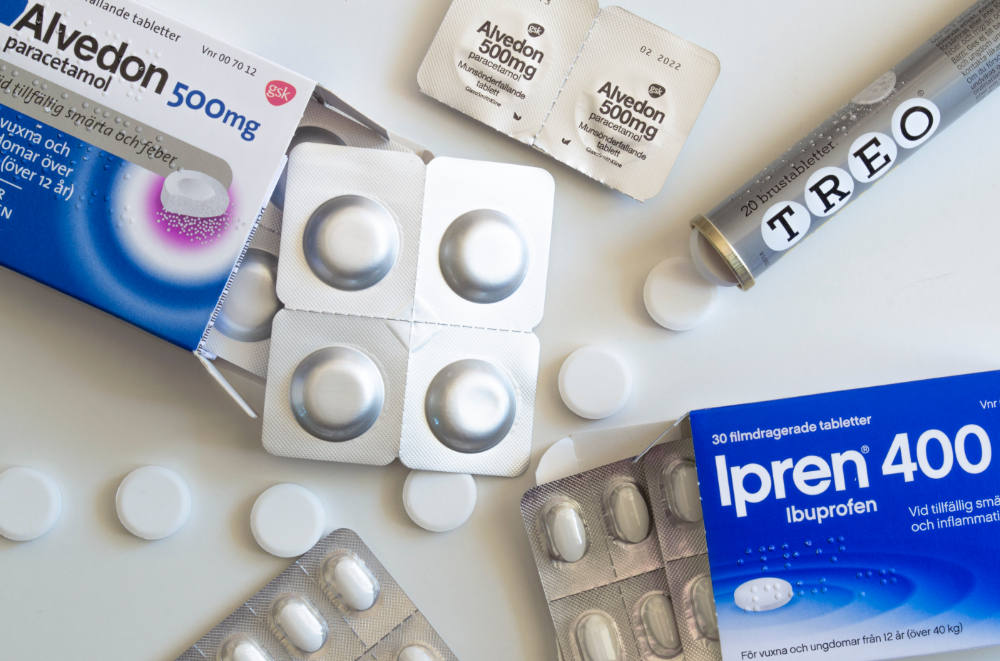
Ibuprofen and diclofenac, whether taken orally or applied as creams and gels, can trigger phototoxic reactions.
Also read: How to Spot Multiple Sclerosis Symptoms at Home
Many users are unaware that even topical forms of these drugs can lead to adverse effects in sunlight.
Common allergy medications

Antihistamines like loratadine, cetirizine and ebastine, often used for allergies or hay fever, can also cause sun-related skin reactions.
This also applies to topical treatments like diphenhydramine, frequently used for mosquito bites.
Blood pressure meds

Several blood pressure medications, including ACE inhibitors like enalapril and ramipril, as well as angiotensin II receptor blockers like losartan and valsartan, can make the skin extra sensitive to the sun, potentially resulting in eczema-like rashes.
Also read: New Research Shows That 22 of These Nuts a Day Could Change Your Health
Antipsychotics
Drugs like olanzapine and aripiprazole, used to treat mental health conditions, may cause photoreactions in sensitive individuals, particularly after prolonged sun exposure.
Acne and skincare treatments
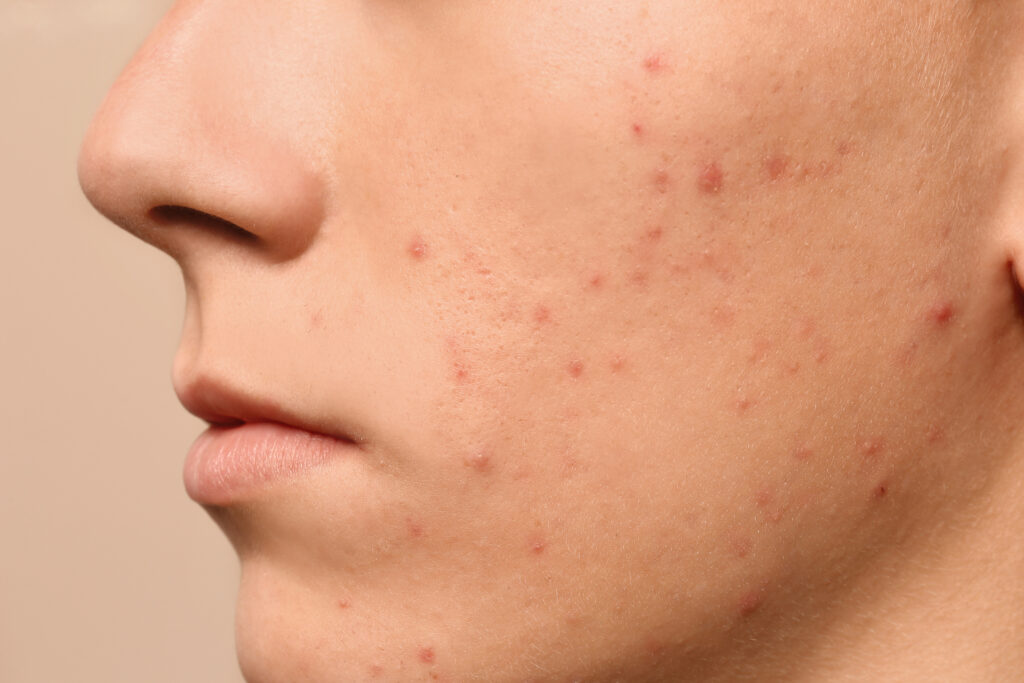
Products containing isotretinoin or retinoic acid (retinoids), used for acne and anti-aging, significantly increase skin’s sensitivity to UV light.
These should only be applied at night, and direct sun exposure should be avoided after use.
Cholesterol-lowering drugs
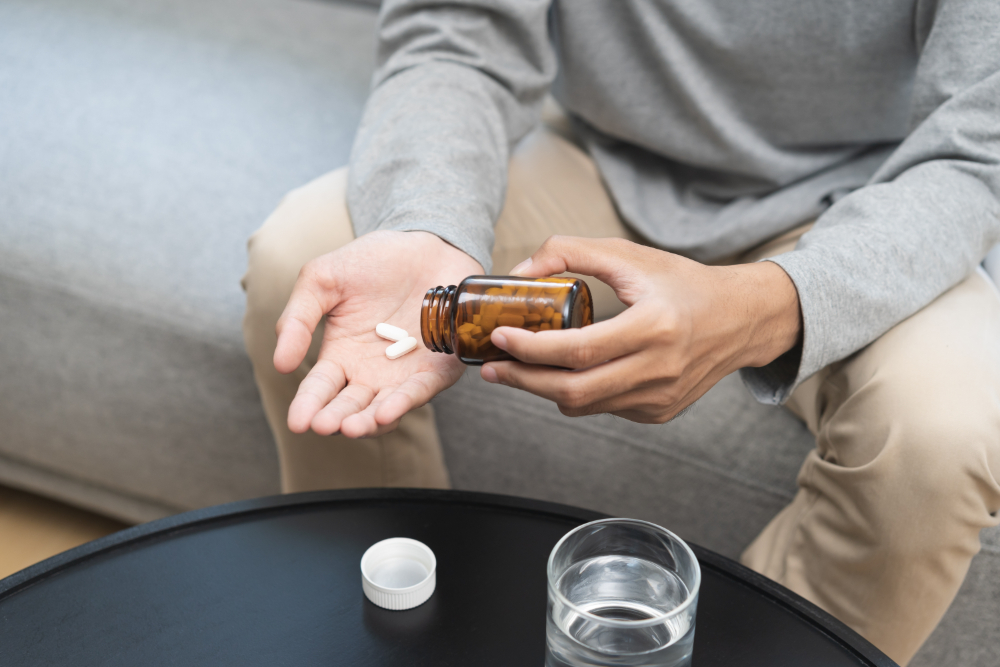
Statins like atorvastatin and simvastatin, commonly prescribed to lower cholesterol, have also been linked to photosensitivity.
Also read: How to Boost Your Endorphins Every Day Without Working Out
In rare cases, users may develop skin reactions after sunbathing.
Diuretics
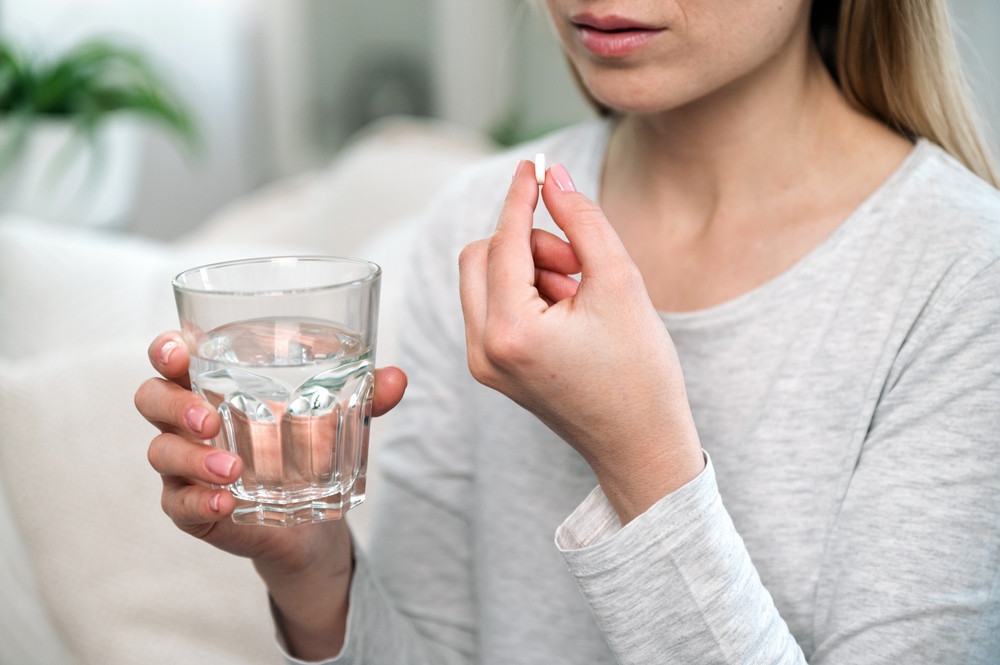
Water pills such as furosemide and hydrochlorothiazide are often used for high blood pressure or heart conditions.
These drugs can cause phototoxic reactions, particularly in fair-skinned individuals.
Cosmetic products
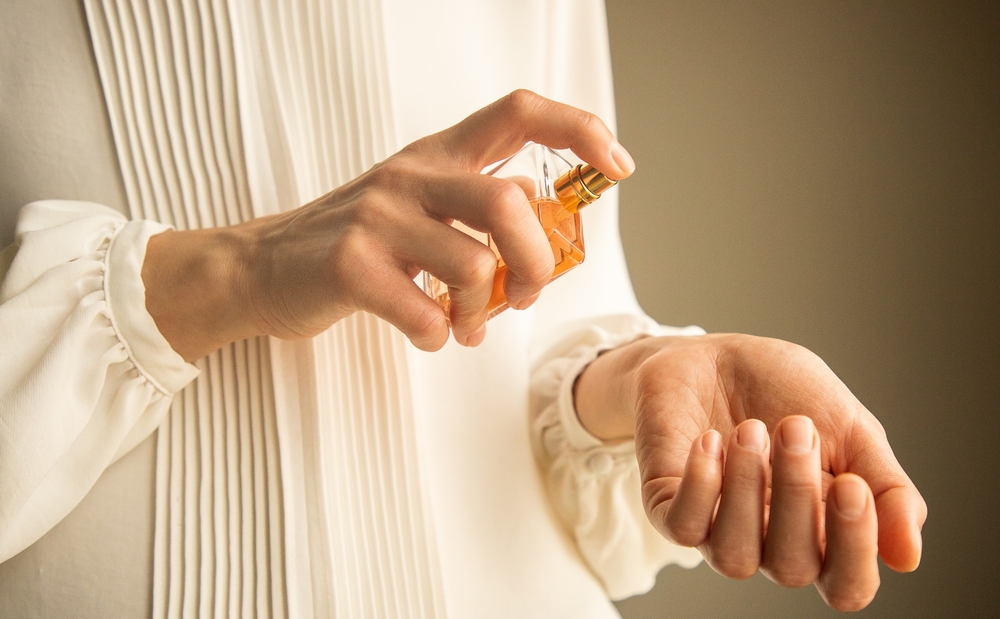
Some cosmetics, especially those with perfumes, lemon or lavender oils, or ingredients like retinol and glycolic acid, can cause photoallergic reactions.
Also read: Dentists Reveal: How to Take Good Care of Your Teeth
It’s best to use them at night and pair them with high SPF protection during the day.
This article is based on information from El Confidencial.
This article is made and published by Ida-Marie Palm Varbæk, who may have used AI in the preparation.