
Spices are not only flavor enhancers—they can also play a powerful role in reducing inflammation in the body. Modern research confirms that several common spices contain active compounds that help calm chronic inflammation linked to arthritis, heart disease, and more. Here are 10 of the most effective spices to know.
Turmeric
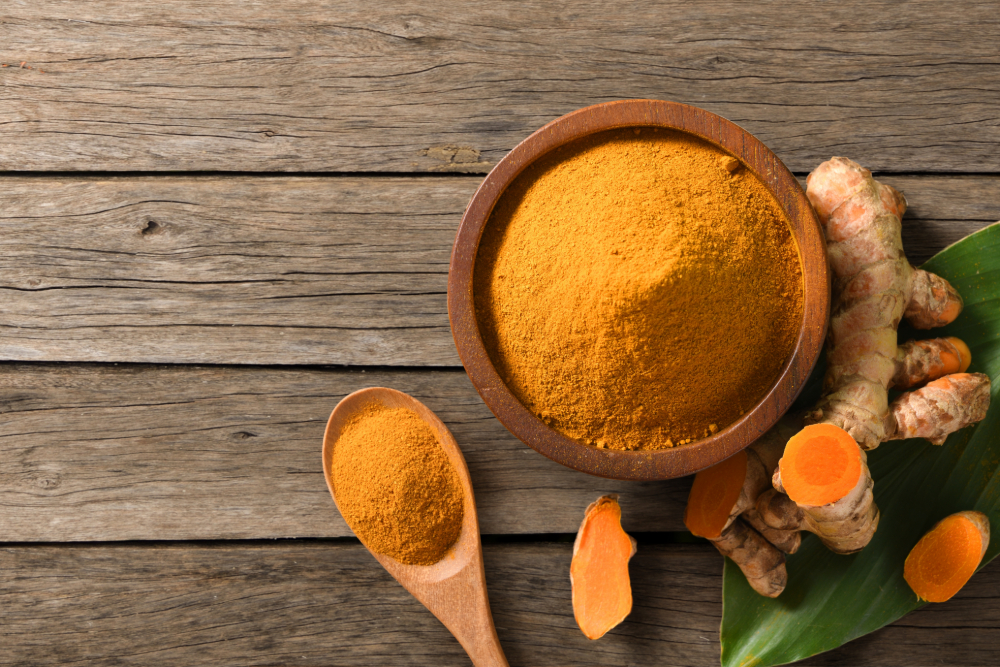
Known as the “golden spice,” turmeric’s curcumin compound has been shown in clinical studies to lower key inflammation markers and ease joint pain.
Ginger
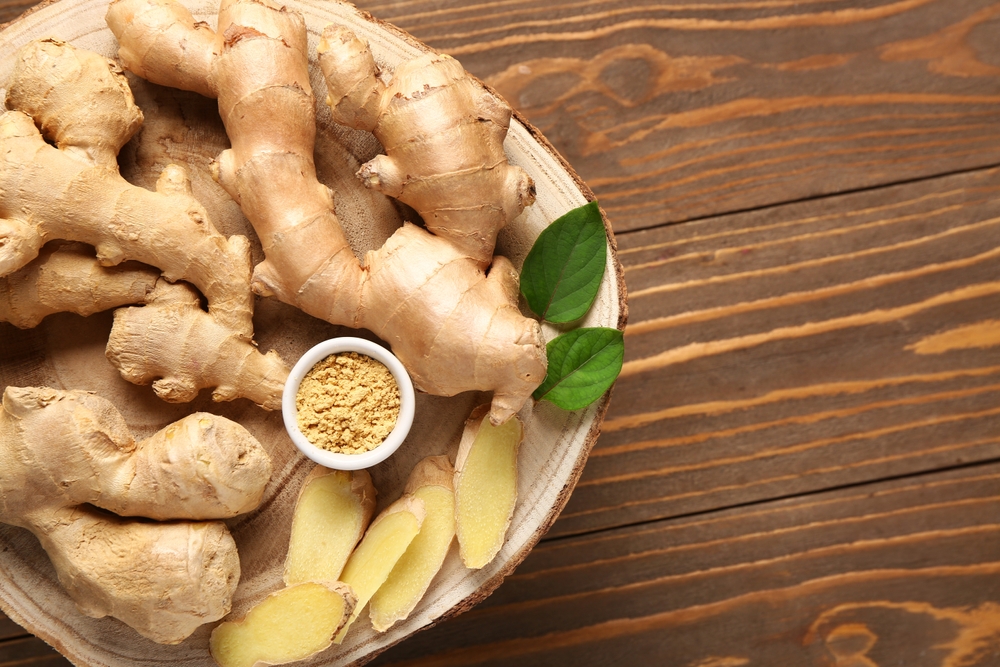
Ginger’s gingerols and shogaols reduce pro-inflammatory cytokines and can help ease arthritis pain and muscle soreness after exercise.
Cinnamon
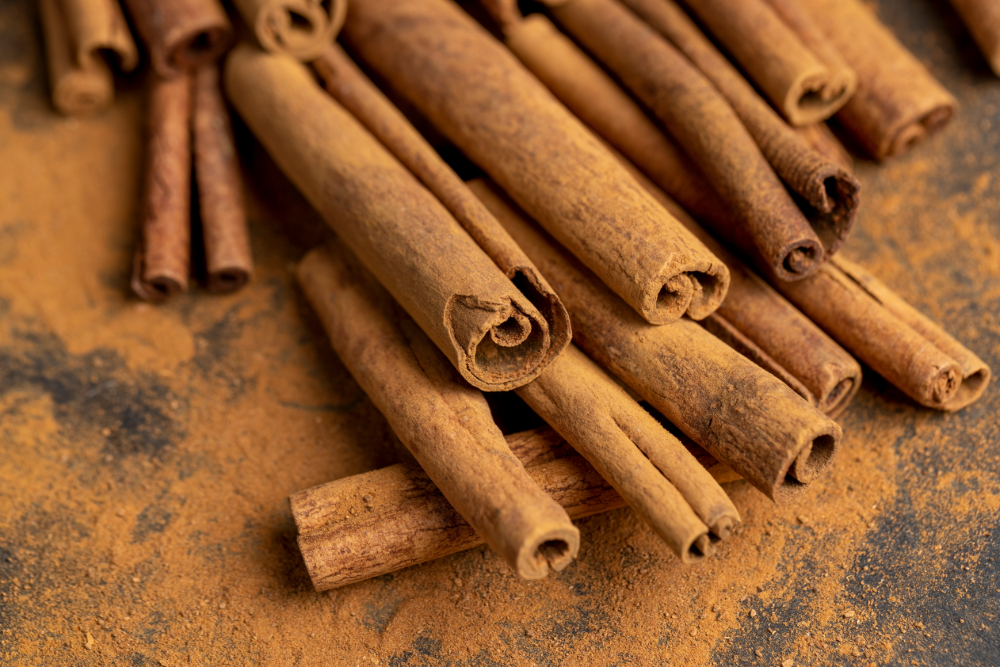
With active compounds like cinnamaldehyde, cinnamon helps block inflammatory signals and may also improve blood sugar regulation.
Also read: Harvard researcher reveals: Three simple daily habits can protect your brain from Alzheimer’s
Cloves
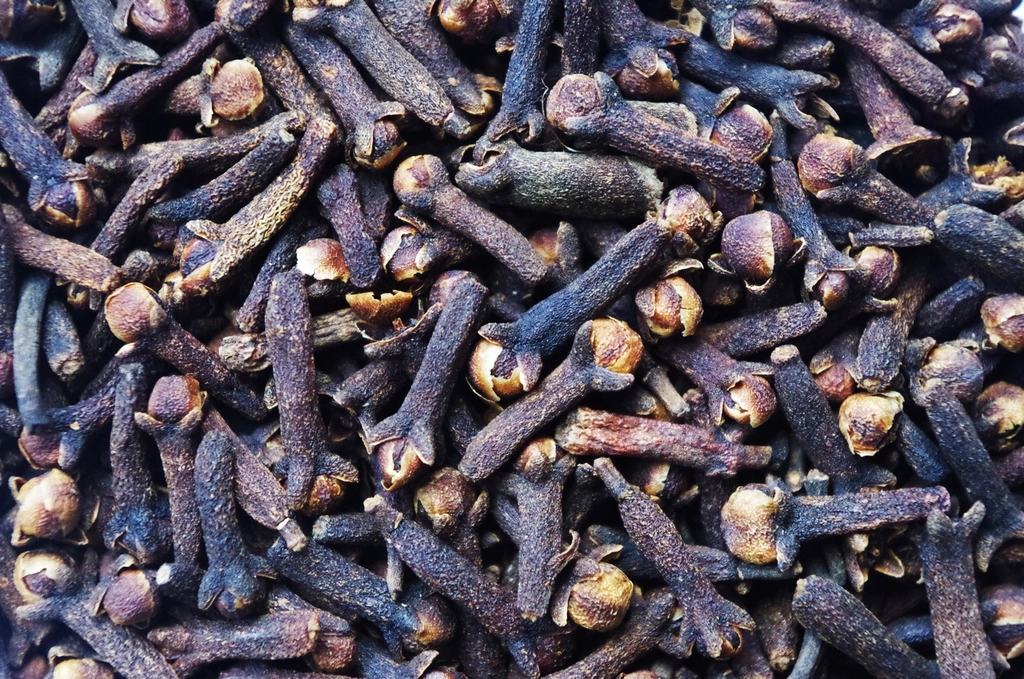
Rich in eugenol, cloves have been found to reduce oxidative stress and block enzymes linked to inflammation, making them a potent option.
Garlic
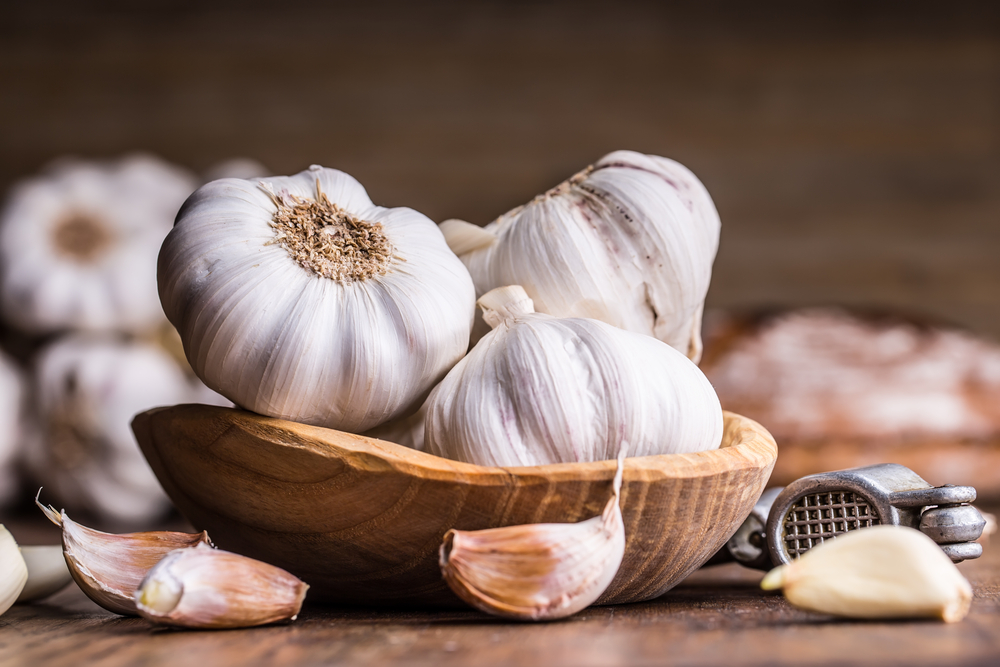
Garlic’s sulfur compounds, including allicin, lower markers of inflammation and support joint, heart, and immune health.
Black pepper
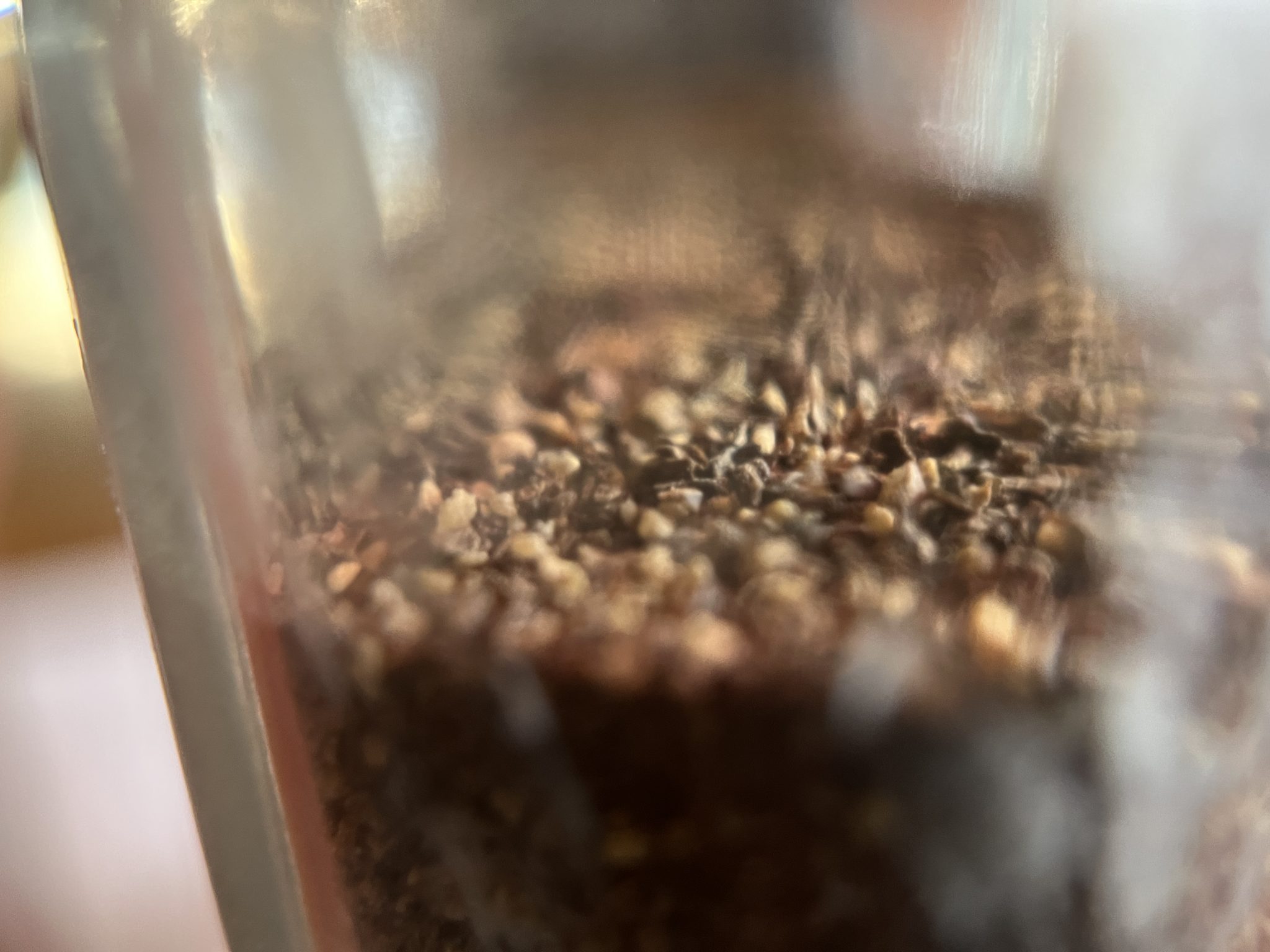
Piperine in black pepper both blocks inflammatory pathways and boosts the absorption of curcumin, making it a powerful companion to turmeric.
Rosemary
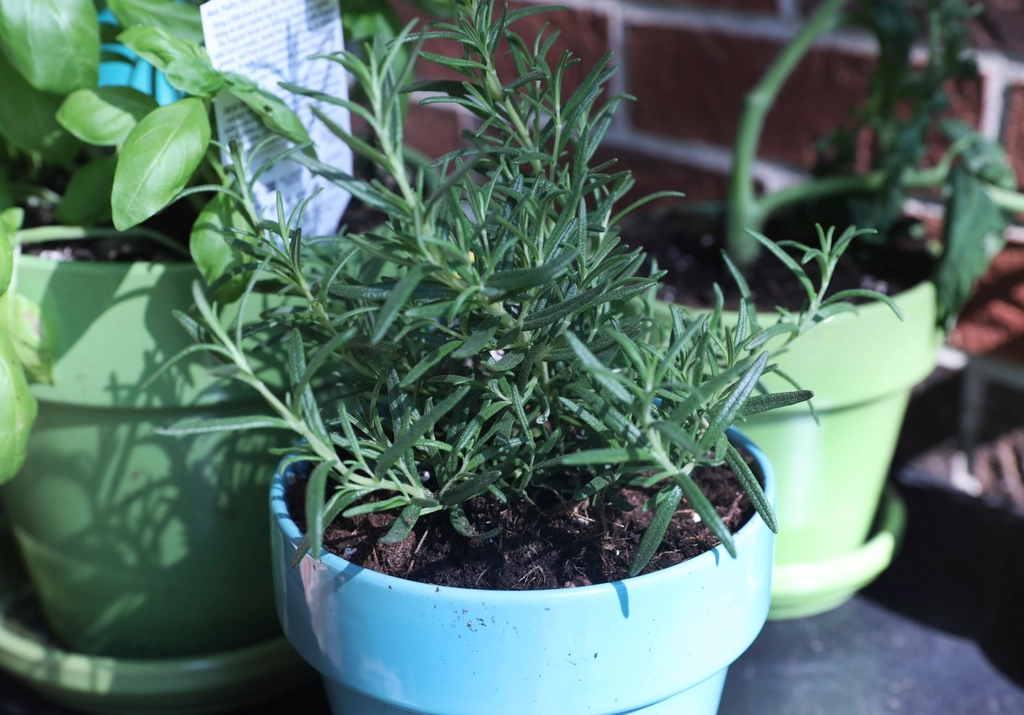
Rosmarinic acid, found in rosemary, has antioxidant and anti-inflammatory effects and is linked to improved joint and brain health.
Also read: New study reveals: Heatwaves can speed up your ageing process
Cardamom
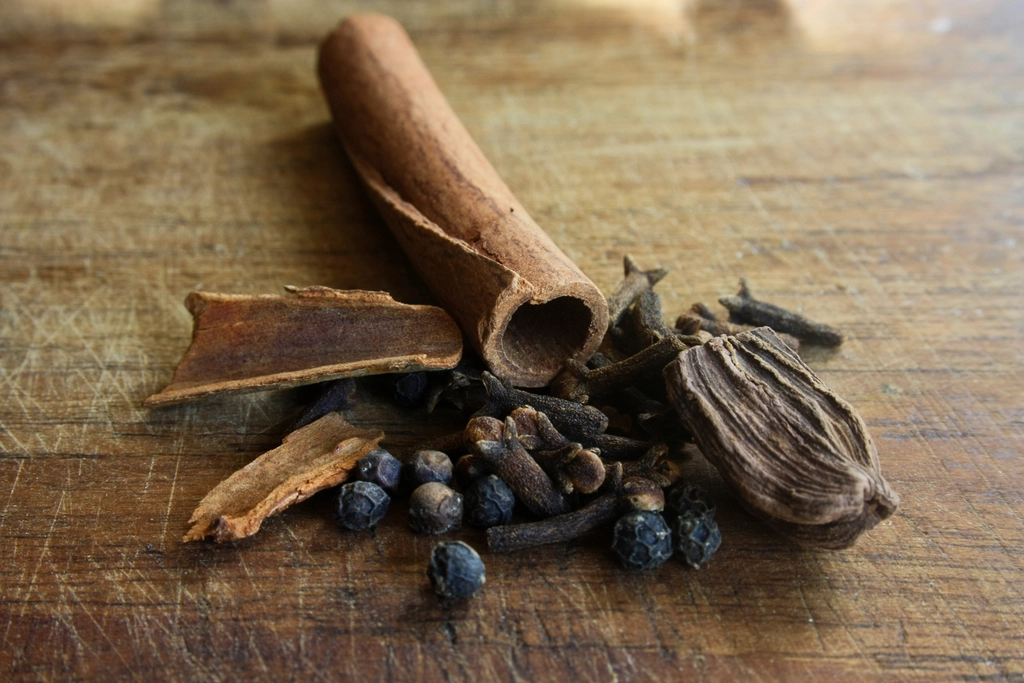
Cardamom extracts have been shown to reduce inflammatory proteins and may also help with blood pressure and metabolic health.
Cayenne pepper
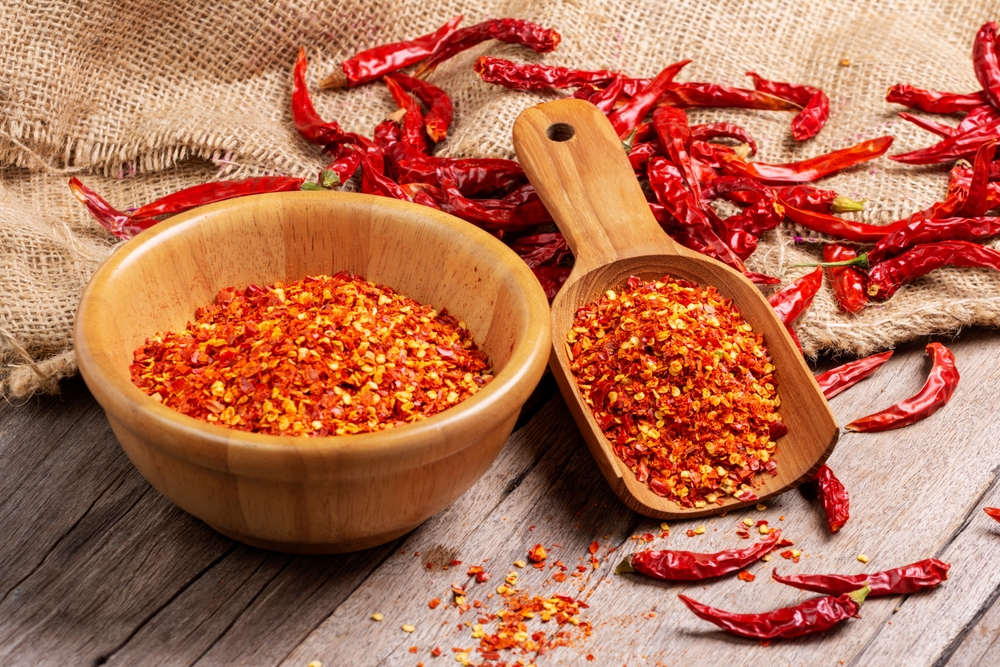
Capsaicin, the compound that brings heat, also reduces inflammatory signaling and may help ease nerve pain and improve circulation.
Nutmeg

Studies suggest nutmeg can decrease inflammatory markers and oxidative stress, supporting both joint comfort and digestive health.
Artiklen er baseret på informationer fra 247-Foodrecipes
Also read: Optimism Could Extend Your Life by 15% – Here’s How to Train Your Brain
Also read: These Symptoms Could Mean You're Low on Magnesium
This article is made and published by Mie Hermansen, who may have used AI in the preparation.