
Hot, sweaty shoes and damp floors are the perfect breeding ground for athlete’s foot. But luckily, there are simple ways to both prevent and treat it. Here are the best tips.
Wash your feet every day
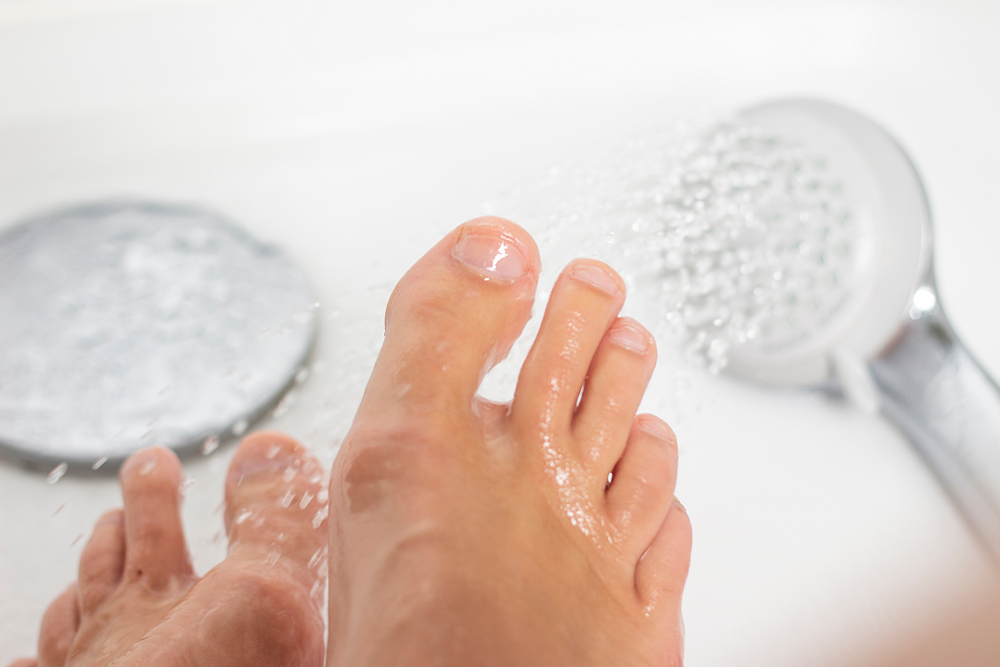
Daily washing helps remove sweat, bacteria, and fungal spores.
Use warm water and soap, and give your feet some extra care, especially during the warmer months when fungi thrive.
Dry your feet thoroughly
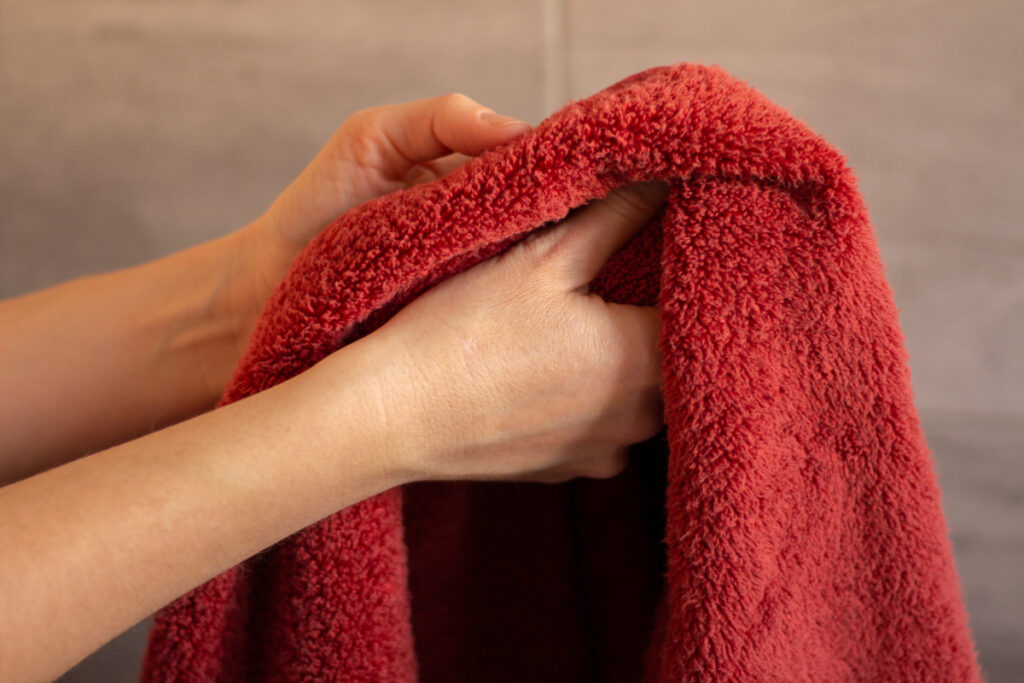
Moisture between your toes creates an ideal environment for fungus. Always dry your feet carefully after bathing, especially between the toes.
Also read: How to Get Your Child to Listen – Without Yelling or Fighting
You can even use a hairdryer on low heat to make sure they're completely dry.
Wear socks made of cotton or wool
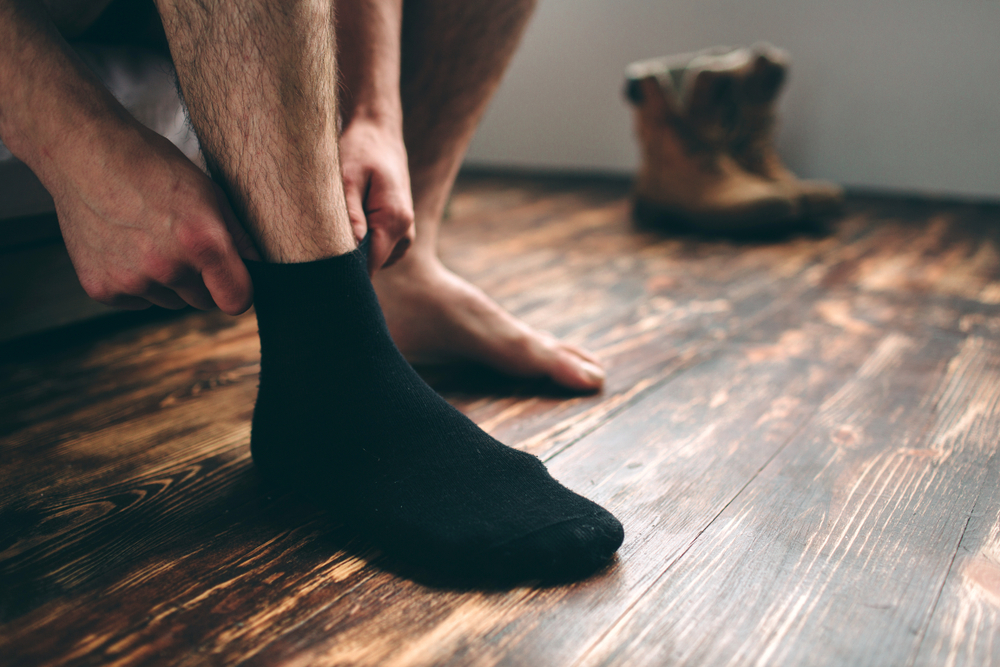
Synthetic materials trap heat and moisture. Choose socks made of natural fibers like cotton or wool, which allow your feet to breathe and help wick moisture away from the skin.
Change socks multiple times a day
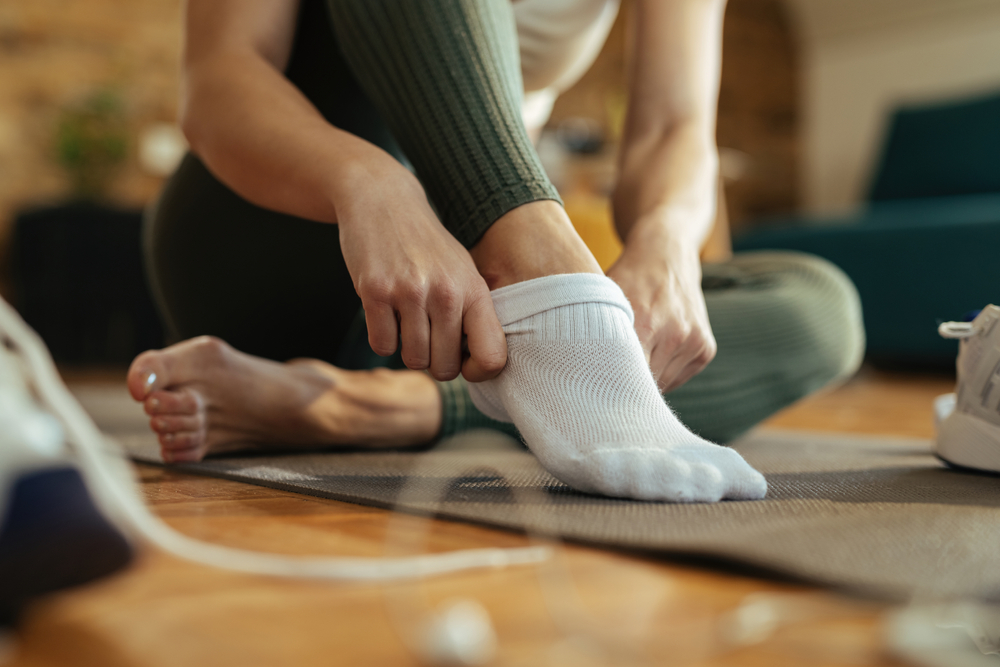
If your feet get sweaty during the day, change your socks immediately.
Clean, dry socks significantly reduce the risk of developing athlete’s foot, especially if you have an active lifestyle.
Also read: Tired All the Time? These Foods Might Be Missing From Your Diet
Avoid tight or synthetic shoes
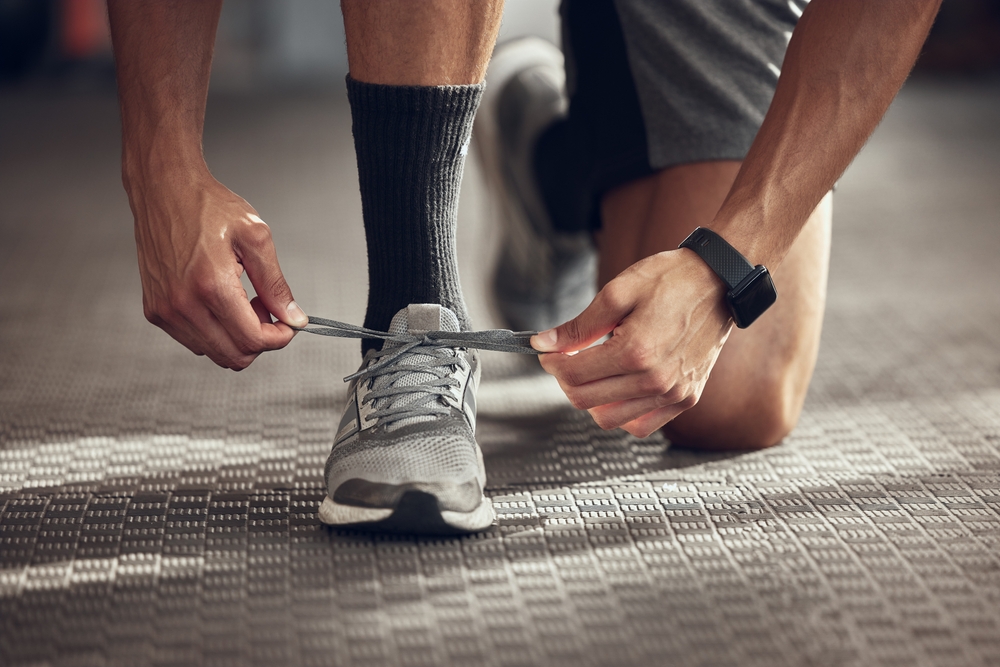
Shoes made of synthetic materials trap heat and moisture.
Opt for breathable shoes made of leather or fabric, and wear sandals whenever possible to give your feet air and light.
Use antifungal powder or talcum powder
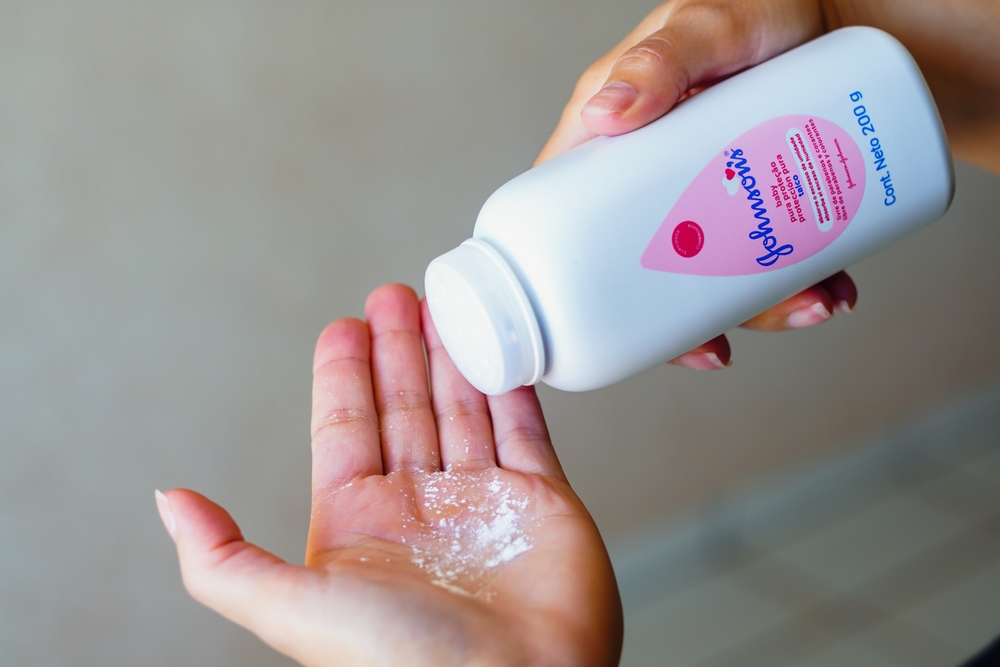
If you have to wear tight shoes, sprinkle some talcum powder with antifungal properties inside them.
This helps keep moisture at bay and creates an environment where fungi can’t thrive.
Also read: Scientists Discover Everyday Food Combo that May Slow Alzheimer’s
Don’t go barefoot in public showers or pools
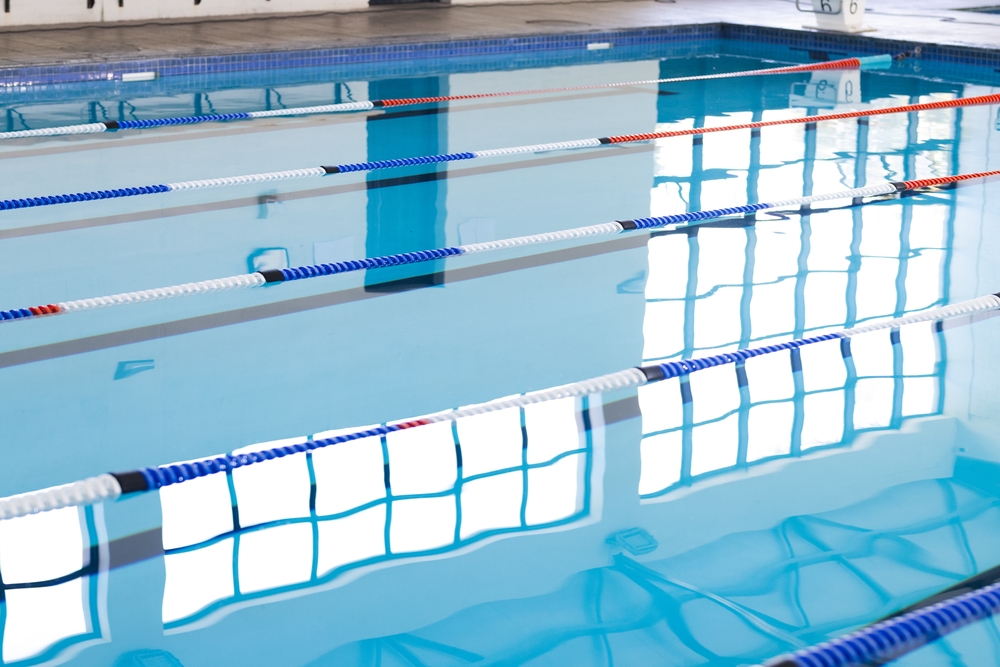
Athlete’s foot spreads easily in damp places like locker rooms and swimming pools. Always wear flip-flops or shower shoes when walking on wet public surfaces.
Treat existing infections with antifungal creams
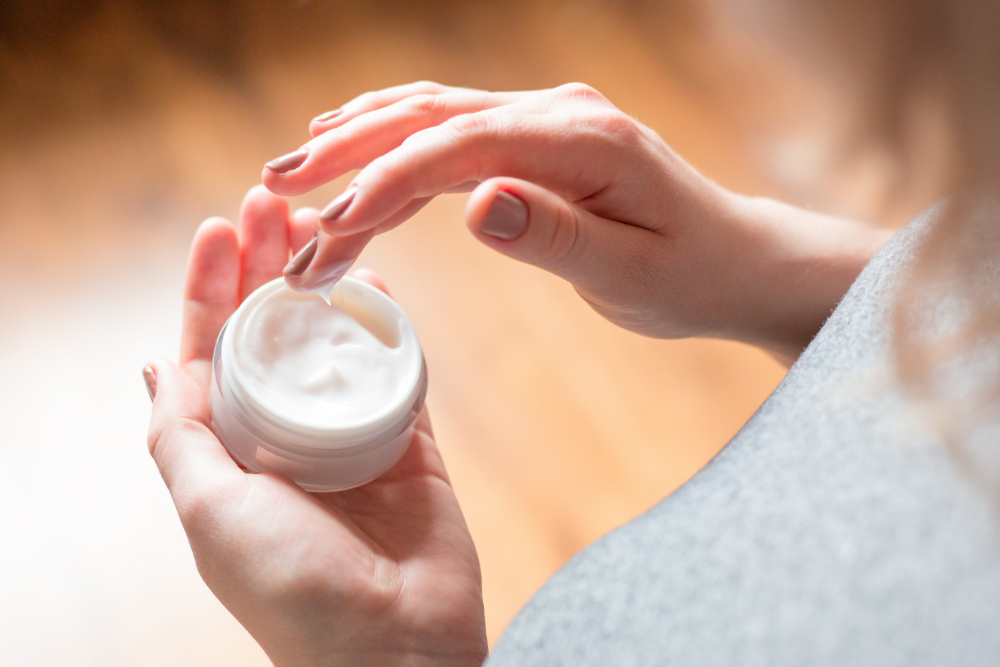
If you already have athlete’s foot, it’s important to treat it.
Over-the-counter antifungal creams or sprays are often effective. In more severe cases, oral antifungal tablets may be necessary.
Let your feet breathe
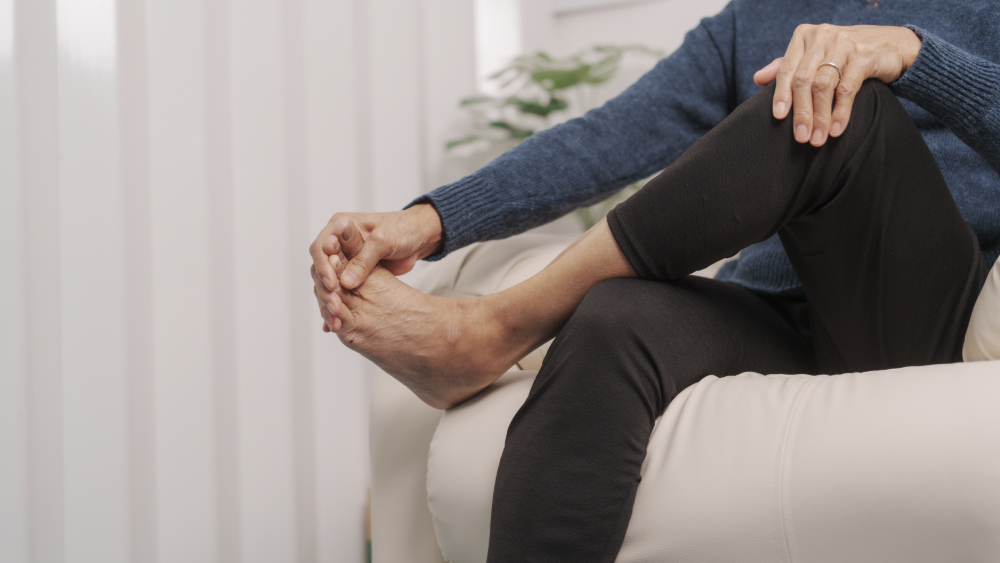
Sometimes, simply letting your feet get some air can help.
Also read: These 5 simple home tests reveal how well your body is ageing
Walk barefoot at home when possible to keep the skin dry and exposed to fresh air, which slows down fungal growth.
Don’t share towels or shoes
Athlete’s foot is highly contagious and can spread through contact.
Avoid sharing towels, socks, or shoes, and wash your own items frequently at high temperatures to kill fungal spores.
This article is based on information from Netdoktor.dk.
Also read: Get Healthy and Strong During Menopause with These Exercises
This article is made and published by Ida-Marie Palm Varbæk, who may have used AI in the preparation.