
Scientists are warning that poor oral hygiene isn’t just about cavities, it may be directly linked to the development of Alzheimer’s disease.
Chronic gum disease fuels dangerous inflammation
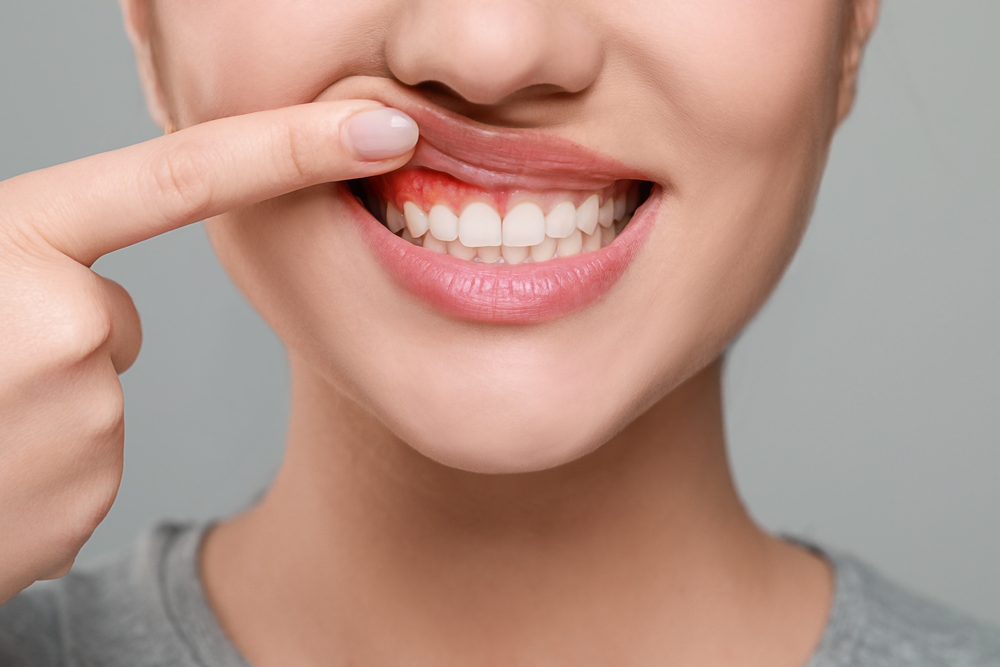
Periodontitis, commonly known as gum disease, isn’t just a problem inside your mouth.
The chronic inflammation can spread throughout the body, leading to systemic inflammation that strains the immune system and increases the risk of brain diseases like Alzheimer's.
Oral bacteria can reach your brain
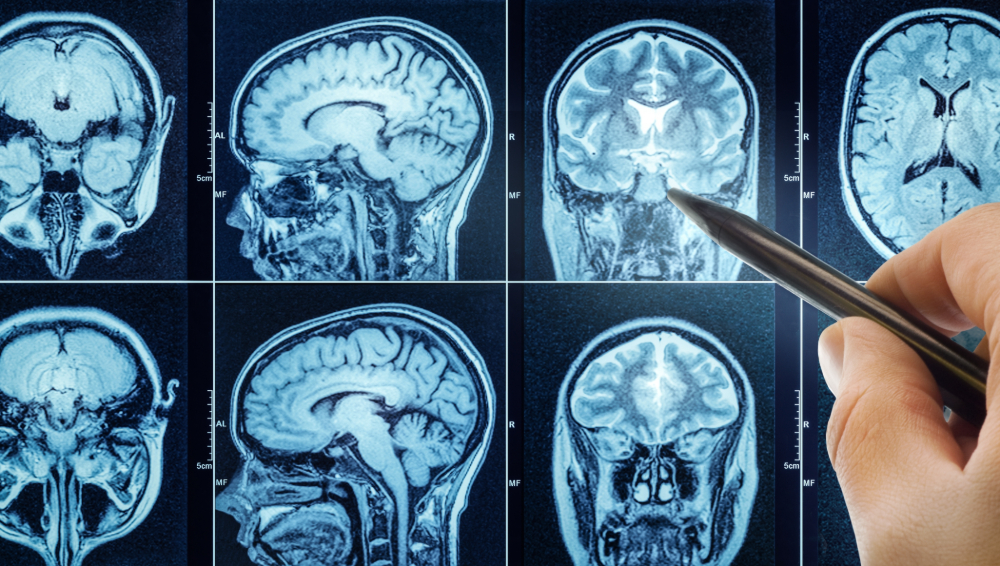
Harmful bacteria from gum infections, especially Porphyromonas gingivalis, can cross the blood–brain barrier and directly impact brain tissue.
Also read: How to Properly Take Your Vitamins and Supplements
This may lead to inflammation in the brain and accelerate Alzheimer’s development.
Gum inflammation activates the brain’s immune system

Toxins and lipopolysaccharides (LPS) from oral bacteria can activate microglia which is the brain's resident immune cells.
Overactivation of these cells leads to chronic neuroinflammation that damages neurons and impairs brain function.
Toxins from mouth bacteria increase amyloid-beta buildup

Gingipains, enzymes produced by P. gingivalis, stimulate the production of amyloid-beta, the protein that accumulates into plaques in the brains of Alzheimer’s patients, contributing to the disease’s progression.
Also read: 13 things your farts could be telling you about your body
Bacteria may drive tau protein

Studies show that toxins from bacteria like Treponema denticola and Fusobacterium nucleatum can affect tau proteins in the brain, leading to the formation of neurofibrillary tangles, another hallmark of Alzheimer’s disease.
Double your risk of developing Alzheimer’s

Epidemiological studies reveal that people with chronic periodontitis may have up to twice the risk of developing Alzheimer’s, even when controlling for lifestyle factors and other health conditions.
Mouth infections worsen brain damage
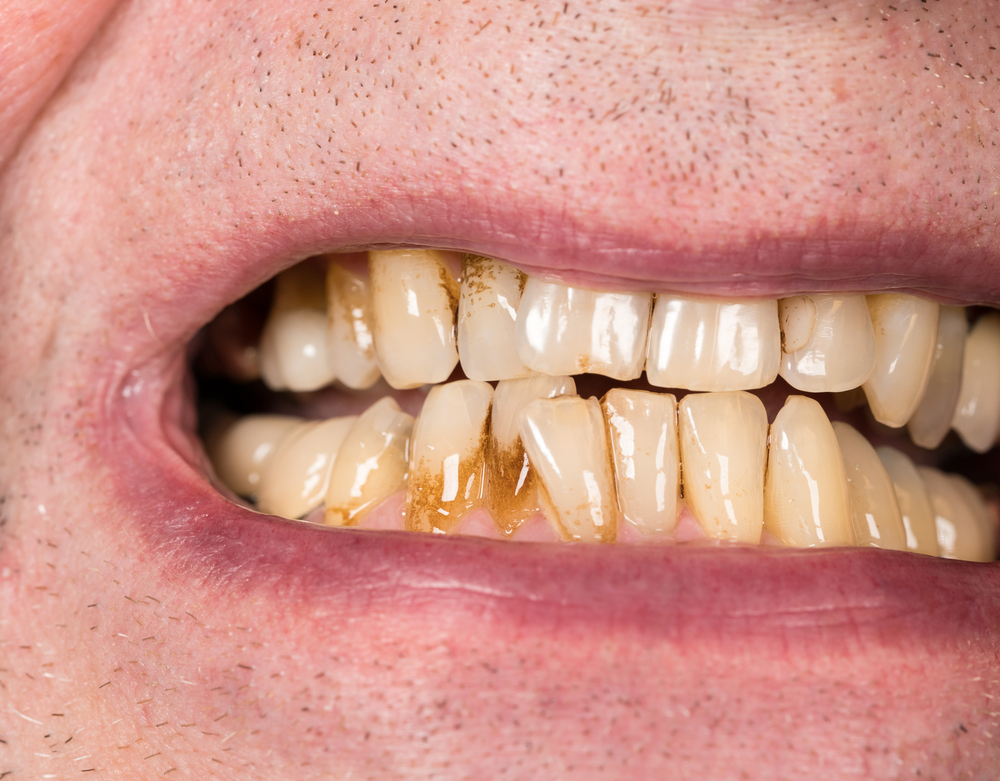
Experimental studies on animals show that infection with P. gingivalis leads to increased amyloid-beta production and hippocampal neurotoxicity, directly linking oral infections to memory-related brain damage.
Simple dental hygiene routines may protect the brain
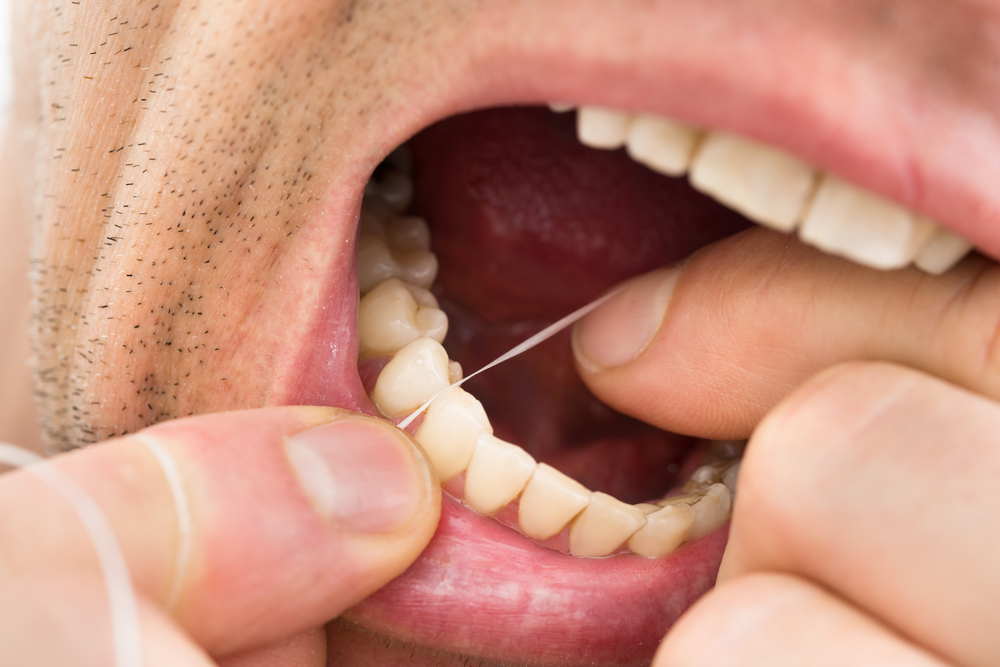
Brushing twice daily with fluoride toothpaste, flossing, and regular dental visits can help control plaque and reduce chronic inflammation.
Also read: Say Goodbye to Stomach Issues: Top Tips for Smooth Digestion
These small habits might play a big role in reducing dementia risk over time.
Dentists could play a key role in dementia prevention

Geriatric and neurology clinics are encouraged to assess patients' oral health, including checking for bleeding gums, tooth mobility, and history of tooth loss.
Timely referral to dental professionals could support cognitive health.
Future Alzheimer’s treatments

Researchers are developing new therapies such as gingipain inhibitors, oral probiotics, and immune-modulating treatments targeting harmful oral bacteria.
Also read: Save Money and Avoid Food Waste: How to Keep Your Fruits and Veggies Fresh
These may help treat both gum disease and brain inflammation.
This article is based on information from News Medical.
Also read: Simple ways to get more vitamin D without supplements
This article is made and published by Ida-Marie Palm Varbæk, who may have used AI in the preparation.